Last updated November 21, 2026
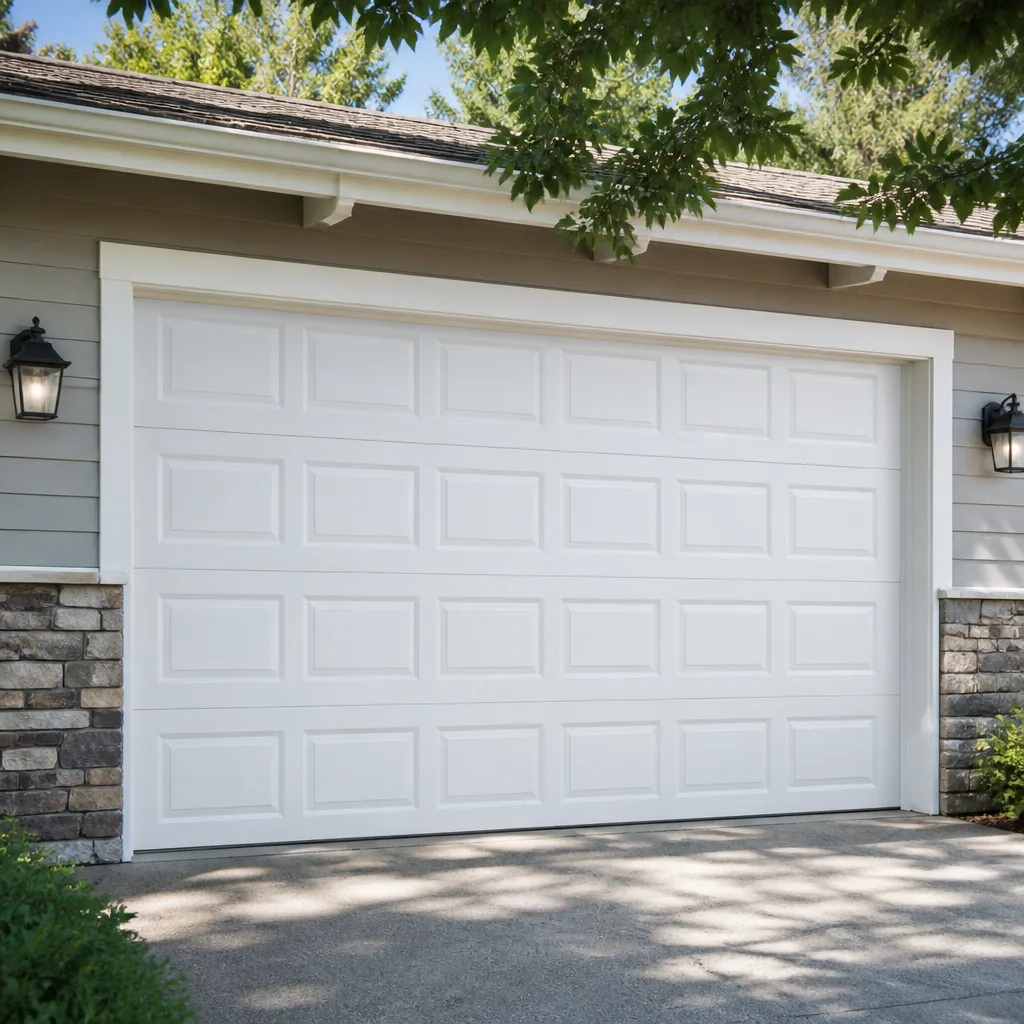 Raised-panel steel
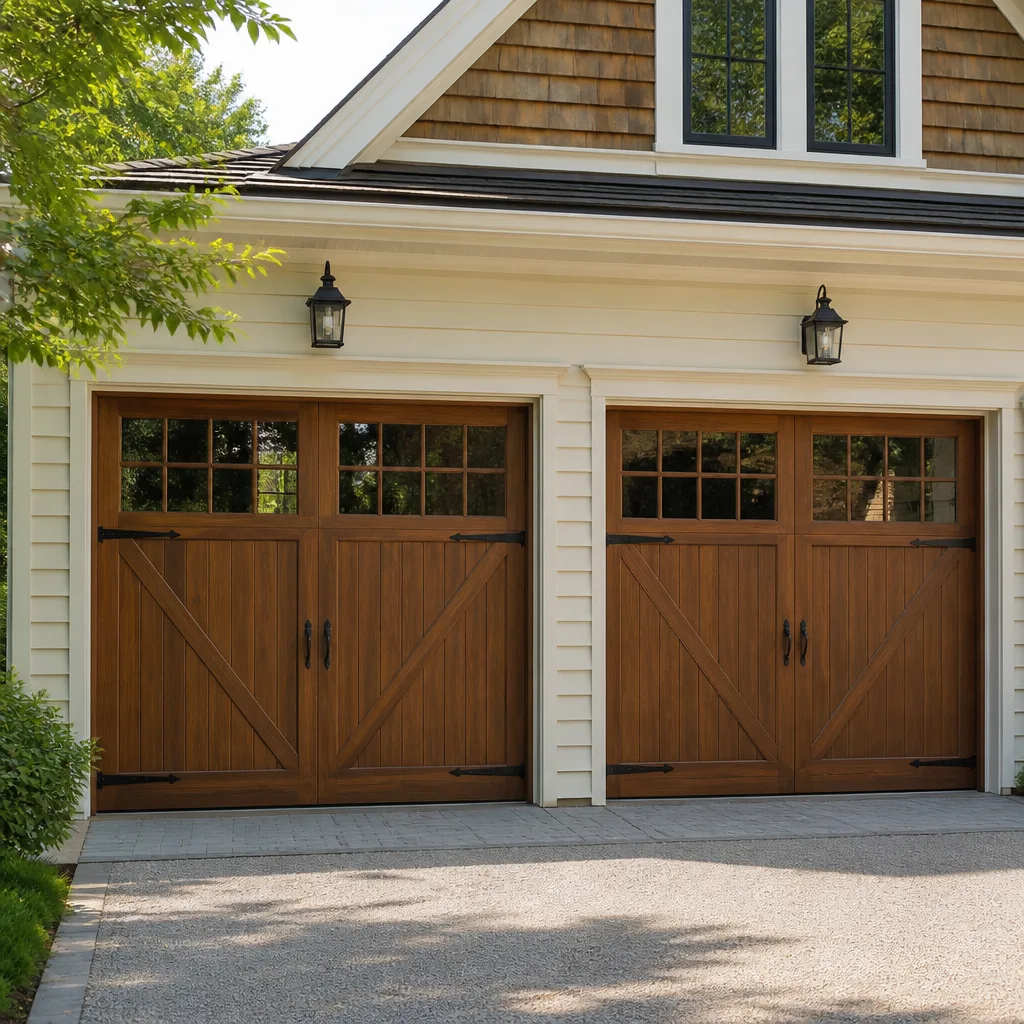 Carriage house
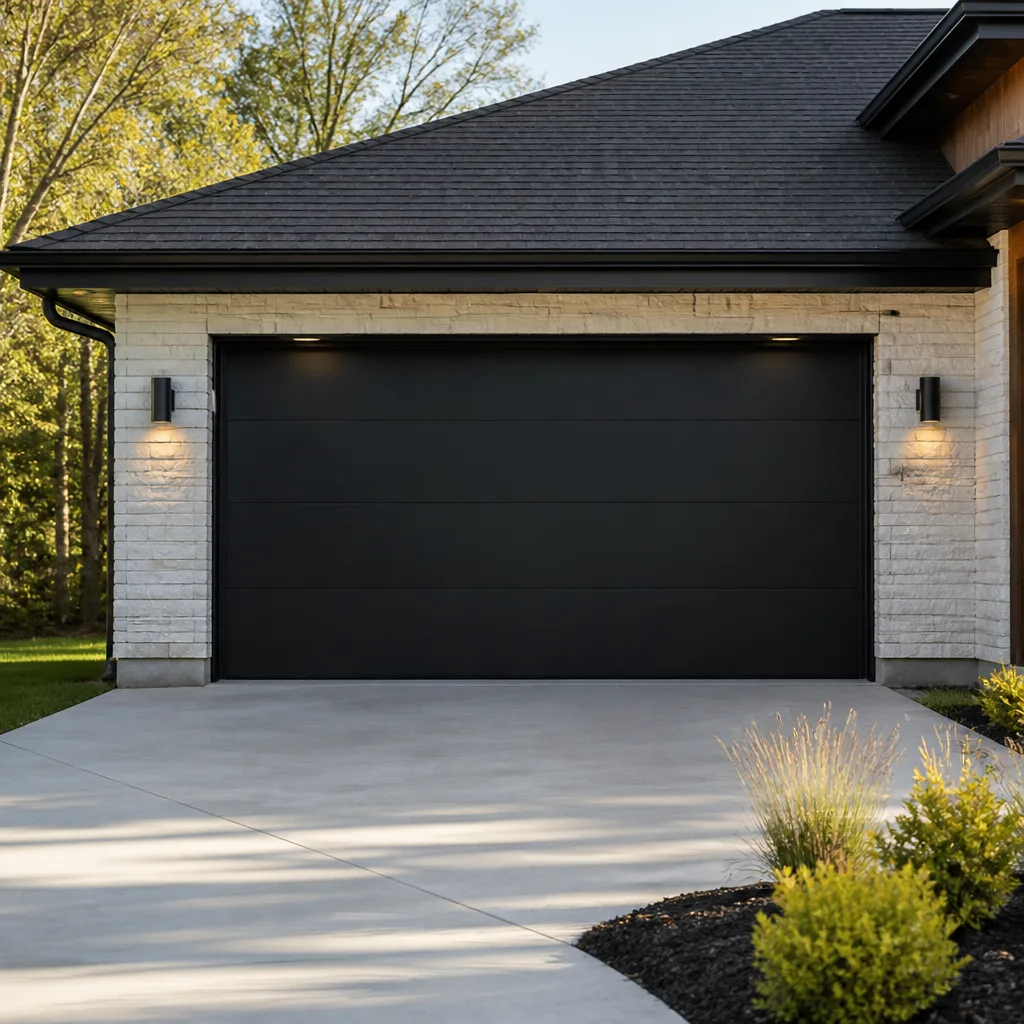 Modern flush
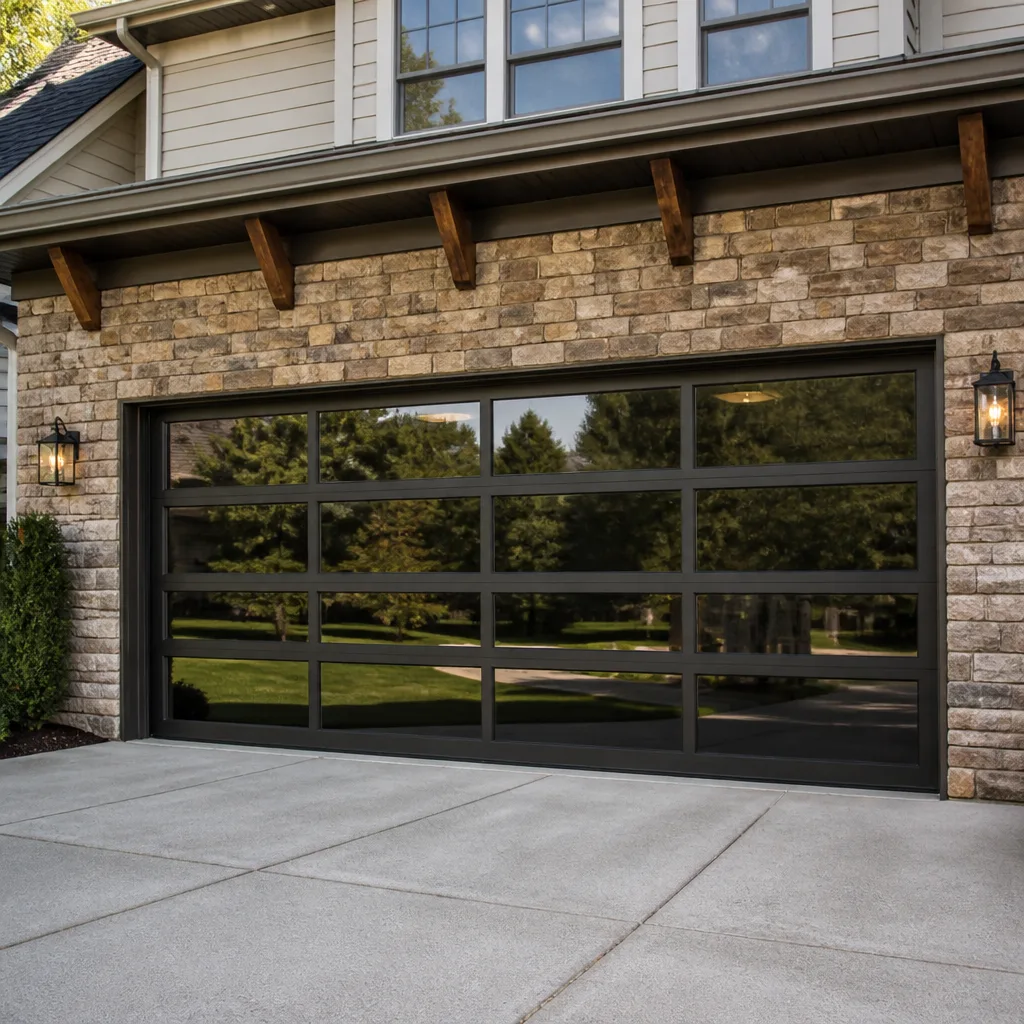 Full-view glass
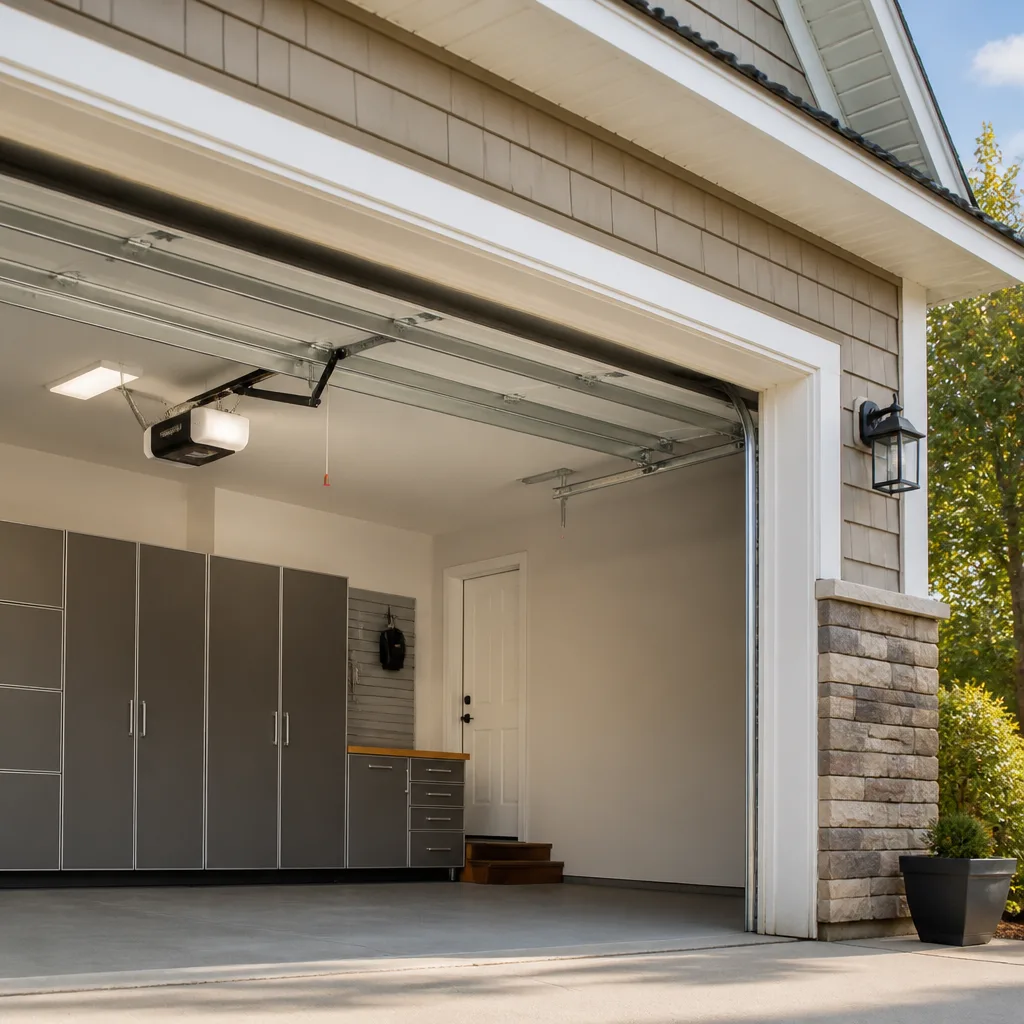 LiftMaster openers
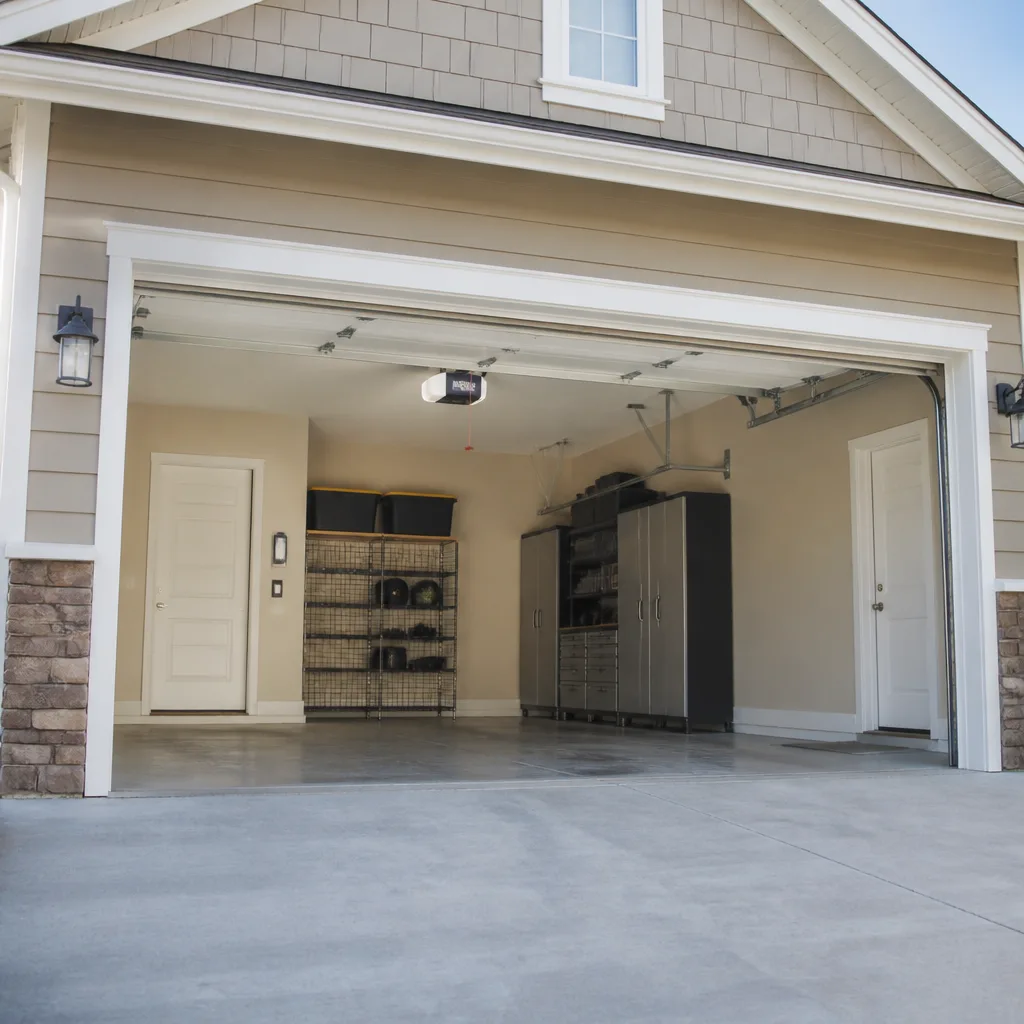 Chamberlain openers
Full 25-point door and opener safety check with every visit - springs, cables, rollers, tracks, and your LiftMaster or Chamberlain opener included
You get a price before we start. It does not change when the pro arrives.
Get your free estimateGarage Door Repair Maintenance Checklist for Cedonia Homeowners
A garage door that sounds fine can still be three months from a broken spring. That’s the uncomfortable truth most maintenance checklists skip. They tell you to listen for noise and spray some lubricant, then send you back inside feeling productive while a torsion spring quietly loses tension. The real failure indicators on a garage door are visual and mechanical, not auditory. In this guide, we’re walking Cedonia homeowners through a checklist built around inspection logic: what a specific reading, wear pattern or sound actually means, so you can tell a $12 fix from a $400 repair before you call anyone. You’ll learn the balance test and how to read the result, the roller wear pattern that predicts track damage, and which findings are safe to handle yourself versus which need a technician this week.
Quick Answer
A proper garage door maintenance checklist for a Cedonia home covers six core checks: the balance test (does the door hold position, and by how much does it drift), roller and hinge wear, track alignment and fastener tightness, spring tension and cable condition, opener force and safety-reverse settings, and weather seal condition. Most of these you can inspect safely in about 15 minutes without touching the springs or cables. Anything involving spring tension, cable replacement or track straightening belongs to a trained technician. Run the checklist twice a year, and again after any stretch of freezing or hot, humid weather, since Maryland’s temperature swings are hard on springs and hardware.
Styles & brands we work with
- Raised-panel steel
- Carriage house
- Modern flush
- Full-view glass
- LiftMaster openers
- Chamberlain openers
Table of Contents
- Why Most Maintenance Checklists Miss the Real Problems
- The Balance Test: Reading Your Result, Not Just Pass or Fail
- The Roller Wear Pattern That Predicts Track Damage
- Lubricating the Right Parts (and Why the Wrong Ones Backfire)
- Spring Tension and Maryland’s Seasonal Adjustment Thresholds
- Opener Force, Safety Reverse and the Two-Inch Test
- Weather Seals, Tracks and Fasteners: The Quiet Failures
- The Triage Matrix: DIY-Safe, Call Soon, or Same-Week Service
Why Most Maintenance Checklists Miss the Real Problems
Search “garage door maintenance checklist” and you’ll find the same five items repeated across every site: lubricate the moving parts, tighten the bolts, test the balance, check the weather seal, listen for strange noises. All fine advice. None of it tells you what to do with what you find. A door that fails the balance test by an inch is a different situation from one that drops a foot. A roller with flat spots is a different warning than a roller worn on one side. The checklist matters less than the interpretation.
We’ve seen this play out across Cedonia homes in every season. A homeowner hears a faint grinding, figures it’s normal, and six weeks later the door won’t open because a cable has jumped the drum. Another homeowner notices a slight drift on the balance test, ignores it because the door still “works,” and ends up with a snapped spring on a cold morning. The inspection was done. The meaning was missed.
This guide flips the usual order. Instead of asking “did you do the task?” we’re asking “what did the result tell you?” Every section below explains both the check and the threshold at which a finding becomes actionable. That’s the difference between a checklist that occupies ten minutes and one that actually prevents a service call you didn’t want.
One more thing before we start. Cedonia sits in Maryland’s mixed-humid climate zone, which cycles through wet springs, hot humid summers and freezing winters. Hardware moves and contracts across that range in ways homeowners in milder climates never see. A checklist built for a California suburb won’t catch the problems that matter here. This one is written for the way garage doors actually behave in Cedonia.
The Balance Test: Reading Your Result, Not Just Pass or Fail
A door that stays put at the halfway point isn’t automatically fine. How far it drifts, and in which direction, tells you more about spring health than the pass/fail answer. This is the single most useful inspection you can do, and almost nobody reads the result correctly.
How to Run the Test
- Close the door completely and pull the manual release cord to disconnect the opener. On most openers, the cord hangs from the carriage; if it’s tied or clipped, free it first.
- Lift the door by hand about halfway, then let go at the middle point. Don’t push it or guide it. Just release.
- Watch where it settles. Note the direction (up or down) and estimate the drift in inches.
- Repeat at the fully open and fully closed positions, again letting go cleanly.
- Reconnect the opener by running it until the carriage re-engages, then cycle the door once to confirm.
What the Result Means
- Holds within a few inches at halfway: Balanced. Springs are doing their job.
- Drifts down a foot or more: Springs have lost tension. The door is heavier than the system was designed to lift. This is a “call soon” finding, not an emergency.
- Drifts up noticeably: Springs are over-tensioned, or the door has gotten lighter than the original setup (new panels, insulation changes). Over-tensioned springs wear faster and put stress on cables and the opener.
- Won’t stay put anywhere and drops hard: The spring has likely failed or the cable has slack. Stop lifting it by hand and call a technician. A door with a broken spring is surprisingly heavy, and forcing it up can send it down unexpectedly.
Run this test in Cedonia at least twice a year, and once more after the first hard freeze of the season. Cold stiffens the lubricant and shrinks the metal, and springs that tested fine in October often read differently in January. That’s not a service problem, it’s just physics, but it’s worth knowing before you panic.
The Roller Wear Pattern That Predicts Track Damage
Rollers almost never fail in the middle of the wheel. They wear on the outer edge that contacts the track, and the direction of that wear tells you what’s coming next. Learning to read the pattern takes one inspection and saves you a track replacement.
How to Inspect Rollers
- With the door closed and the opener disengaged, look at each roller where it sits inside the track. There’s one at every hinge and two at the bottom corners.
- Check for flat spots, chips, or a wheel that wobbles on its stem.
- Feel the wheel with a gloved finger. A plastic roller should feel smooth. A steel roller should feel smooth too, not grooved.
- Look at the inner edge of the track where the roller rides. If you see a shiny wear line only on one side, the roller is canting instead of rolling straight.
What the Pattern Tells You
- Even wear across the roller: Normal. Plan to replace plastic rollers every several years as part of routine service.
- Roller worn on one side, track shiny on one edge: The door is slightly out of alignment or the hinge has bent. The roller is grinding against the track instead of rolling inside it. Left alone, this wear pattern starts carving into the track itself, turning a cheap fix into a much bigger one.
- Flat spot on the roller: The door has been slammed or forced at some point, or the roller was seized and then freed. Check the hinge and the track section at that spot too; damage usually travels together.
- Steel roller with a groove down the middle: The track has a defect or debris buildup. Nylon rollers from Clopay and Amarr doors tend to wear more evenly, while steel rollers on older Wayne Dalton systems often show this pattern first.
The key insight: one bad roller is a swap. One bad roller with a shiny wear line on the track is a signal that the door is pulling unevenly, and that misalignment will keep chewing rollers until the track is straightened. In our experience working Cedonia homes, a two-minute look at the track edges catches that transition before it costs a homeowner a full track replacement.
Lubricating the Right Parts (and Why the Wrong Ones Backfire)
Lubricating the wrong components makes a garage door worse, not better. Spraying the track or the plastic rollers attracts dust and grime that accelerates wear, and oil on the opener rail can cause the carriage to slip. This is one of the most common mistakes we see on Cedonia doors, and it’s easy to fix once you know which parts want lubricant and which want to stay dry.
Lubricate These
- Hinges and hinge pivots: A light coat of white lithium grease or a silicone spray on the pivot points. Not oil, which drips and collects dust.
- Torsion springs (very lightly): A small amount on the coils reduces friction noise. This is the only contact with the spring itself that’s safe for a homeowner; never adjust or unwind the spring.
- Roller stems: A tiny drop where the roller stem meets the hinge, not the roller wheel.
- Opener chain or belt: Most openers ship with a specific lube recommendation. Follow the manufacturer’s guidance. Genie and LiftMaster chains generally want a light silicone or white lithium, not oil.
Leave These Alone
- The track itself: Oil on the track is the number one mistake. It catches dust, hair, and grit, and then the roller grinds through the grime. Tracks should be wiped clean and dry, not greased.
- Plastic or nylon rollers: These are designed to run dry. Lubricant on plastic softens the material and speeds wear.
- Opener rail: Same reason as the track. The carriage needs a clean surface, not a slick one.
- Sensors and the photo-eye lenses: Never spray near them. A smudged eye causes false safety trips.
Clean the track with a dry rag, lubricate the hinges and roller stems, and leave the rest alone. That’s the whole routine, and it takes ten minutes. If you’re not sure what type of opener or hardware your door has, we can identify the system in a single visit; our technicians have up to 14 years of experience with the brands most common in Cedonia, including Genie, Clopay, Amarr and Wayne Dalton. A quick look tells them which parts want lubricant and which don’t.
Spring Tension and Maryland’s Seasonal Adjustment Thresholds
Springs are the one component on a garage door that homeowners should never adjust. They store enormous energy, and a spring that’s unwound or replaced incorrectly can cause serious injury. What you can do is inspect them for condition and know when to call. That’s the practical split.
What to Look For Visually
- A visible gap in the coil: On torsion springs, this means the spring has broken. Stop using the door and call a technician.
- Rust streaks or heavy corrosion: Maryland’s humid summers accelerate rust on cheaper springs. Rusty coils lose tension faster and are more likely to snap.
- Stretched appearance on extension springs: Extension springs on older Cedonia doors sag when they’ve lost tension. If they look longer than they used to, they’re tired.
- Cables with kinks, frays or slack: Cables work with springs. A slack cable often means the spring on that side has failed. Don’t touch it.
Seasonal Adjustment Thresholds
Maryland moves between roughly freezing winters and hot humid summers, and springs feel every degree. Two patterns are worth knowing:
- Late fall: Doors that tested balanced in September often sit heavier in November. If the door now drifts down more than a few inches, the spring has lost tension and is worth a professional check before the cold settles in. Springs under-tensioned in cold weather work harder every cycle.
- Late spring: After the first warm stretch, doors sometimes drift up. That’s usually over-correction from a spring that was adjusted cold, or plain thermal expansion. A technician can re-balance in minutes; letting an over-tensioned door run through summer shortens spring life.
Springs are a dedicated service for us for exactly this reason; it’s one of the most dangerous repairs on a home and one of the most frequently handed to general handymen. Our technicians are trained on it specifically and carry the right parts for the brands we service. For a broader look at spring repair and other repair work, see our page on garage door repair. If you want a specific diagnosis, call (844) 918-2827.
Opener Force, Safety Reverse and the Two-Inch Test
Your opener has two safety systems that need checking, and only one of them is the photo eye. The other is the force setting, which determines how hard the motor pushes before it gives up. Both are easy to test, and both fail silently.
The Photo Eye Test
- With the door open, wave a hand or a piece of cardboard across the sensor beam near the floor. The door should reverse immediately.
- If it doesn’t, check that both sensors have a light on. A blinking light usually means misalignment or a dirty lens.
- Wipe the lenses with a dry cloth, realign if needed, and test again. If it still won’t reverse, don’t use the opener until a technician looks at it.
The Two-Inch Test (Force Reverse)
- Lay a piece of wood or a thick book flat under the door, about two inches high, at the center of the opening.
- Close the door using the wall button or remote. Watch what happens when the door contacts the object.
- The door should reverse within a second or two of contact. If it pushes down hard or stops without reversing, the force setting is too high and needs adjustment.
- Repeat with the object in a different spot, since force can vary across the door width.
What the Results Mean
- Reverses quickly: Force setting is within range. Do this test monthly, or after any power outage.
- Slams or pushes hard before reversing: Force is set too high. On most openers this is a screw or a menu setting on the motor unit. Adjusting it is safe if you follow the manual, but the safer call is a technician visit; force is a safety setting, not a comfort setting.
- Reverses on its own before contact: Force is set too low, or the door has developed drag. The door needs less force to run, not more. Check roller wear and track condition first.
On modern openers, force is often adjusted through a menu on the head unit. On older Craftsman and Genie units, it’s a physical screw. Either way, if you’re unsure how your specific opener handles it, a visit to check the opener is smart. If your opener needs more than a force tweak (a failing logic board, a stripped gear, a worn belt), see our page on garage door opener repair.
Weather Seals, Tracks and Fasteners: The Quiet Failures
These three checks don’t produce dramatic failures. They simply cost you money in small, unnoticed ways until the bill is bigger than it should be. Checking them during your twice-a-year inspection keeps them in their quiet place.
Weather Seals
- Bottom seal: Run a hand along the bottom of the closed door. Any crack, tear or gap lets in water, cold air and even pests. In Cedonia, a worn seal is a common culprit behind wet garage floors after a heavy summer storm.
- Side and top seals: Look for gaps between the door edge and the frame. A dollar bill held between the seal and the door should resist a gentle pull. If it slides out easily, the seal is past its prime.
- Threshold: Check the floor under the door for water marks after rain. A worn bottom seal, not a threshold problem, is usually the cause.
Tracks
- Vertical tracks: Look down the length of each track from a few feet back. Any bend or bow beyond a slight natural curve is a problem. Don’t try to bend them back yourself; aluminum tracks kink easily and a kink will cause the door to bind.
- Horizontal tracks: Check the angle where the vertical track meets the horizontal. A door that seems to hesitate as it comes down is often catching on a sagging horizontal track, frequently the result of a loose lag bolt into the ceiling.
- Debris: Wipe the inside of the track with a dry rag. Never oil it. Small stones and leaves caught in the channel do more damage than lack of lubricant.
Fasteners
- Check the hinge screws and the track mounting bolts. A screw that turns easily or spins in place has stripped its hole. It’s a small thing but it lets the hinge or track shift, which causes the door to run off-center.
- The bracket bolts holding the springs (do not touch the springs, only the mounting hardware while the door is down). Any bolt that looks loose is worth a professional eye.
- Door panel fasteners on sectional doors. Sectional doors flex slightly in daily use; if a panel’s bolts are backing out, the panel is flexing more than it should.
When the seals, tracks and fasteners are all in good shape, that’s also the best time to think about the door as a whole. If the door itself has reached the end of its reliable life, our page on garage door installation covers what a replacement involves in a Cedonia home, from measuring to scheduling.
The Triage Matrix: DIY-Safe, Call Soon, or Same-Week Service
The most useful skill after a checklist is sorting the findings into categories. Some things you can handle. Some can wait a week or two. A few need to be addressed within days. Here’s how we sort them.
DIY-Safe
- Lubricating hinges, roller stems and (lightly) springs
- Wiping down tracks with a dry rag
- Cleaning photo-eye lenses
- Replacing a bottom weather seal (standard sizes, straightforward swap)
- Replacing a single worn plastic roller (if you’re comfortable with basic hand tools)
- Tightening slightly loose hinge screws where the hole hasn’t stripped
Call Soon (Within a Week or Two)
- Balance test drifting down more than a foot
- Roller with one-sided wear and a shiny track edge
- Over-tensioned or under-tensioned springs you’ve confirmed via the balance test
- Force setting that needs adjusting or a reverse test that’s borderline
- One visibly rusty spring that’s still functional
- Weather seal needing replacement on the top or sides
Same-Week Service (Don’t Wait)
- Broken torsion spring (visible gap in the coil) or extension spring visibly snapped
- Door that won’t stay up at all, or drops quickly when opened by hand
- Slack, kinked or frayed cable
- Door that reverses on its own or fails the two-inch test even after a force adjustment
- Bent or kinked track with the door binding
- Opener that won’t respond to the wall button or behaves erratically
For same-week service in Cedonia, our Garage Door Repair Cedonia page is the fastest way to reach a technician who works on the brand already in your garage. Our technicians have up to 14 years of experience with the systems we see in Cedonia homes. When you call, the price is quoted and agreed before any work starts, so you won’t get an invoice different from what you were told.
Common Mistakes to Avoid
- Oiling the track. It feels productive, but the oil catches dust and abrades the rollers instead of helping them. Tracks want to be clean and dry. Wipe them down once a season, that’s it.
- Lubricating plastic rollers. Plastic is designed to run dry. Spraying it with silicone or oil softens the surface and shortens its life. If your Clopay or Amarr door has nylon rollers, leave them be.
- Adjusting spring tension yourself. This is the most dangerous mistake on the list. Spring systems store enough energy to cause serious injury even when the door is down. Never touch the springs, even to “just check if they’re loose.”
- Bending tracks back by hand. A track with a kink will keep binding no matter how carefully you straighten it. In Cedonia’s humid summers, aluminum tracks kink even more easily once they’ve been stressed. Call a technician.
- Ignoring a balance result of “drifts a little.” A door that drifts down by a few inches isn’t failing yet, but it’s telling you the springs are losing tension. Catching that early can mean a simple adjustment instead of a full spring replacement.
- Assuming a photo-eye test passes because the door closed. The door closing isn’t the test. Blocking the beam and confirming the door reverses is. A closed door proves nothing about sensor function.
- Skipping the post-winter inspection. Cedonia winters are hard on hardware. Run the full checklist once in the fall and once in the spring, and don’t skip the spring check because the door “seems fine.”
See the difference
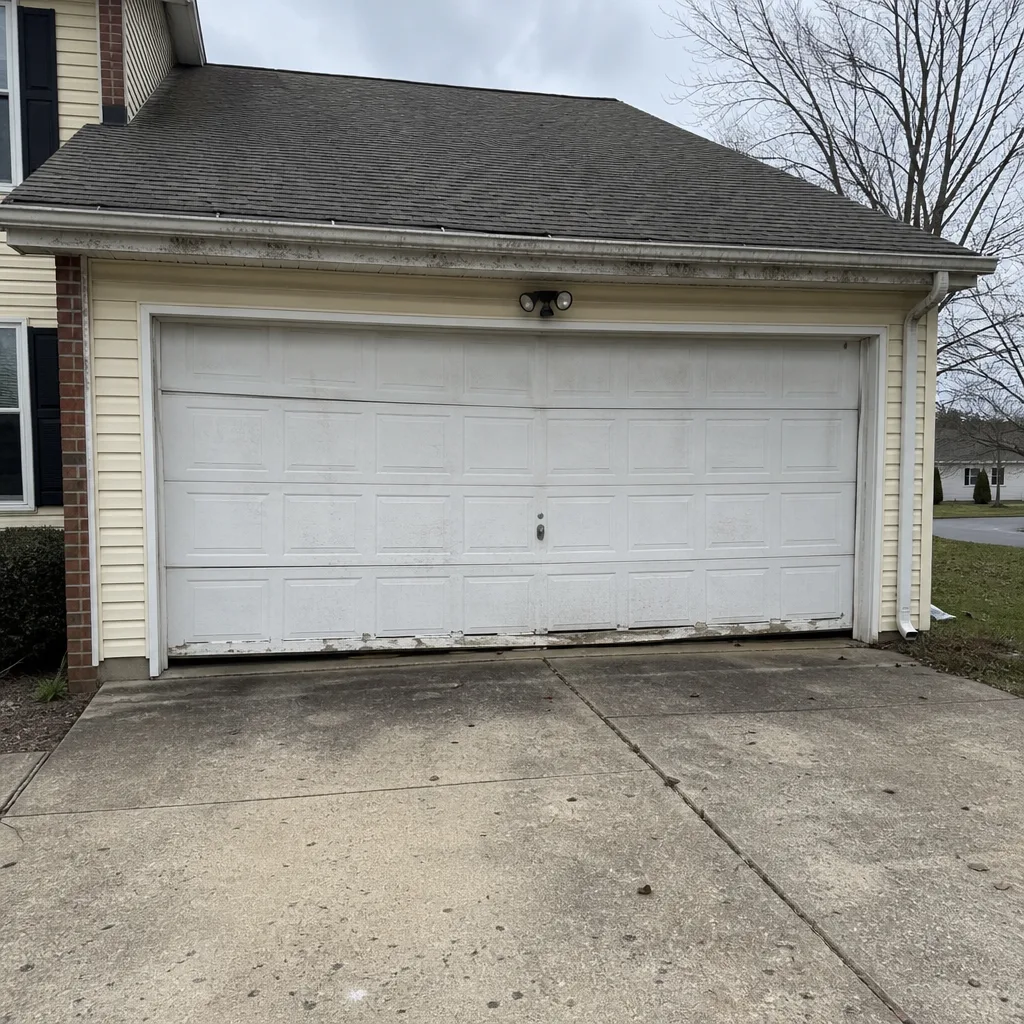 Before
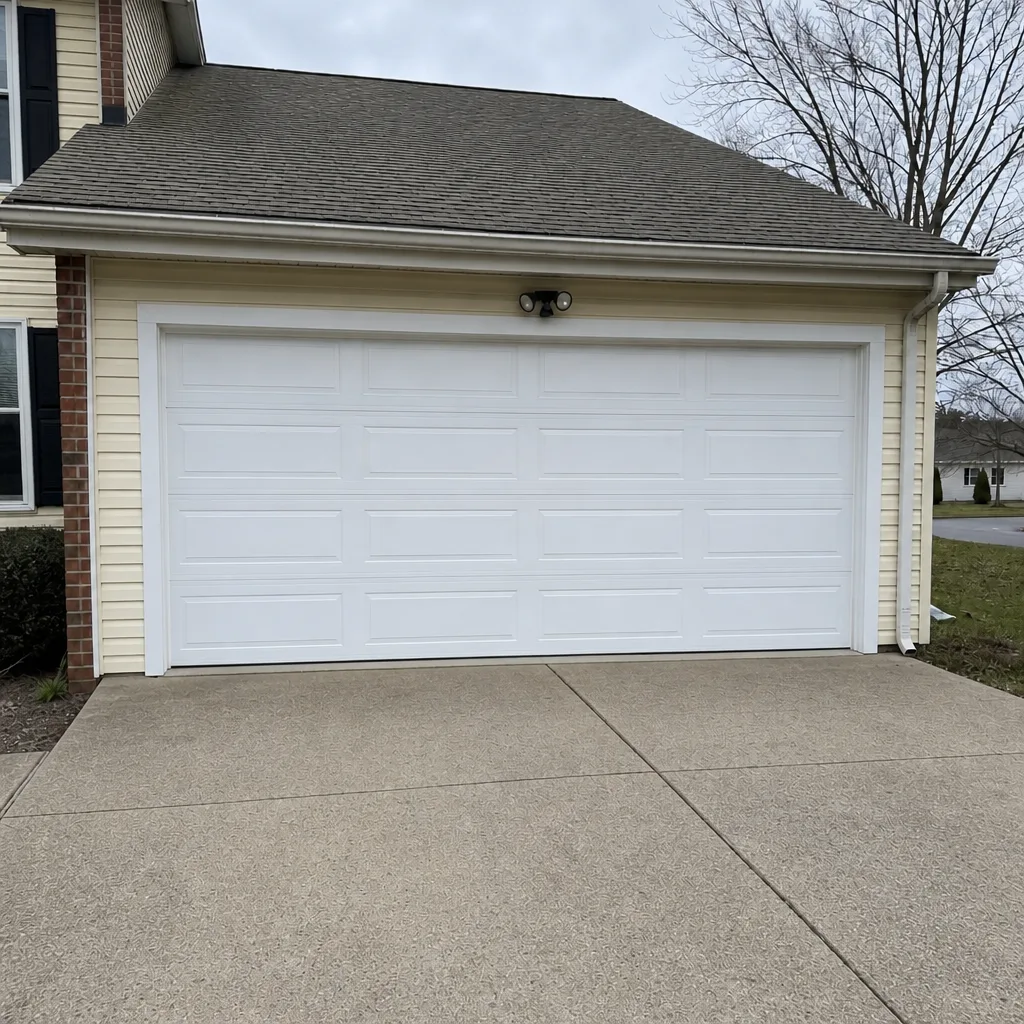 After
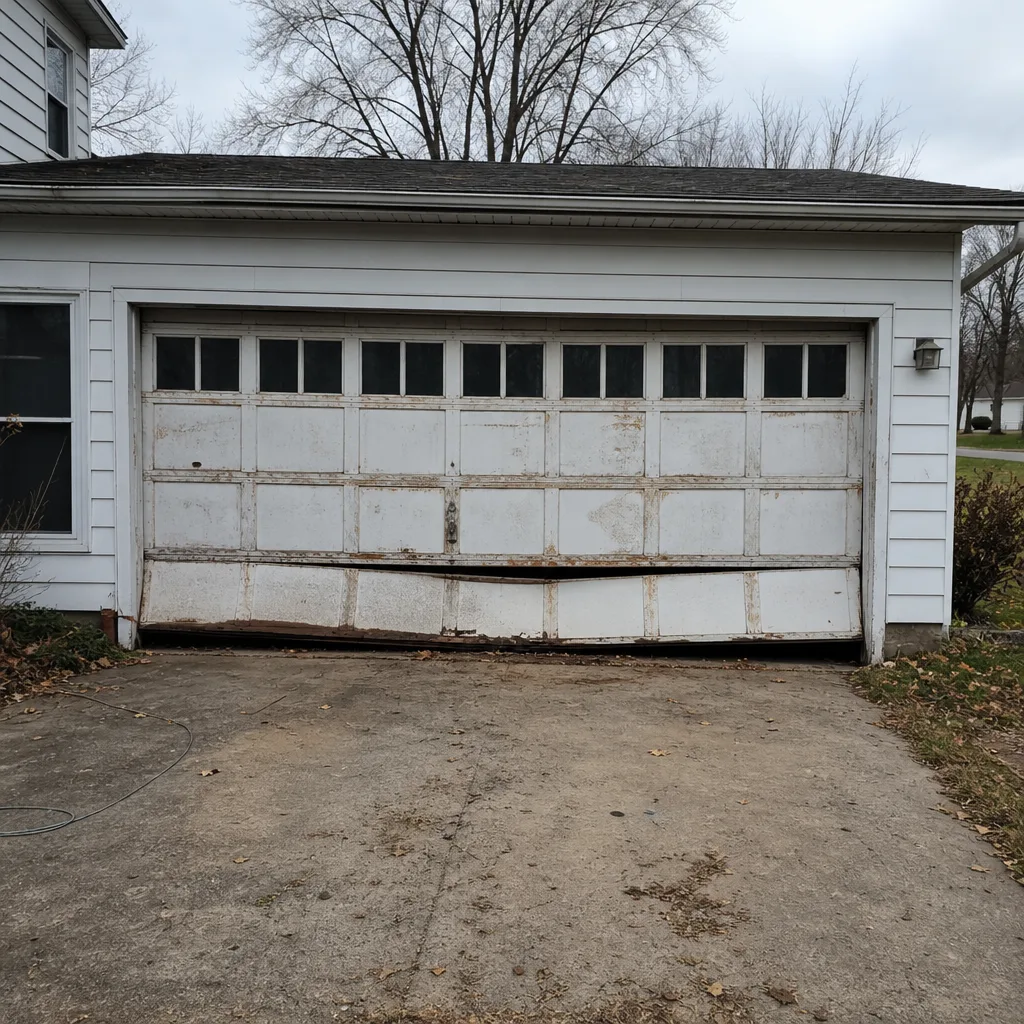 Before
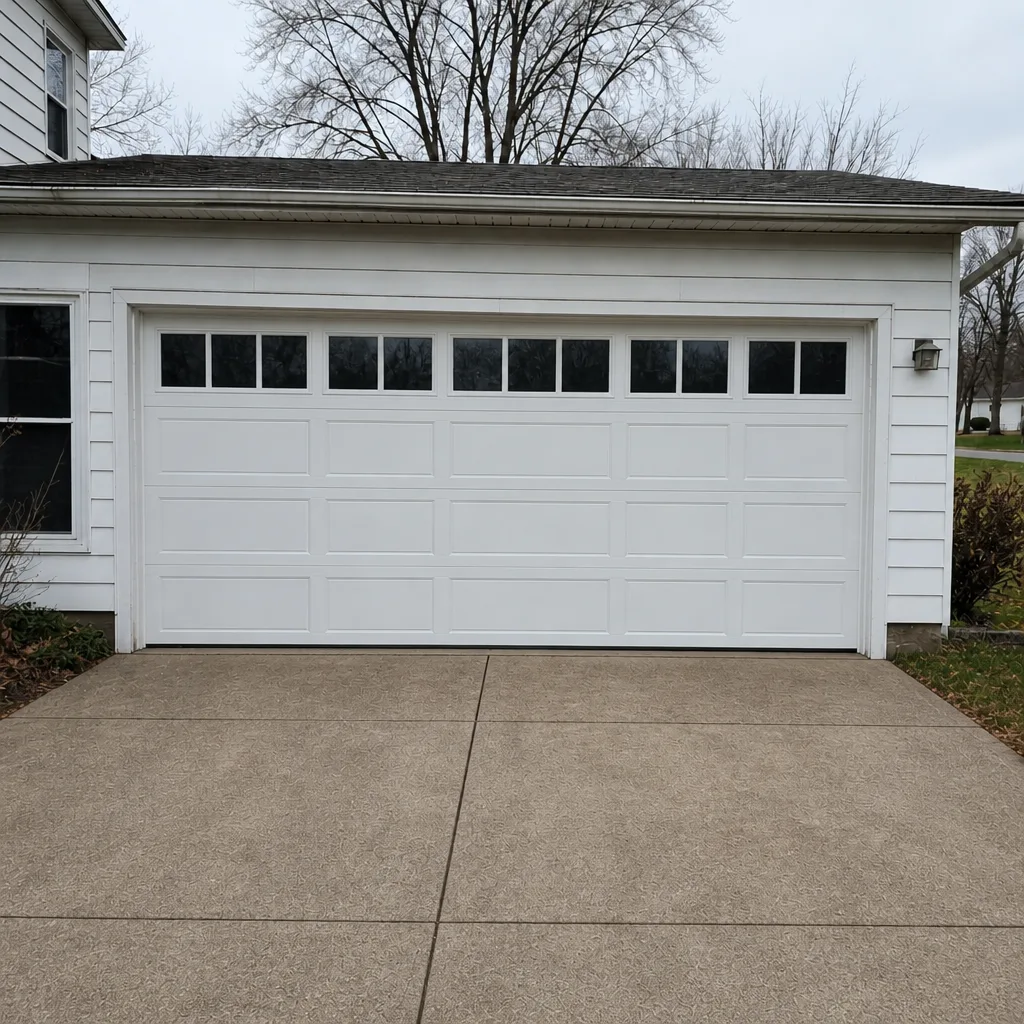 After
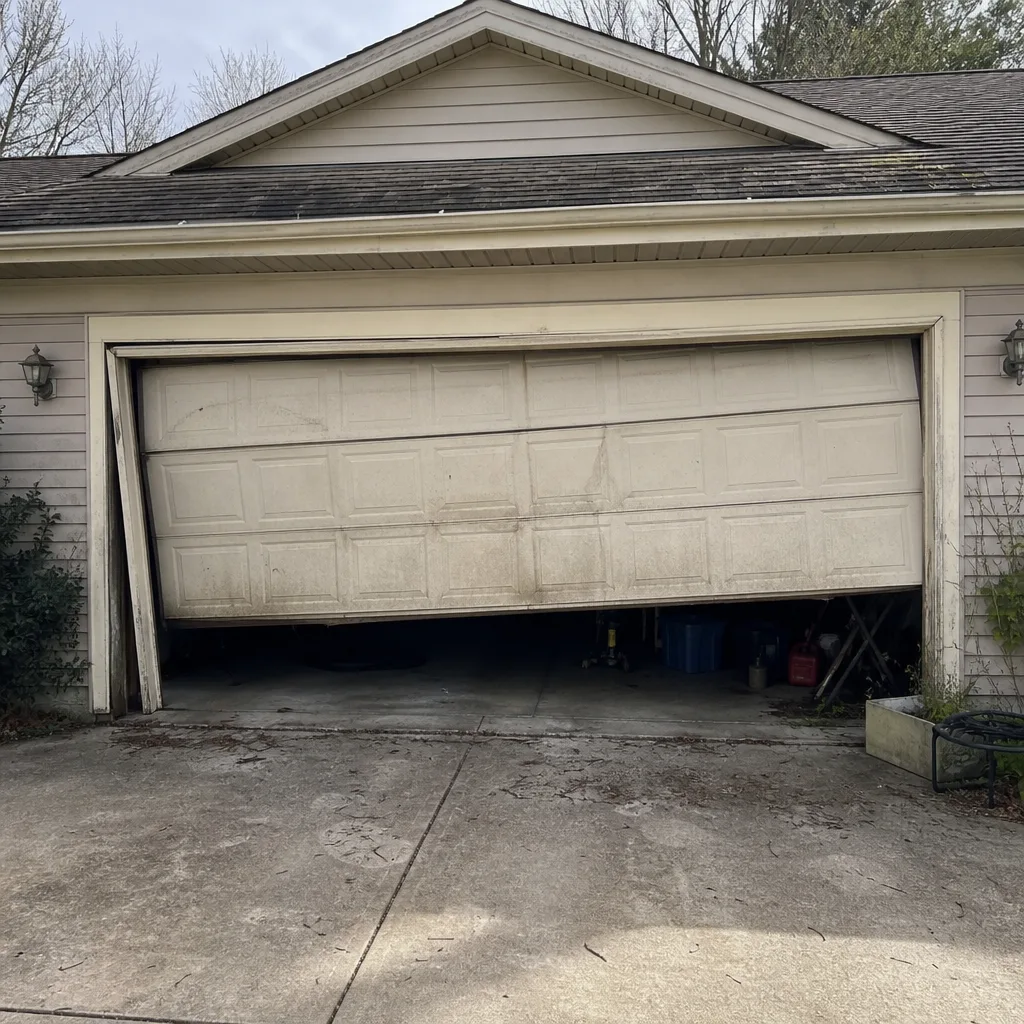 Before
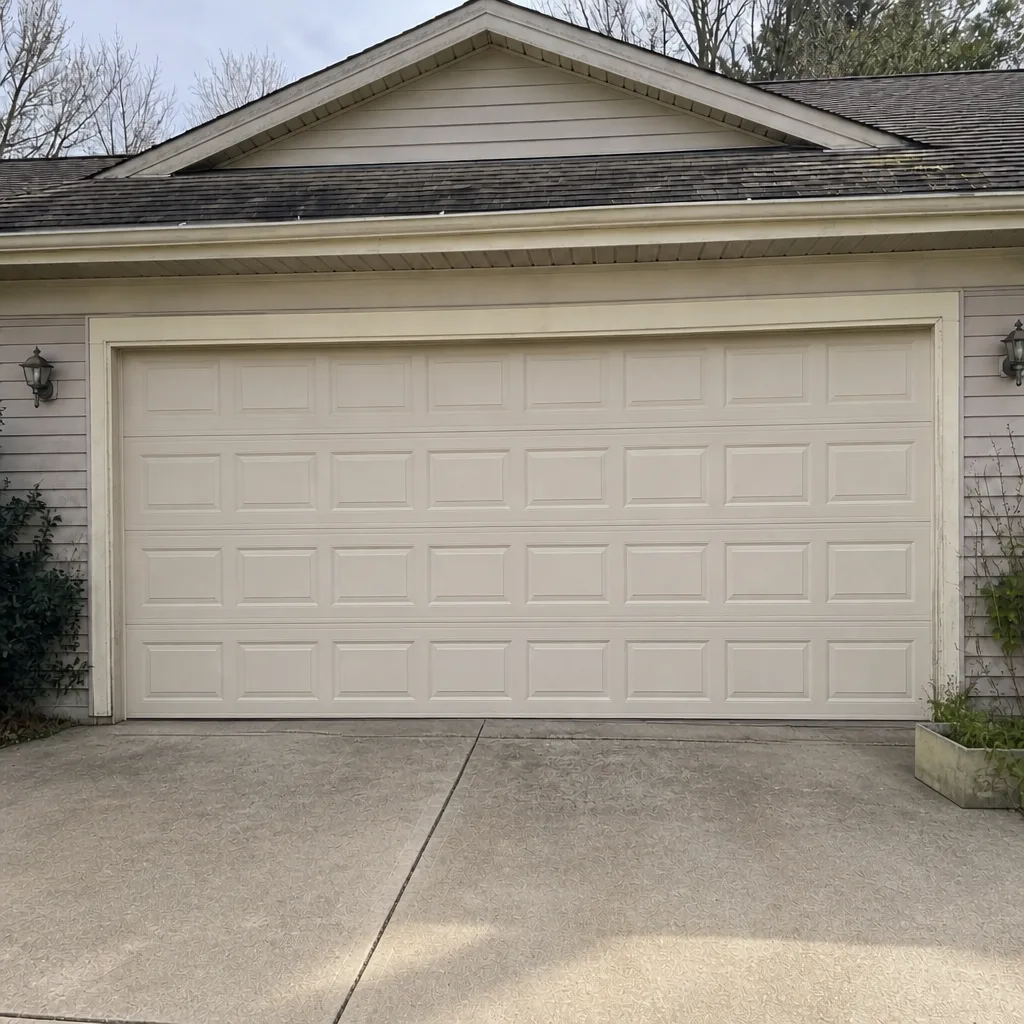 After
When to Call a Professional
Call a professional the moment your checklist turns up any finding on the same-week list: a visible spring break, a slack cable, a door that won’t stay up, a bent track, or an opener that fails the reverse test after a force adjustment. Those are the situations where a trained technician prevents an injury or a much bigger repair. For findings on the call-soon list, you have a window; get a technician out within a week or two before they turn into same-week issues. And any time you’re unsure how to interpret a result, a free estimate costs you nothing and answers the question in minutes. Garage Door Repair Cedonia offers free estimates in Cedonia. Call (844) 918-2827, and we’ll walk you through what to check, then get a technician to your door for anything that needs professional attention. Spring repair, opener repair, panel work, track straightening, all under one call.
Frequently Asked Questions
Twice a year is right for a Cedonia home, timed for late fall and late spring. Maryland’s temperature swings are hard on springs and hardware, and the fall and spring checks catch tension drift before it becomes a failure. Run the balance test and the two-inch safety test more often, about once a month, since those are the fastest checks and the most consequential ones.
No, spring replacement is not a safe DIY job, even for a confident homeowner. The spring system stores enough energy to cause serious injury, and an improperly installed spring can fail catastrophically. This is the one component on the door that should always go to a trained technician. Call (844) 918-2827 for a free estimate and we’ll get a technician out to look at it.
A door that drifts down a few inches isn’t dangerous yet, but it is telling you the springs are losing tension. Watched over a few months, that drift becomes the early warning that avoids a broken spring later. Book a technician visit within a couple weeks. A door that drops hard when you release it is a same-week call, not a wait-and-see. Call (844) 918-2827 for an exact quote, estimates are free.
Yes, if you stick to hinges, roller stems and a light coat on the springs, and leave the tracks, plastic rollers, the opener rail and the sensors alone. The most common mistake is spraying the track; that attracts dust and grime and accelerates roller wear. Keep it simple: dry rag on the tracks, light lube on the hinge pivots, and you’re done.
No, the price is quoted and agreed before any work starts. The written estimate is the price; there’s no surprise invoice at the end. If a technician finds something unexpected after diagnosing, they’ll explain it and you decide whether to proceed. Call (844) 918-2827 for a free estimate in Cedonia.
One worn roller alone is a homeowner-safe swap. What makes it worth a professional look is a worn roller beside a shiny wear line on the track edge, since that pattern usually means the door is out of alignment and will keep damaging rollers. A quick technician visit identifies the alignment issue before it costs you a full track replacement. Call (844) 918-2827 for a free estimate.
The Bottom Line
A garage door maintenance checklist is only as good as your ability to read what it finds. The balance test tells you about spring health by how far the door drifts, not just whether it holds. Roller wear patterns show which way the door is pulling. Lubricating the right parts keeps the mechanism working and the wrong ones accelerate wear. Triage your findings into DIY-safe, call-soon and same-week categories, and you’ll catch most problems before they turn into real repairs. Our technicians have up to 14 years of experience with the systems Cedonia homeowners rely on, and our spring, opener and installation work is handled by the same team. Call (844) 918-2827 for a free estimate. When your door won’t move, we do.
Written by the team at Garage Door Repair Cedonia.