Last updated November 21, 2026
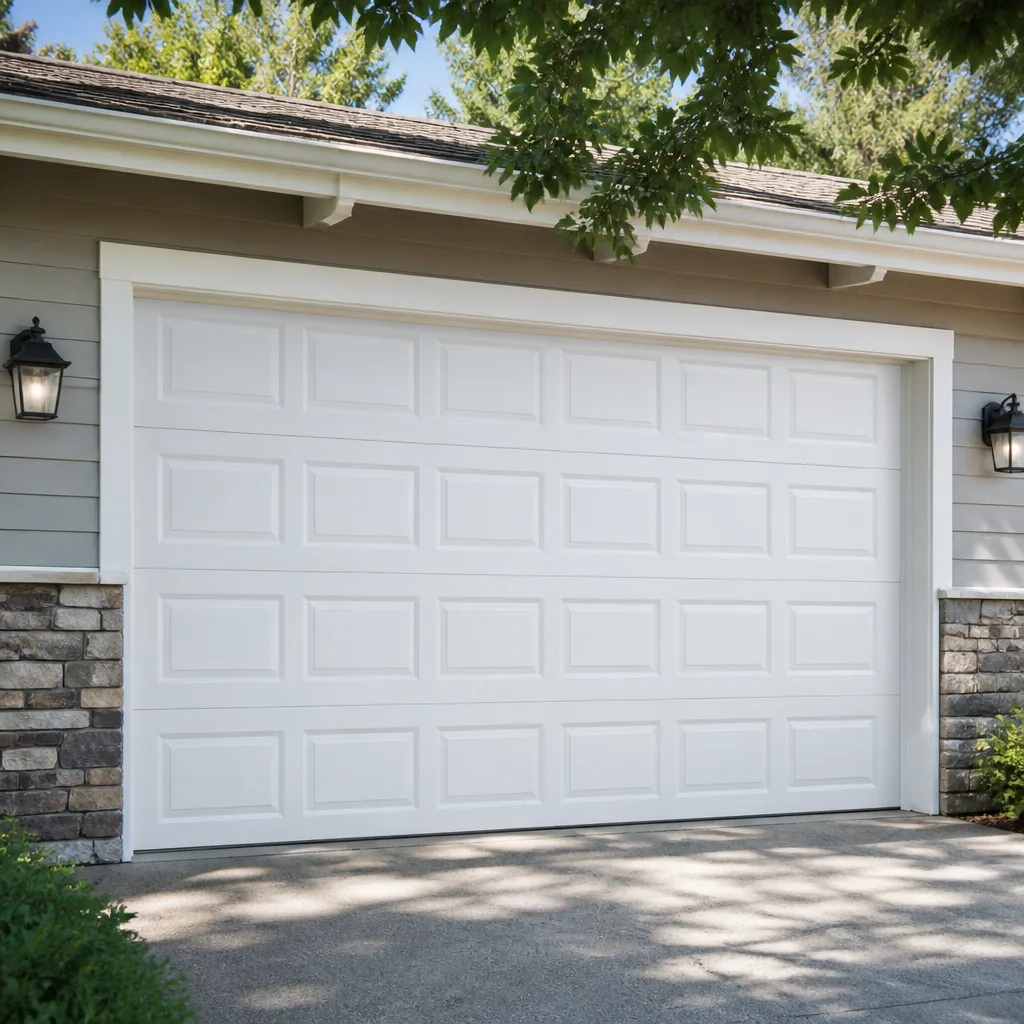 Raised-panel steel
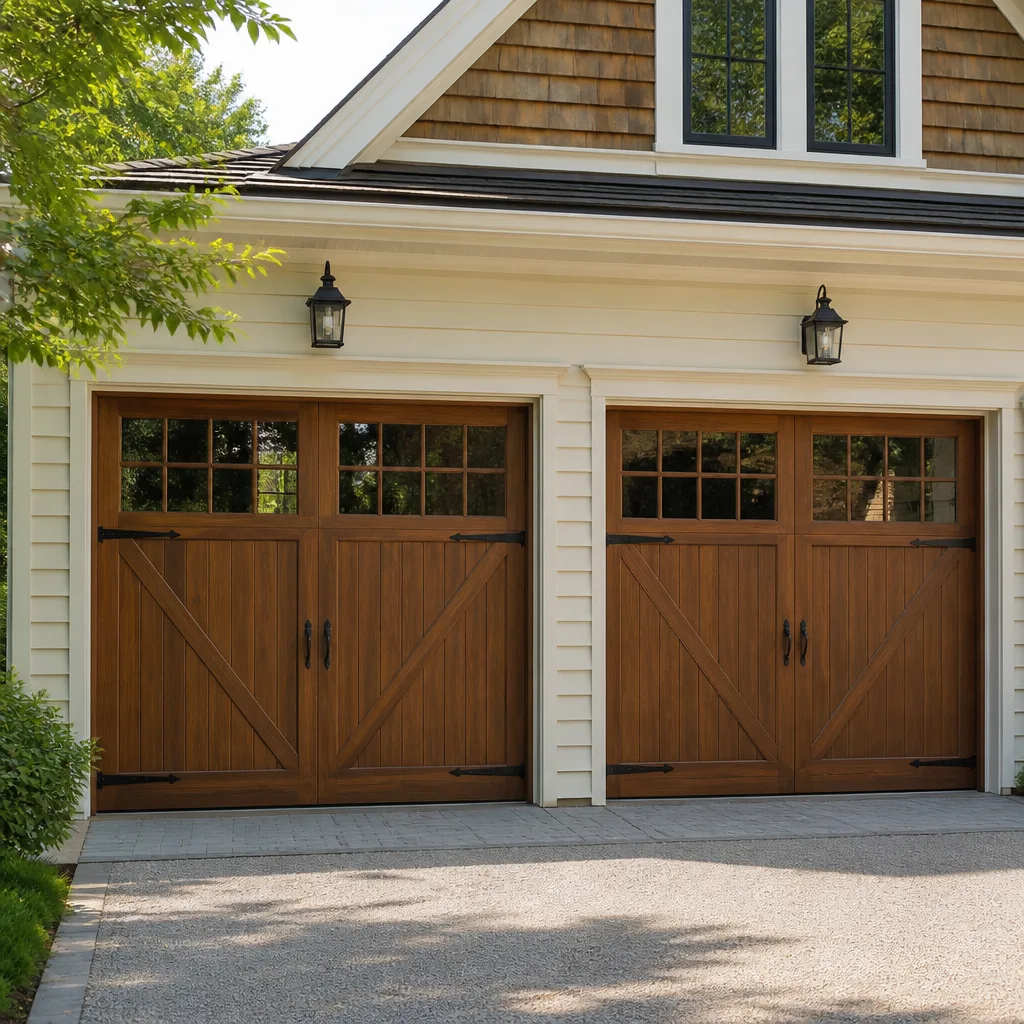 Carriage house
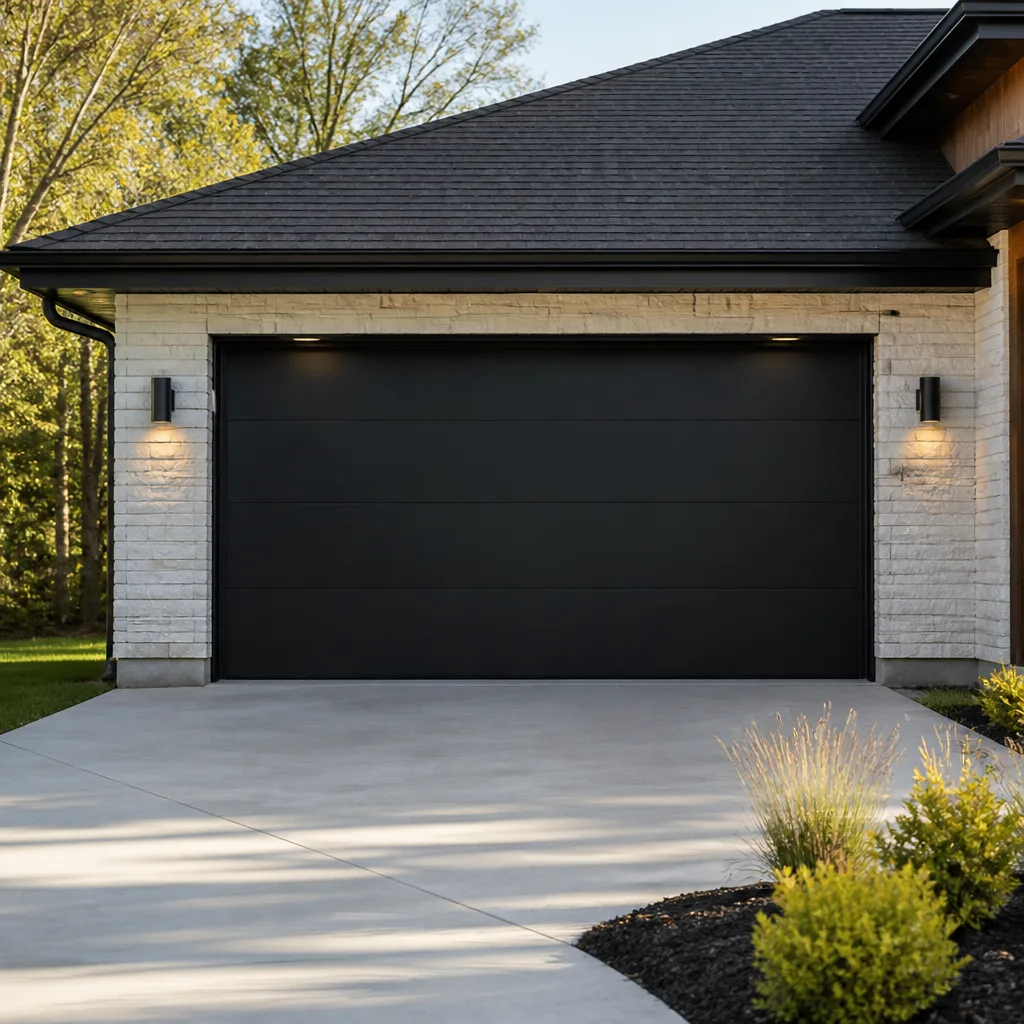 Modern flush
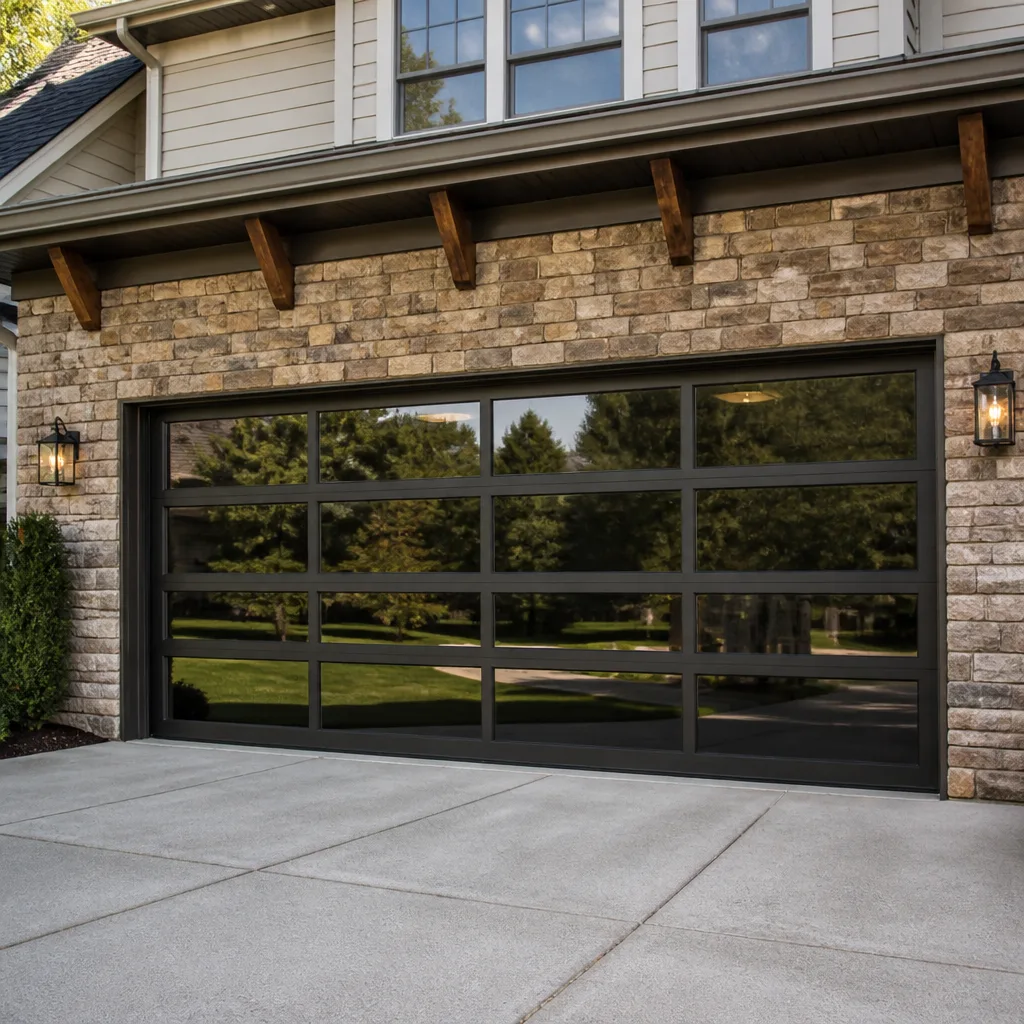 Full-view glass
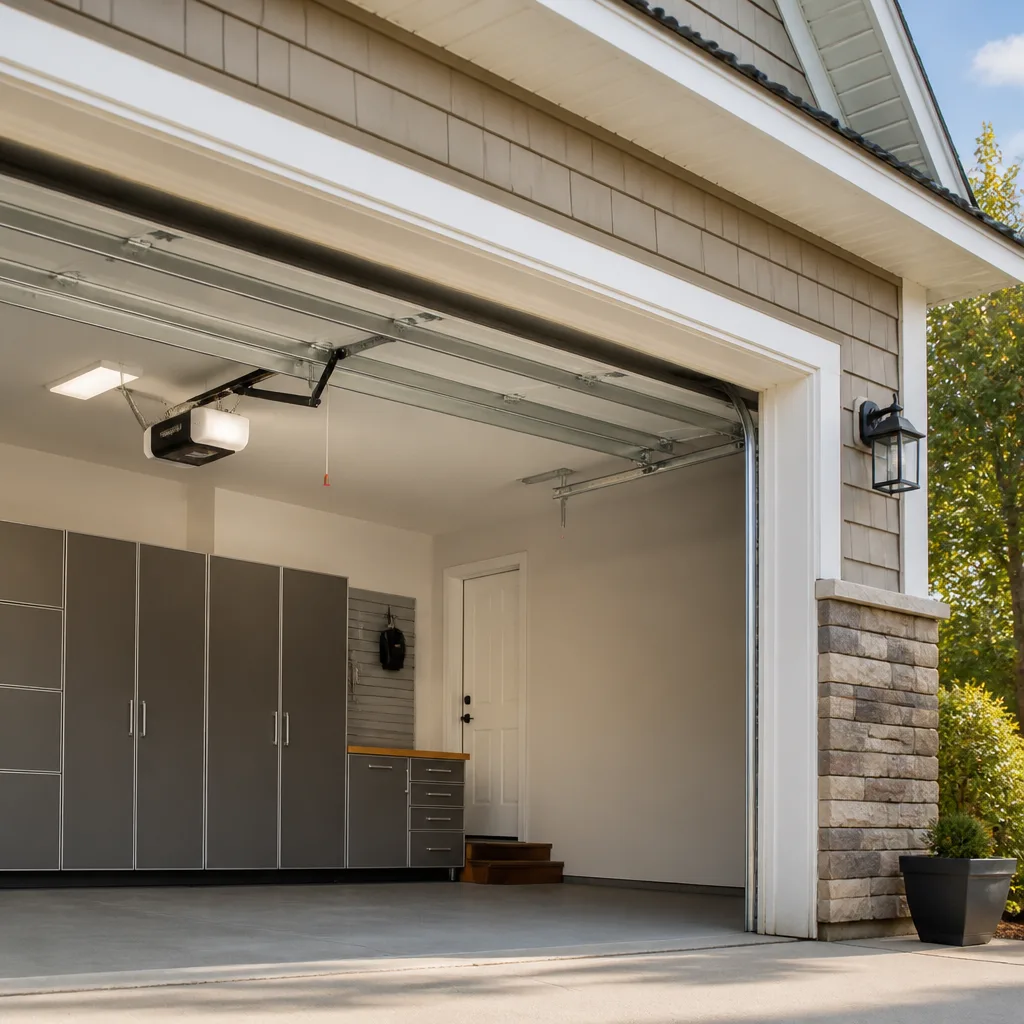 LiftMaster openers
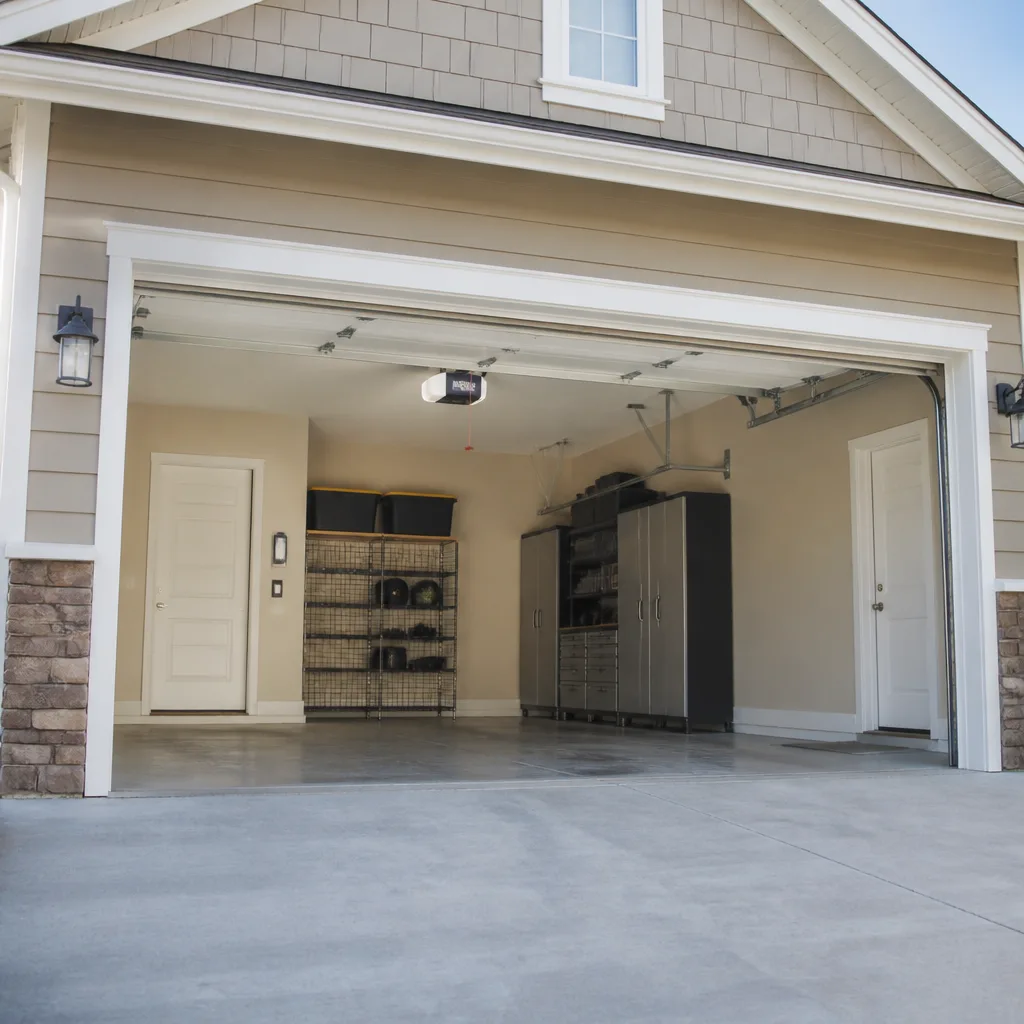 Chamberlain openers
Full 25-point door and opener safety check with every visit - springs, cables, rollers, tracks, and your LiftMaster or Chamberlain opener included
You get a price before we start. It does not change when the pro arrives.
Get your free estimateGarage Door Warning Signs: A Cedonia Homeowner’s Reference Guide
A garage door that hesitates for half a second before moving is not “sticking.” It’s a motor working against resistance it shouldn’t be fighting, and that resistance has a source that will eventually stop the door entirely. The same is true of a door that’s gotten louder, one that drifts down a few inches on its own, or one that reverses before it touches the ground. Each of those small behaviors points to a specific part that’s wearing out, and most homeowners miss the connection until the door quits for good.
This guide is organized by the component that’s failing, not by the symptom. Here in Cedonia, where doors run through cold winters, humid summers, and plenty of freeze-and-thaw, those warnings show up in predictable ways. We’ll walk through the sounds, the uneven movement, the opener codes, and a five-second test that tells you whether your door is a safety risk today.
Quick Answer
The most important garage door warning signs are loud snaps or bangs from the springs, grinding or squealing rollers, uneven or jerky movement, a door that reverses before closing, and visible sagging or bent tracks. Any one of these means a component is already failing, and the door should be checked by a trained technician before it’s used again. In Cedonia, a garage door that hesitates, drifts, or struggles to lift is almost always telling you the spring, roller, or opener is near the end of its safe life.
Styles & brands we work with
- Raised-panel steel
- Carriage house
- Modern flush
- Full-view glass
- LiftMaster openers
- Chamberlain openers
Table of Contents
- What the Sounds Mean: Mapping Noise to Component
- What Uneven Movement Tells You: Springs, Tracks, and Cables
- The Five-Second Manual Test That Tells You If Your Door Is Safe Today
- Weatherstripping Failure: Spotting It Before It Costs You
- Opener Warning Patterns: Error Codes, Force Limits, and False Reversals
- Visual Cues You Can Check Without Tools
- Seasonal and Climate Patterns in Cedonia
- Which Warnings Are Urgent and Which Can Wait
What the Sounds Mean: Mapping Noise to Component
A noisy door is not always a failing door, and a failing door is not always noisy. That distinction trips up a lot of Cedonia homeowners. A steady hum, a soft rattle, or a light knock at the start and end of travel is usually just normal mechanical movement. The sounds you should worry about are the ones that are new, sharp, or repetitive. Here’s how to sort them by the part that’s likely making them.
- Sharp tick or pop near the top of the door: Almost always a torsion spring. A spring under tension develops cracks along its coil, and each crack releases a tiny tick as the door moves. A spring that’s about to fail usually gets louder and ticks more often in the days leading up to a break. Stop using the door if you hear this.
- Grinding, squealing, or a metal-on-metal whine: Worn rollers or dry hinges. Rollers wear flat spots, and those flat spots grind against the track. Sometimes a quick lubrication quiets it, but grinding that persists after lubrication means the rollers need replacement.
- Loud pop or bang from the track, especially on one side: A track that’s come loose from its mounting or a hinge that’s failing. The pop happens when the roller jumps a gap in the track as the door passes.
- Rattle that travels with the door: Loose panels, lower brackets, or a loose hinge. Usually minor, but worth tightening before it becomes a bigger repair.
What we’ve found working on doors across Cedonia is that springs and rollers are the two components responsible for most of the sounds homeowners describe as “the door suddenly got loud.” Springs rarely fail with no warning at all. They fail after weeks or months of ticking, popping, and hesitation that most people chalk up to the weather.
What Uneven Movement Tells You: Springs, Tracks, and Cables
Uneven movement is one of the most misread warning signs on a garage door. When a door rises on one side faster than the other, or hesitates halfway up, homeowners often assume the opener is weak. Usually it isn’t. Uneven movement nearly always means the door’s balance is off, and balance comes from three parts: springs, tracks, and cables. Which of those three is at fault determines whether the fix is a quick realignment or a spring replacement.
How to tell which one it is
- Look for a gap between the door and the track. If one side of the door is visibly closer to its track than the other, the track is bent or out of alignment. Tracks get knocked by a car bumper, a ladder, or a stray ball more often than people realize.
- Check whether the door tilts but sits level when closed. A door that closes flat but rises crooked usually has a spring balance problem. Torsion springs on older doors weaken unevenly, and the door lifts more slowly on the weaker side.
- Inspect the cables for slack or fraying. Cables run from the bottom corners up the sides. A cable with visible fraying, kinks, or slack is a safety concern, not a maintenance item. Stop using the door and call.
- Watch the door through a full cycle. If it stutters mid-travel, the opener’s force limit may be tripping because the door is binding. That’s a signal to check the mechanical parts first, not the opener.
We tell Cedonia homeowners the same thing every time: uneven movement is the door’s balance system telling you something is off. If you’d rather not guess, garage door repair starts with a full balance check, and a technician can usually identify the culprit in a few minutes.
The Five-Second Manual Test That Tells You If Your Door Is Safe Today
Whether your door opens correctly is not the same question as whether it’s safe. A door can lift and close every day and still be one cycle away from a serious problem. There’s a quick manual test that answers the safety question in five seconds, and every homeowner should know how to run it. Springs are stored energy, so this test is done with the door closed and the opener disconnected, and you should never put your hands near the springs, cables, or brackets while doing it.
How to run the test safely
- Close the door and pull the opener’s release handle. This disconnects the door from the motor so you’re feeling only the door’s own weight.
- Lift the door by hand to about waist height. It should feel manageable. If it feels extremely heavy, or if you can barely lift it, the spring has lost tension.
- Let go at waist height. A properly balanced door will sit roughly where you left it, maybe drifting a few inches. A door that crashes down is unsafe.
- If the door stays put, lift it a bit higher and let go again. It should stay. If it won’t hold, the springs are no longer doing their job.
- Reconnect the opener and watch one full cycle. If the door slams, hesitates, or reverses, don’t use it until a technician has looked at it.
This test is not the same as a repair. It just tells you whether your door is currently a safety risk. If the door falls, the opener’s force limit should catch it on a properly set door, but it’s not a backup safety system you should rely on. When a door fails the test, the right move in Cedonia is to call for a technician to inspect the springs and balance.
Weatherstripping Failure: Spotting It Before It Costs You
Weatherstripping is the least dramatic warning sign on a garage door and the easiest to ignore. It’s also the one that quietly costs you money, because a failed seal on a garage door lets in cold air in winter, humid air in summer, and water every time it storms. In Cedonia, where summers get muggy and winter brings freeze-and-thaw, a worn bottom seal also invites drafts, insects, and moisture that rusts hinges and speeds up roller wear.
Signs the weatherstripping is failing
- A visible gap under the door. Shine a flashlight from inside, at night, and look for light coming under the door. Any gap wider than a small crack means the bottom seal is compressed or torn.
- Cracks, tears, or a hardened seal. Rubber and vinyl seals stiffen with age and sun exposure. If the seal feels brittle or crumbles when you touch it, it’s done.
- Water stains or dampness along the garage floor near the door. Wind-driven rain pushes past a failed seal and puddles at the threshold. Over time that water damages the bottom panel.
- Pests getting in. Ants, spiders, and mice find a worn seal quickly. If you’ve been seeing more of them than usual, check the door seal before anything else.
Replacing weatherstripping is one of the simpler parts of garage door upkeep and doesn’t require the springs to be touched. If you’re not sure whether the seal or the door alignment is the problem, ask a technician during a routine visit. We work with Raynor and Clopay doors, among others, and know which seal profile goes with which bottom panel.
Opener Warning Patterns: Error Codes, Force Limits, and False Reversals
Modern openers are diagnostic tools that happen to have a motor attached. If you know what to look for, an opener can tell you exactly what’s wrong. The most common patterns we see in Cedonia fall into three categories: error codes, force-limit trips, and a door that reverses for no reason. Learning to read them saves a service call and, in some cases, prevents damage to the opener’s motor and gears.
What these patterns mean
- Error codes and blinking lights on LiftMaster and Chamberlain openers: These brands use a short blink pattern to signal the problem. A certain number of blinks often points to the safety sensors being misaligned, a wiring fault, or a blocked obstruction. Check the manufacturer’s guide for your specific model before assuming the opener is dead.
- Force-limit trips (the door reverses a foot off the ground and the opener clicks or hums): The opener senses resistance it’s not expecting and backs off to protect itself and you. This almost always means the door is binding. The culprit is usually a worn roller, a bent track, or a weakened spring, not the opener itself.
- Reversing before the door contacts the ground: If a Genie or LiftMaster door reverses with nothing in its path, suspect the safety sensors first. They should have two small LEDs lit; if one is dark or flickering, the beam is broken or the sensor is misaligned. If the sensors are fine, the opener’s travel limits need adjustment.
- Opener runs but the door doesn’t move: The release cord may have been pulled, or the drive gear inside the opener is stripped. Search the model and brand to know which is likely.
If a code keeps returning after you clear it, the problem is a mechanical issue underneath the opener. That’s the moment to call for garage door opener repair rather than keep resetting the unit. We work on LiftMaster, Chamberlain, Genie, and Raynor systems specifically, which means we can read the diagnostic pattern and know what to check first.
Visual Cues You Can Check Without Tools
Some of the most reliable garage door warning signs are things you can see from the driveway. You don’t need a ladder or a laser level. A walkaround once a month catches most of them, and each visual cue points to a specific part that’s on its way out.
- Bent or twisted tracks: Stand back and look up the sides of the door. The tracks should be straight and parallel. Any bend, dent, or widening gap means the door is going to bind, and the opener is going to trip.
- Rust or corrosion on hinges and rollers: This is common in Cedonia’s humid summers, especially on doors that face the afternoon sun. Rusty hinges bind. Rusty rollers grind. Both speed up the wear on the opener.
- Cables that look off: Cables should be taut, straight, and free of fraying. A cable that looks loose, kinked, or has broken strands is a genuine safety hazard. Never try to adjust a cable yourself.
- Sagging panels or a door that’s out of square: One panel lower than the others usually means a bent hinge, loose bracket, or damaged track. Left alone, it puts uneven stress on the springs.
- Springs with visible gaps or rust streaks: Torsion springs should look uniform. A gap, a visible crack, or a heavy rust streak means the spring is compromised. Springs are under extreme tension; do not touch them.
Visual checks catch the mechanical problems that produce the sounds and movement issues we’ve covered. What they can’t do is test the spring’s actual tension. That’s the job of the five-second test above or a technician.
Seasonal and Climate Patterns in Cedonia
Garage door problems in Cedonia follow a seasonal pattern, and knowing it helps you look for the right warning signs at the right time. The mid-Atlantic climate is hard on residential doors. Winters swing between freezing and thawing, summers are humid, and spring storms put pressure on the seals and mounting hardware. Here’s what to watch for through the year.
What to watch by season
- Late fall and early winter: Springs that weakened over the summer tend to fail on the first cold snap. Cold metal is less forgiving. If your door has been ticking or hesitating, address it before the first deep freeze.
- Wet spring: Water intrusion becomes the main risk. Check the weatherstripping, look for rust streaks on the tracks, and make sure the threshold drains away from the door. Storm season also loosens hinges and brackets, so listen for new rattles.
- Summer humidity: Rusty hinges and stiff rollers start grinding. Lubricating hinges and rollers with a proper garage door lubricant is a small step that prevents bigger repairs. Never lubricate the tracks or the springs.
- Freeze-and-thaw cycles: These cycles push the door out of adjustment faster than steady cold or steady warmth. A door that worked fine in October can feel stiff in January from the same spring. Track alignment should be checked after any hard freeze.
Cedonia is well served by technicians who know these patterns, but only if you call while the warning signs are still warnings. A ticking spring in November is often a broken spring in January. If you’re not certain what you’re hearing, the honest move is to ask a trained technician to look at it.
Which Warnings Are Urgent and Which Can Wait
Not every warning sign is an emergency, and treating every noise as a crisis makes people avoid calling. Knowing which signs need attention today and which can wait for a scheduled visit makes the decision easier. Here’s how we sort the signs a Cedonia homeowner describes on the phone.
Call today (stop using the door)
- Loud bang or snap from the springs, or a visibly broken spring
- Visible cable damage: fraying, kinks, or a cable that’s come off its drum
- A door that crashes down when manually released
- The door reverses before closing and won’t complete a cycle
- Visible damage to a track that’s clearly bent or has pulled away from the wall
Schedule soon (don’t wait weeks)
- New ticking from the springs at the top of the door
- Grinding or squealing rollers that persist after lubrication
- An opener that trips its force limit every few cycles
- A weatherstripping seal with a visible gap under the door
- One side of the door lifting noticeably higher than the other
Watch and check monthly
- Minor rattle or a single loose hinge
- Slightly stiff movement in cold weather that returns to normal
- A seal that’s stiff but not visibly torn
When in doubt, call. The cost of a check is far smaller than the cost of a door that fails when you’re not home.
Common Mistakes to Avoid
- Assuming the opener is the problem. Most “opener failures” are binding mechanical parts underneath. If you replace the opener first, you’ve paid for a new motor and the door still hesitates. Check the springs, rollers, and tracks before assuming the opener is at fault.
- Trying to adjust the springs yourself. Springs are under extreme tension, and a spring that lets go can cause serious injury. It’s a job for a trained technician, and it’s the reason we treat spring repair as its own service rather than a general handyman task.
- Spraying the tracks with lubricant. Lubricating the tracks attracts grit and packing it in. Rollers, hinges, and pivot points get lubricant. Tracks get cleaned and inspected, not oiled.
- Ignoring the weatherstripping. A worn seal is easy to postpone in Cedonia, but moisture that gets under the door damages the bottom panel and rusts the hardware, turning a small job into a bigger one.
- Resetting the opener over and over. Clearing a code and re-running the door doesn’t fix it. If the code comes back, the underlying mechanical issue is still there.
- Using the door after a spring breaks. Homeowners sometimes think the opener can lift the door if only one spring is broken. It can’t safely, and running the opener against a broken spring can damage the motor and gears.
- Trusting a door that opens but fails the balance test. A door that lifts every day can still be one cycle from failure. The five-second manual test is what tells you whether the door is safe today, not whether it opens.
See the difference
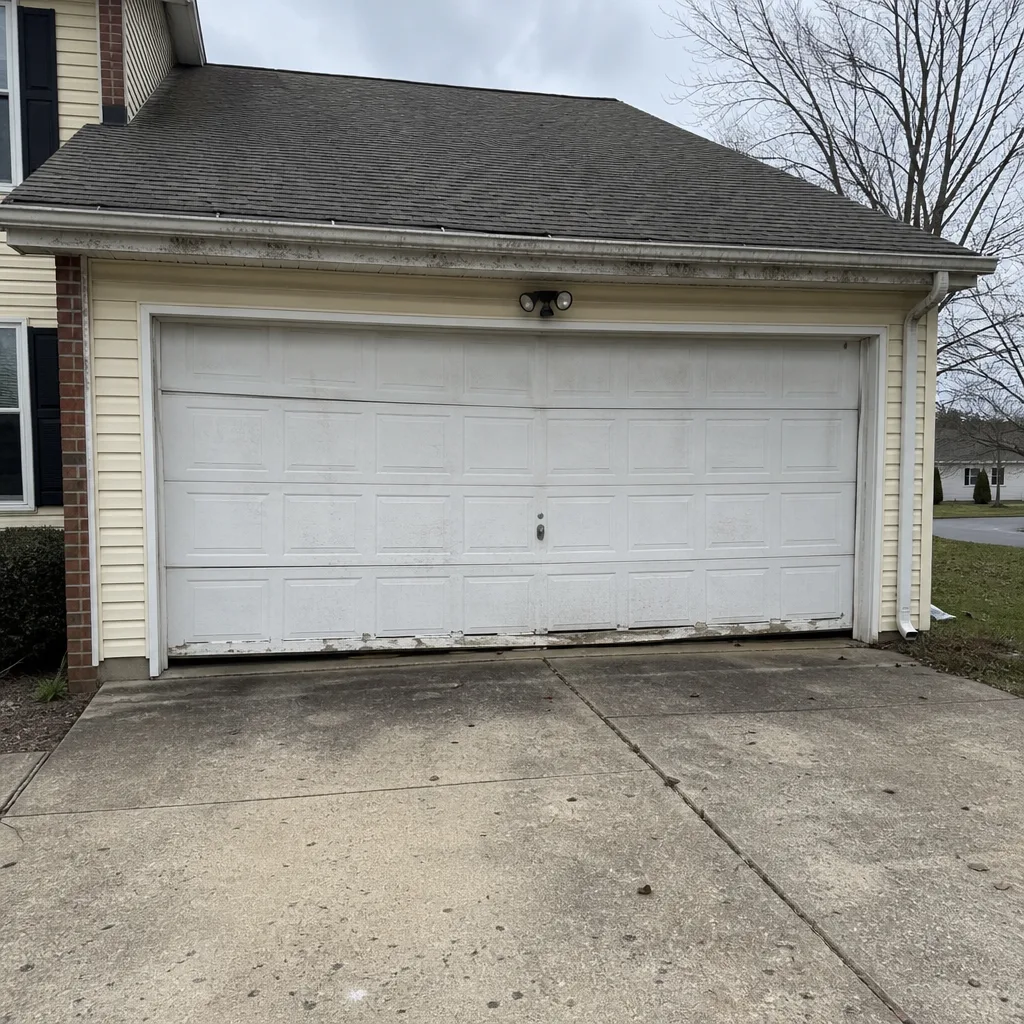 Before
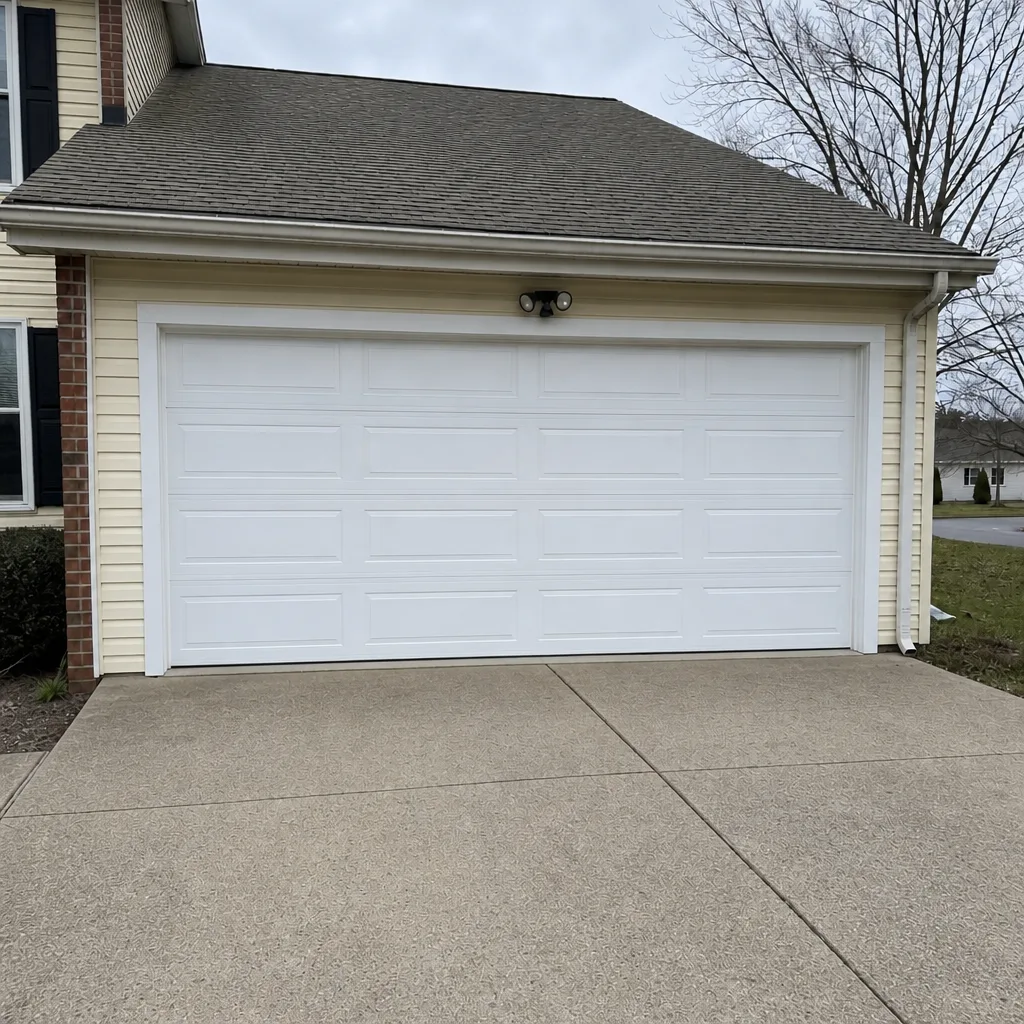 After
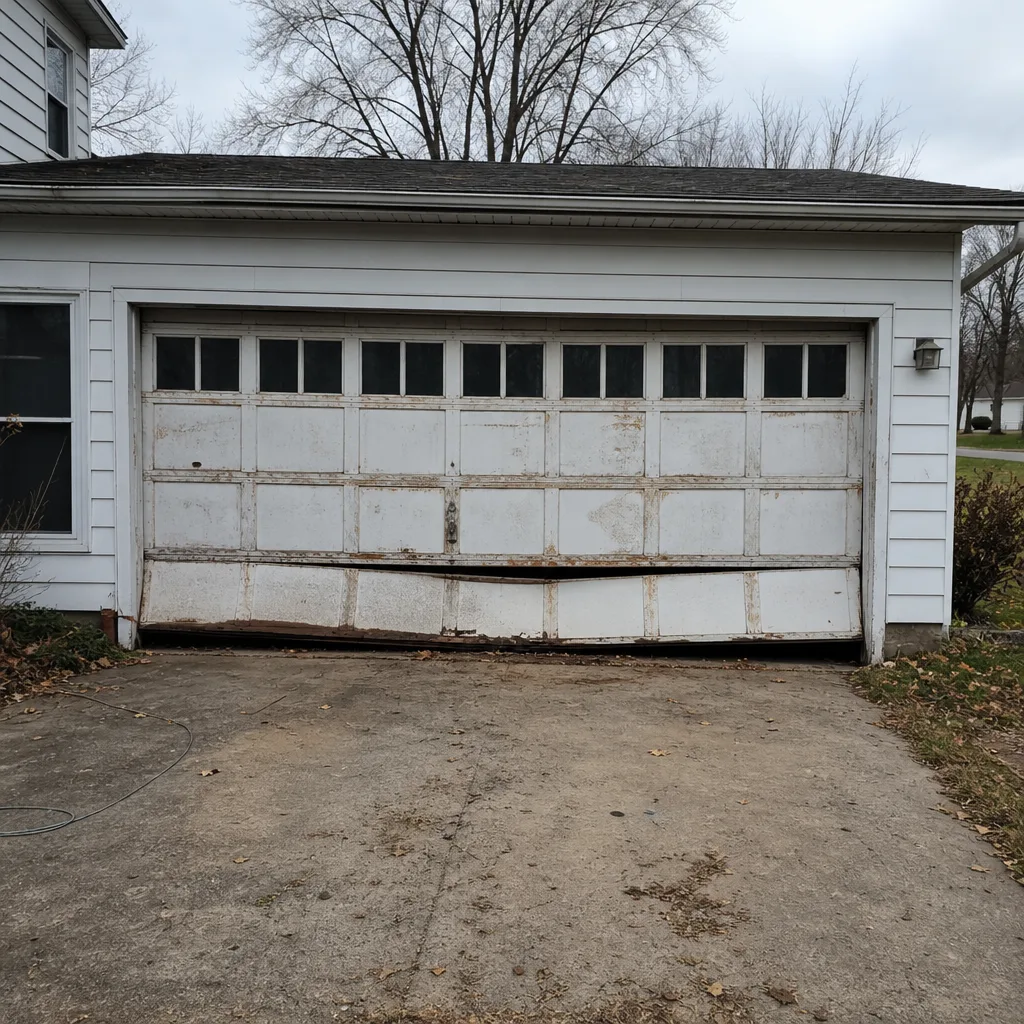 Before
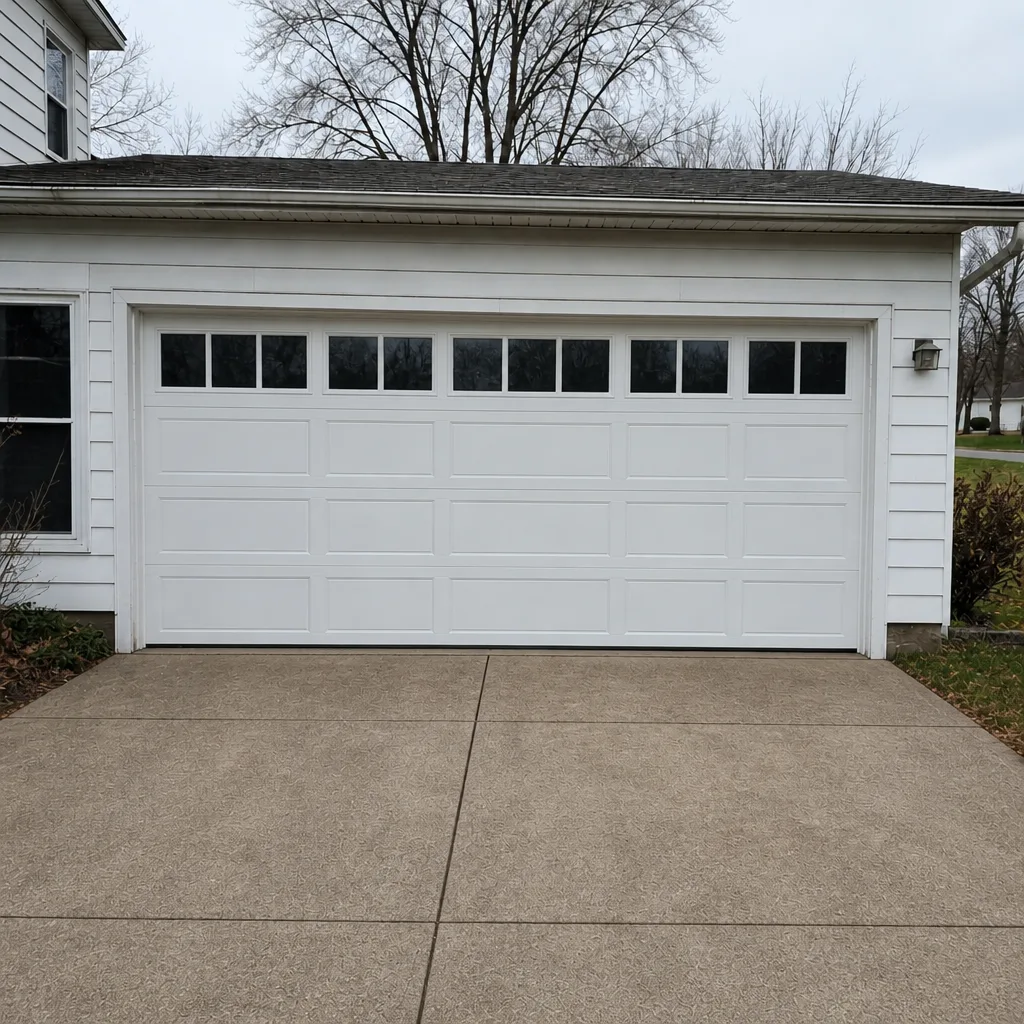 After
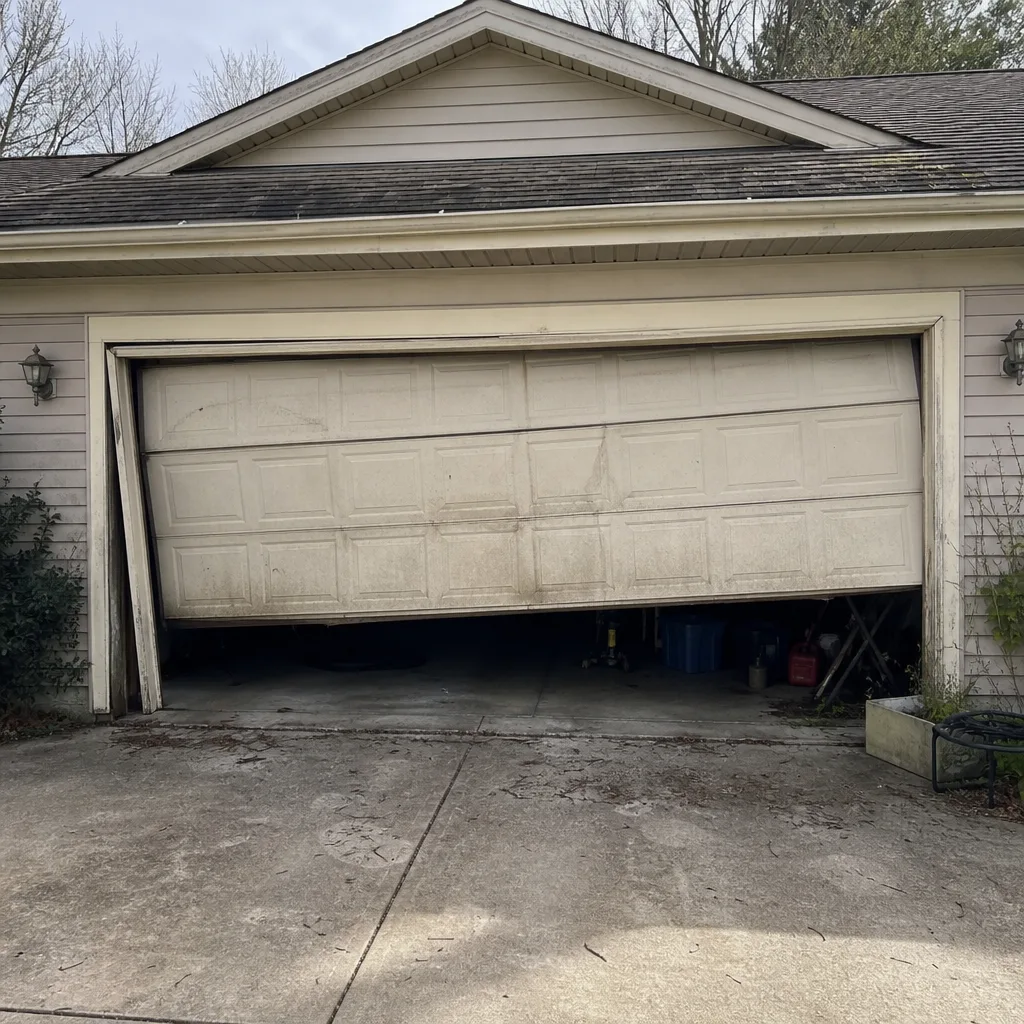 Before
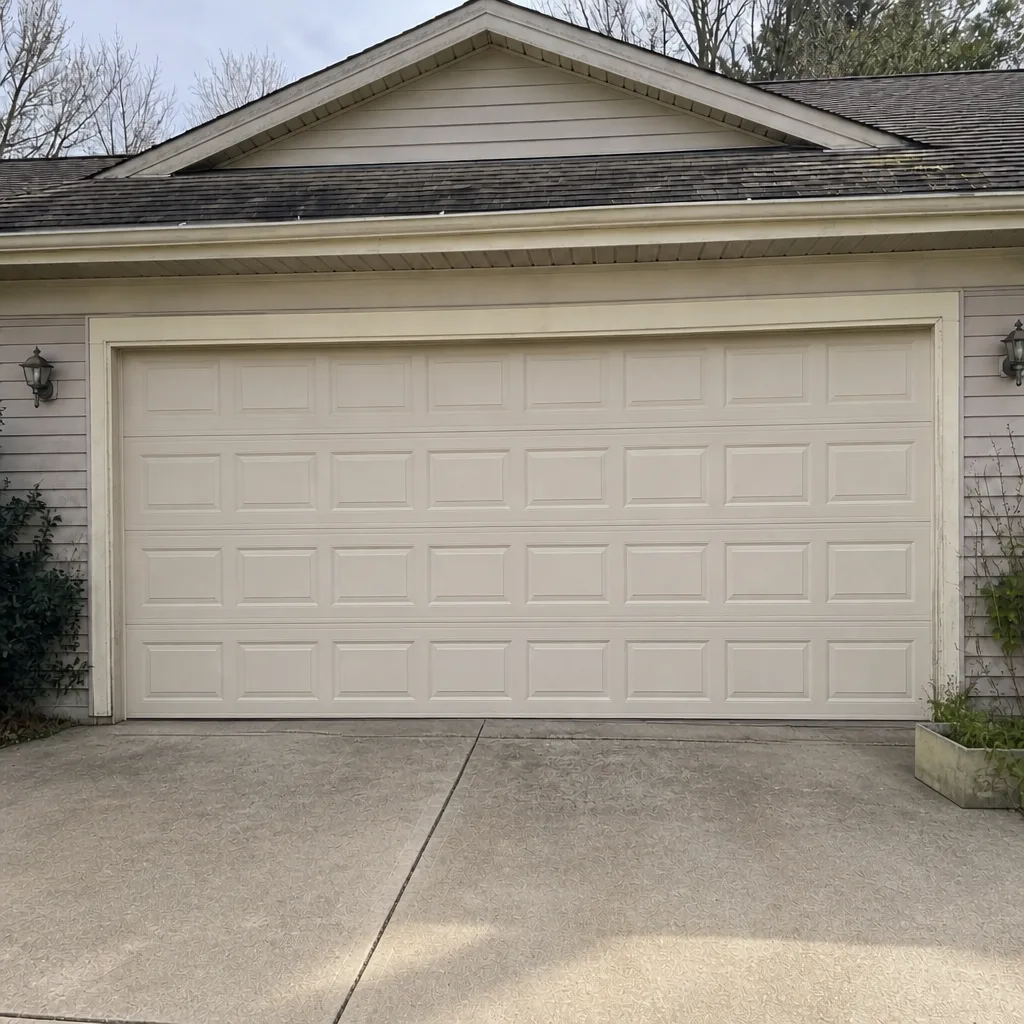 After
When to Call a Professional
Call a professional when you hear a spring tick or snap, see frayed cables, notice uneven movement, find any bend in a track, or see a door reverse before closing with nothing in its path. Call immediately if a door crashes down or a spring has visibly broken. Also call if a sound or movement warning has come back after you’ve cleared it, or if an opener error code returns. These are the signs that a component is failing rather than simply aging, and the difference matters. When your door won’t move, we do, and emergency service is part of how we work. If you’d rather plan the visit than deal with a failure, we can schedule the check and quote the work before anything starts. Garage Door Repair Cedonia offers free estimates in Cedonia. Call (844) 918-2827 to book one.
Frequently Asked Questions
The most common signs we hear about are spring ticking, grinding rollers, uneven movement, a door that reverses before closing, and a visible gap under the weatherstripping. Cedonia’s freeze-and-thaw winters and humid summers tend to bring spring failures in early winter and roller and hinge issues in summer. Any of those signs is worth a check before it becomes a breakdown.
A steady hum and a light rattle are normal; a sharp tick, a loud pop, or grinding that persists after lubrication are not. Map the sound to the part: ticking near the top of the door is almost always a spring, grinding is rollers or hinges, and a pop from the track is a loose mount or a failing hinge. If the sound is new and repetitive, have it looked at. Call (844) 918-2827 for an exact quote – estimates are free.
Reversing with nothing in the path almost always means the safety sensors are misaligned or blocked, or the opener’s travel limits are off. On LiftMaster and Chamberlain models, the sensor LEDs will usually show which one is having trouble. If the sensors check out and the door still reverses, the opener’s force limit is likely tripping on a binding door, and the door itself needs attention. A technician can sort out which one it is on site.
No. Garage door springs are under extreme tension, and a spring that releases unexpectedly can cause serious injury. It’s one of the most dangerous parts of the door to handle, which is why spring repair is a separate, dedicated service with trained specialists. Leave it to a professional.
Not long, and the answer depends on the sign. A minor rattle can wait for a scheduled visit. A ticking spring, a visible cable problem, or a door that crashes down should stop the door being used today. If you’re not sure which category your door falls into, the five-second manual test tells you whether it’s currently safe. Either way, don’t delay long enough to find out the hard way.
Almost certainly yes. Our technicians have up to 14 years of experience working on LiftMaster, Chamberlain, Genie, Clopay, Amarr, Wayne Dalton, Craftsman, and Raynor systems, which covers nearly every residential door and opener in Cedonia. Knowing the specific brand matters for diagnosing error codes, matching seal profiles, and carrying the parts we need on the first visit. If your door is still opening but the signs have started, call (844) 918-2827 for an exact quote – estimates are free.
Garage door failure rarely arrives without warning. It arrives after months of ticking, grinding, uneven lifting, weatherstripping gaps, or false reversals that got dismissed as “just a noise.” In Cedonia, the signs cluster by season: springs fail as winter sets in, seals leak through the wet spring, and rollers and hinges grind through the humid summer. Learning to map the sound to the part, watch the movement, and run the five-second safety test turns you from someone reacting to a broken door into someone who recognizes a failing one. If your door is showing any of these signs, don’t wait for the failure. For garage door installation or a scheduled check on a door that’s on its last legs, the written quote comes before any work begins, and you’ll know the price before we pick up a tool. garage door installation is measured and scheduled, so ask for a free measure and a written price. Call (844) 918-2827 to book a free estimate with Garage Door Repair Cedonia today. Written by the team at Garage Door Repair Cedonia.The Bottom Line
Request a Free Estimate in Cedonia
Tell us what you need - Garage Door Repair Cedonia responds fast. No obligation.