Last updated November 21, 2026
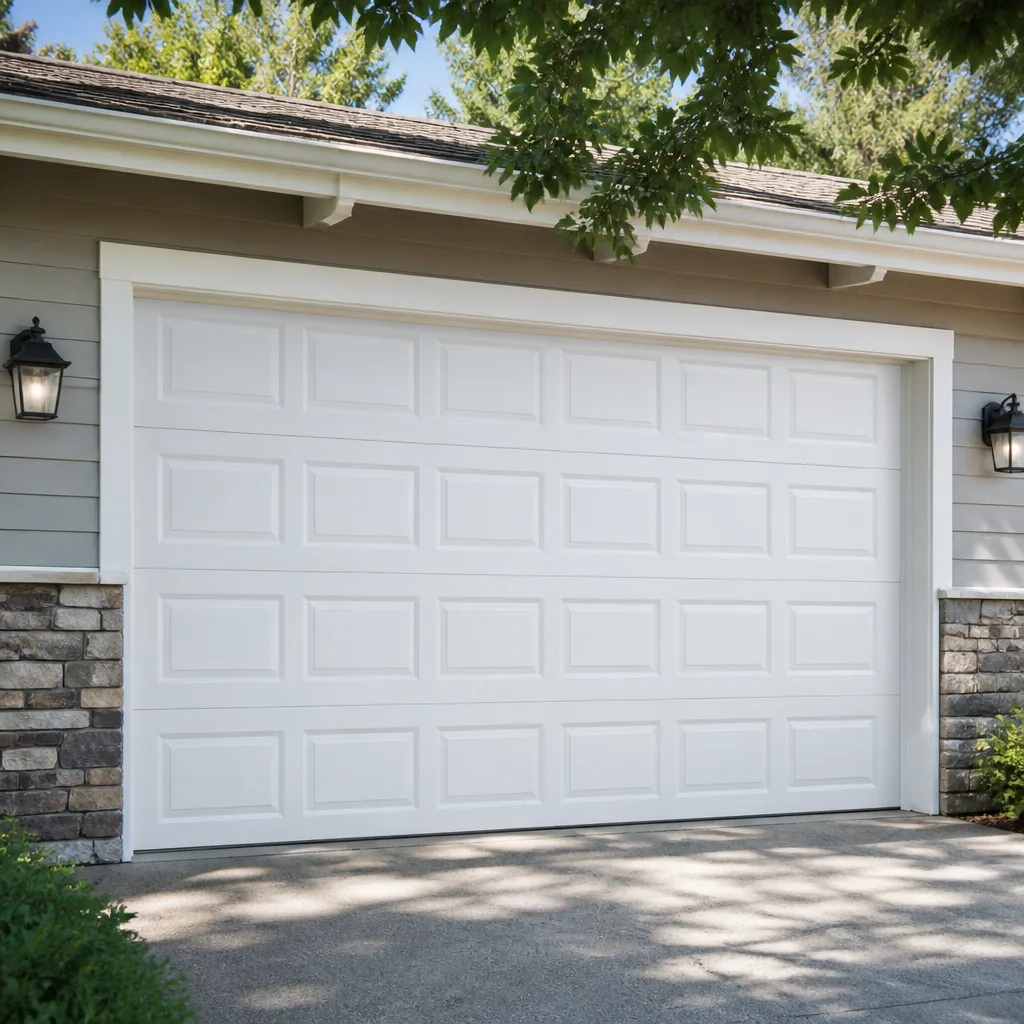 Raised-panel steel
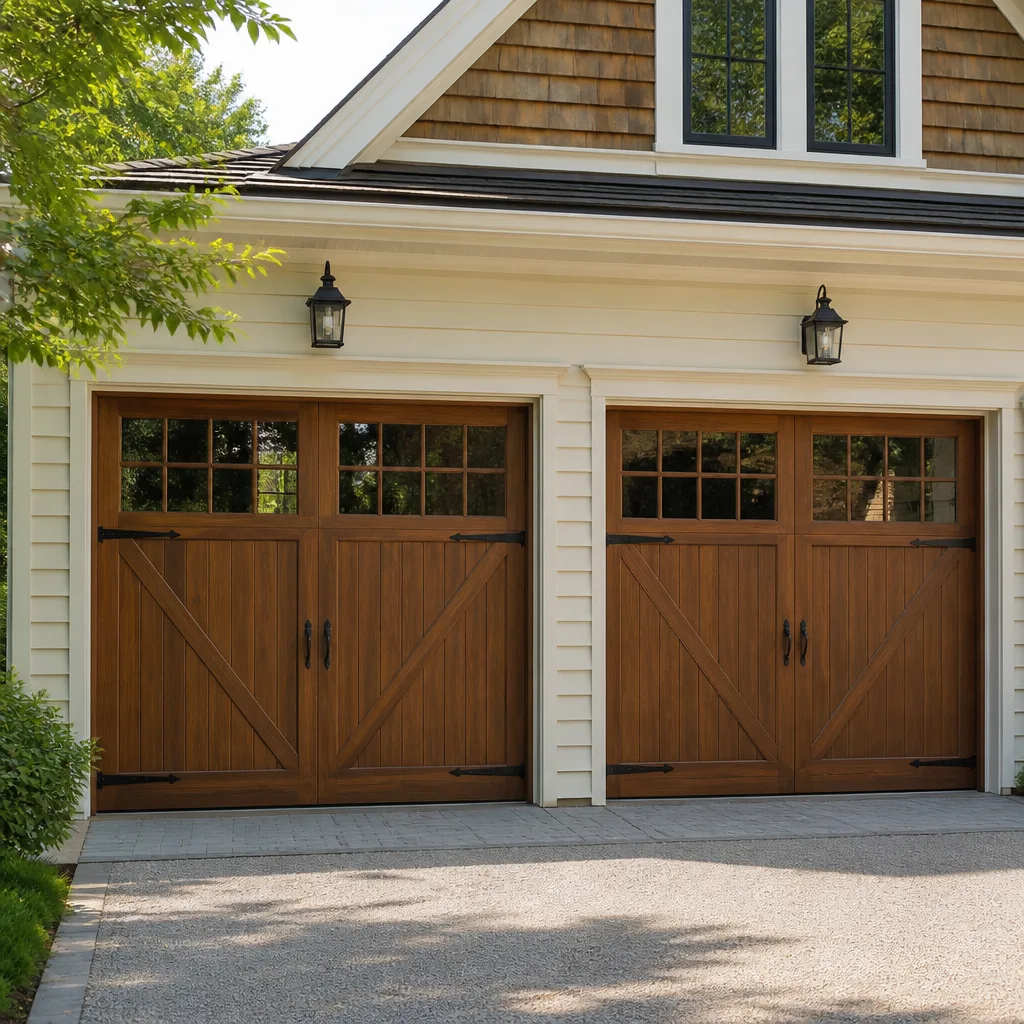 Carriage house
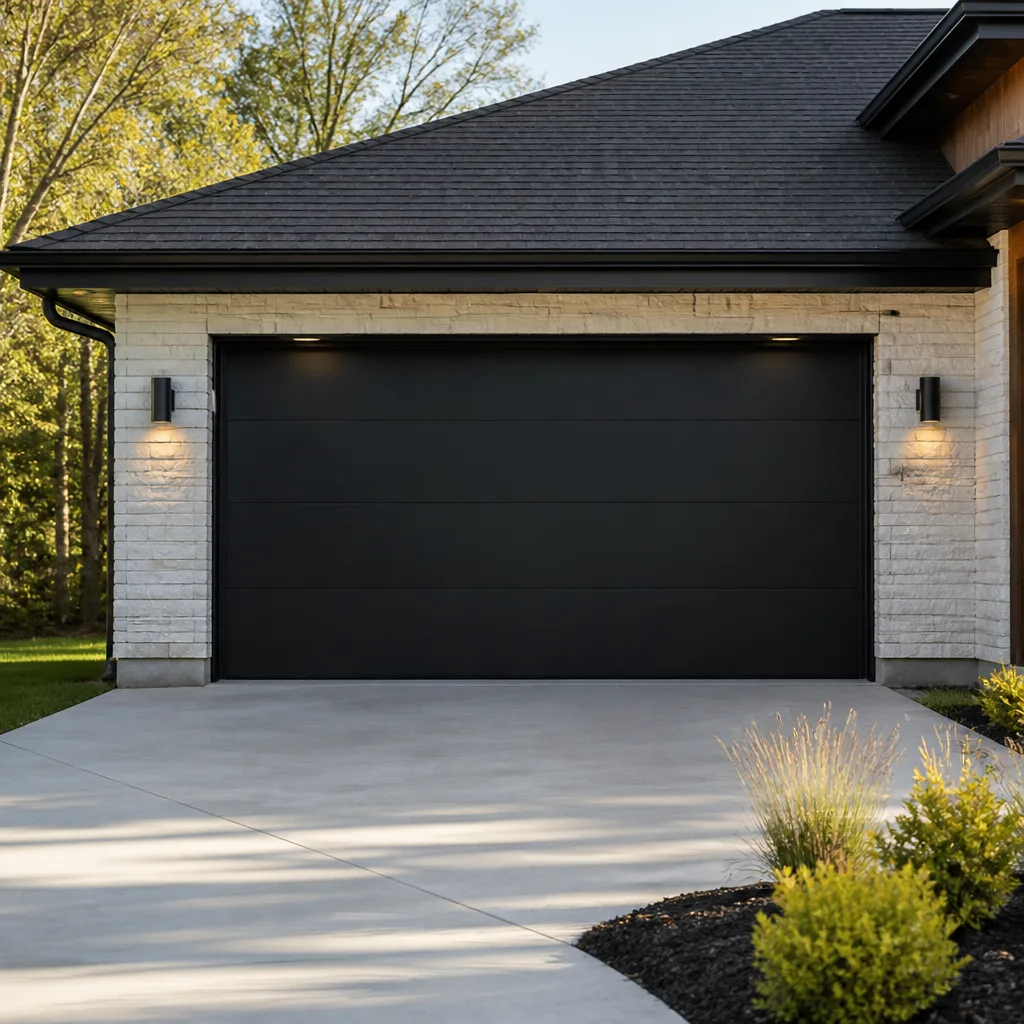 Modern flush
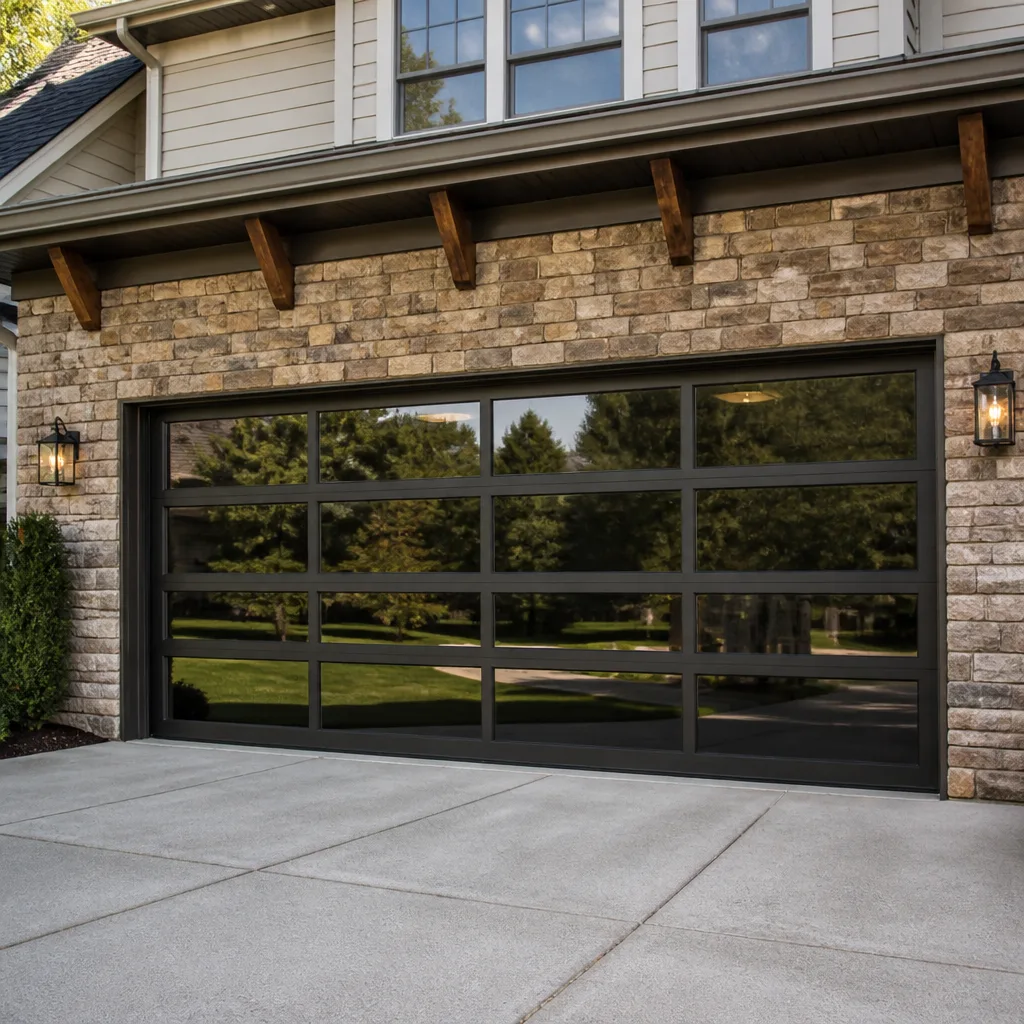 Full-view glass
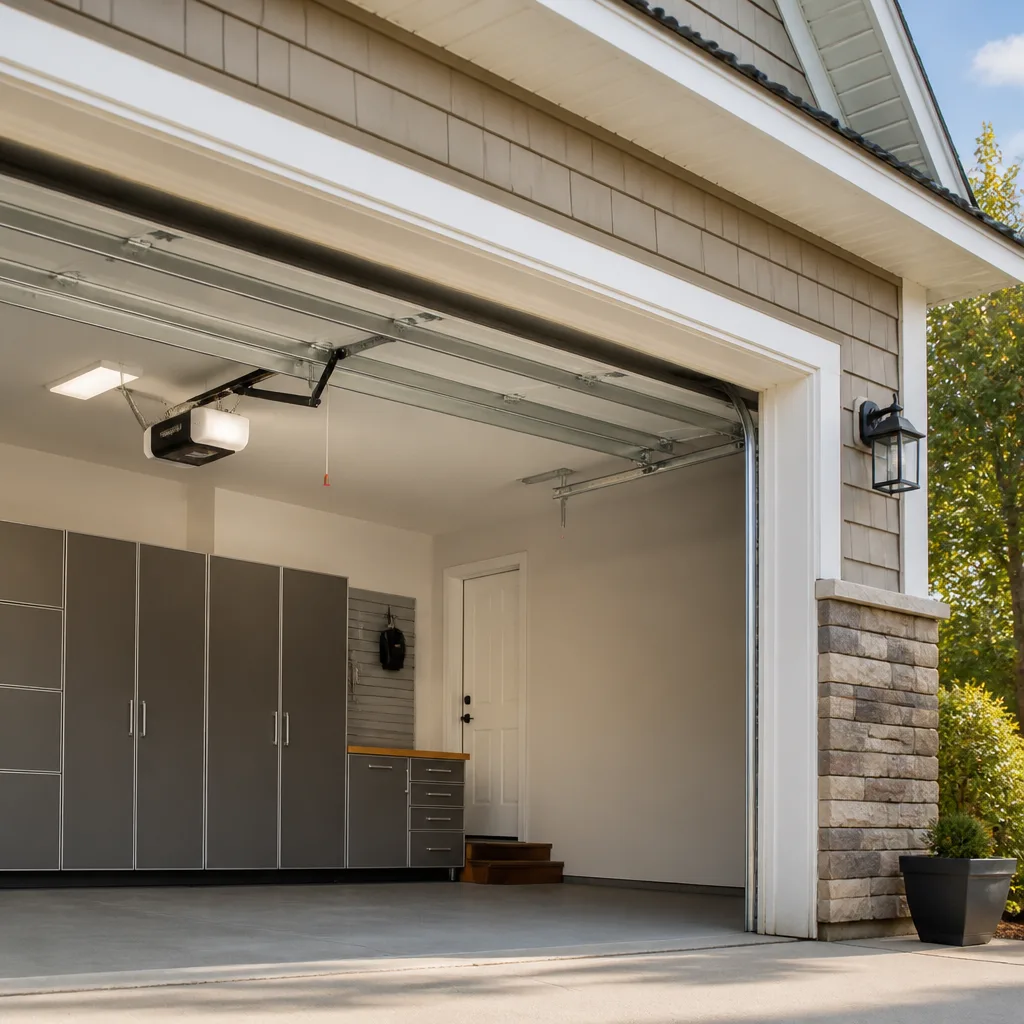 LiftMaster openers
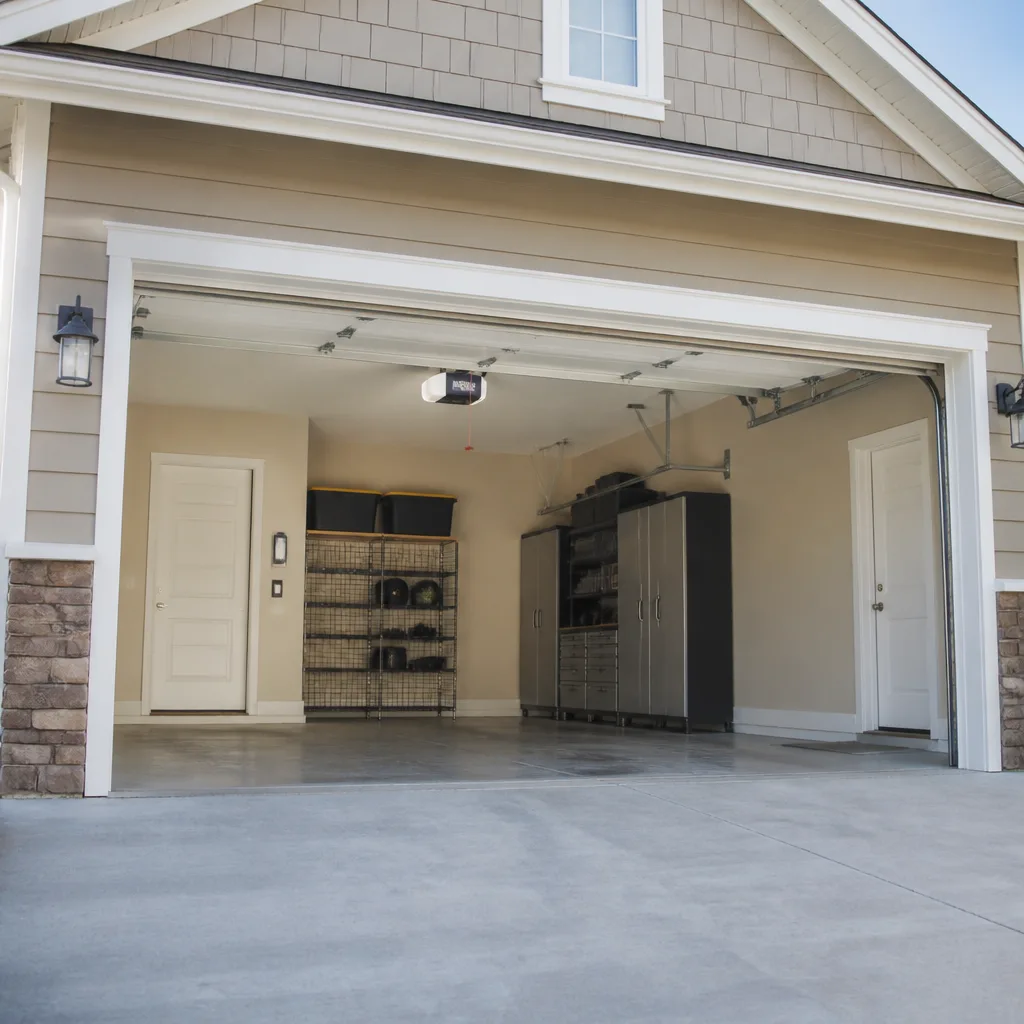 Chamberlain openers
Full 25-point door and opener safety check with every visit - springs, cables, rollers, tracks, and your LiftMaster or Chamberlain opener included
You get a price before we start. It does not change when the pro arrives.
Get your free estimateHow to Hire a Garage Door Contractor in Cedonia: A Step-by-Step Guide
Maryland does not require a specialty license to work on garage doors. Anyone with basic tools can legally show up at your house and start work on a 200-pound torsion spring system. That’s the part most Cedonia homeowners don’t know when they start calling around, and it changes how you should vet a contractor entirely. Credentials won’t separate a specialist from a generalist here, because there’s almost no paper barrier to entry. What separates them are operational signals: how they talk about brands, what their written estimates itemize, where they actually dispatch from, and what they tell you on the first phone call. This guide walks you through exactly what to ask and what to watch for, step by step, so you hire someone who knows your door instead of someone learning on it.
Quick Answer
To hire a garage door contractor in Cedonia, focus on operational signals rather than licenses, since Maryland doesn’t require a garage door specialty license. Ask about brand fluency across makers like LiftMaster and Chamberlain, demand a written estimate that separates parts from labor, verify the company actually serves the area instead of dispatching from elsewhere, and confirm warranty terms and emergency availability before anyone touches your door. The contractor who answers these clearly is the one you hire.
Styles & brands we work with
- Raised-panel steel
- Carriage house
- Modern flush
- Full-view glass
- LiftMaster openers
- Chamberlain openers
Table of Contents
- Why Maryland Doesn’t License Garage Door Work, and What That Means for You
- Step 1: Ask About Brand Fluency, Not Brand Loyalty
- Step 2: Read the Written Estimate Line by Line
- Step 3: Tell Real Local Experience From a Lead Aggregator
- Step 4: Spot Red Flags on the First Phone Call
- Step 5: Test Whether Emergency Availability Is Real
- Why Spring Work Deserves Extra Scrutiny
- Your Final Vetting Checklist Before You Book
Why Maryland Doesn’t License Garage Door Work, and What That Means for You
In Maryland, there’s no state-issued specialty license you can check to confirm a garage door contractor is qualified for the trade. That’s the single most important fact in this whole guide, because it means the usual “are you licensed?” question doesn’t do the work it does when you hire an electrician or a plumber. Anyone can legally advertise garage door repair in Cedonia and start the job. Your vetting has to go deeper.
This is not a reason to panic. Plenty of experienced, careful technicians work without a designated specialty credential because the state doesn’t offer one. It’s a reason to change your questions. Instead of asking whether they’re licensed, ask what specifically they’ve worked on, how long they’ve been doing it hands-on, and how they handle the parts and procedures that carry the most risk.
Here’s what that looks like in practice:
- Ask about training on the specific system in your garage. A technician who has opened thousands of doors knows how a torsion spring behaves when it’s under load. That knowledge comes from reps, not paperwork.
- Ask what a typical week of work looks like. A generalist handyman who “also does garage doors” splits time across many trades. A specialist does this every working day.
- Ask which brands they see most. The answer tells you whether they’re fluent in the systems actually installed in Cedonia homes or just repeating a brand name off an ad.
- Confirm insurance and bonding directly. Even without a specialty license, a legitimate operator should be able to tell you they carry coverage. Ask, and don’t take “of course” for an answer. Ask for the specifics in writing.
In our experience, the surest sign of a real specialist is that the answers to these questions come quickly and specifically. Someone who does garage door repair in Cedonia day in and day out doesn’t need to think about whether they’ve handled a Chamberlain belt drive or a Raynor spring setup. They know.
Step 1: Ask About Brand Fluency, Not Brand Loyalty
A contractor who works comfortably across several major brands will diagnose your door faster than a one-brand specialist. That’s counterintuitive, since you might assume a single-brand focus means deeper expertise. It usually doesn’t. Most garage doors and openers are mixed systems: you might have a Clopay door with a LiftMaster opener, or a Raynor door and a Chamberlain unit. A technician who only knows one brand will spend the first visit figuring out the other half.
When you call, ask which brands they work on most. Listen for range, not a single name. A technician fluent in the major systems can tell you why one opener’s travel limits drift after a power outage while another’s don’t, or how the spring setup on one door style differs from another. That brand-specific familiarity does something practical: it means the technician arrives knowing the quirks of your hardware instead of troubleshooting from scratch.
What to actually ask:
- “Which brands do you handle?” A strong answer names the big ones naturally, like LiftMaster, Chamberlain, Genie, and Clopay, because those are what fill local driveways.
- “What’s the failure pattern on my brand’s opener?” A real technician can tell you the common failure points for your unit, whether it’s a stripped gear, a worn belt, or a logic board issue.
- “Do you keep the parts I’ll likely need?” Brand fluency means the right parts show up the first time, which cuts repeat visits.
- “Have you worked on this door type before?” Sectional, carriage-house, and single-panel doors each behave differently. Ask.
In our experience, the technician who can talk specifics about Craftsman and LiftMaster systems, and explain how their openers differ under load, is the one who will fix yours without a second trip. If you’re still sorting out an opener problem, it’s worth reading up on garage door opener repair before you call, so you know what a good answer sounds like.
Step 2: Read the Written Estimate Line by Line
A good written estimate separates parts from labor, itemizes what’s being replaced, and states the warranty. A flat-rate quote that just says “spring replacement: $X” hides two things: what the parts actually cost and how much labor is baked in. Sometimes that flat rate works in your favor. Often it’s padding. Either way, you can’t tell without a breakdown.
Ask for the estimate in writing before any work starts. The written estimate should set the final price, not a rough idea you’ll be invoiced above later. When you look at it, here’s how to read it:
- Parts listed separately from labor. You should see the spring, cable, roller, or opener part as its own line, with labor as its own line. A single lump sum with no breakdown is a yellow flag.
- Specific part description. Not “spring” but which spring for which door, and how many. A matched pair of springs replaced together costs about twice a single spring, and the estimate should make clear which you’re getting.
- Warranty terms spelled out. How long does the part last, and how long does the workmanship carry? “It’s covered” isn’t a warranty term. Ask for the number of months.
- No pressure line. A legitimate estimate doesn’t require a decision before the technician has even seen the door. A phone quote is a placeholder, not a real price. The in-person assessment comes first.
If you’re replacing the whole door rather than repairing it, the same principle applies: the estimate should break down the door, the hardware, the opener if there is one, and the labor. The price you’re quoted and agree to in writing is the price you pay. For a full replacement, it’s worth reading about garage door installation so you understand what’s normally itemized and what isn’t. When you’re ready for a number, call us at (844) 918-2827 for a free estimate in Cedonia.
Step 3: Tell Real Local Experience From a Lead Aggregator
Plenty of the company names you find online for garage door work in Cedonia aren’t actually local companies. They’re lead aggregators or call centers that route your request to a subcontractor who may be dispatching from well outside the area. That’s not automatically a scam, but it changes what you should expect, and it’s hard to spot unless you know what to ask.
Here’s how to tell them apart:
- Ask where the technician is coming from. A real local operation knows the area and can tell you how it handles scheduling. A call center usually can’t answer a specific question about your neighborhood or how far out they’re routing the job.
- Ask the same question twice, to two people. Aggregators often have a different person answer each time. If the details shift, take note.
- Look for operational specificity. Real local experience sounds like knowing which nearby towns they cover and how quickly they can get parts. Generic language is a sign the company is a dispatcher.
- Ask if the same company does the repair and the installation. A single-source operation handles both. An aggregator calls a different subcontractor for each job type.
One more give-away: an aggregator will often push hard to lock in an appointment before anyone has looked at your door. A real specialist is comfortable with you asking questions first and getting a written assessment second. For an urgent situation, same-day garage door repair is worth asking about, but the answer should come with specifics, not a generic “we’ll get someone out there.”
You can organize this as a short list: ask for the company name twice, ask where the technician is coming from, and ask whether the installer and the repair technician are the same team. If the answers line up, you’re dealing with a real local operation.
Step 4: Spot Red Flags on the First Phone Call
Most bad hires announce themselves in the first 90 seconds. The tells are usually about sourcing, warranty, and pressure. Here are the red flags to listen for, and what each one actually signals.
Vague part sourcing. “We’ll use whatever fits” or “we’ll pick up a spring” is not an answer. A specialist knows the correct spring for your door and why. If the person on the phone can’t tell you the brand or type of part that will go in, they’re either guessing or planning to use a generic replacement that may not match your system.
No mention of warranty. Ask directly: “What warranty comes with this?” If the answer is vague or nonexistent, that’s a real flag. A specialist stands behind their parts and labor with a stated term.
Pressure to decide before the in-person assessment. A phone quote is a placeholder. Anyone pushing you to commit and pay before a technician has looked at the door is asking you to buy a price they can’t actually guarantee. The written estimate after the assessment is what matters.
Reluctance to name a brand or explain the fix. If they can’t tell you why the door is failing, they probably can’t fix it either. Ask “what’s the likely cause?” and see whether the answer is specific.
Only one technician, no backup. If the person on the phone is also the only person who does the work, ask what happens if the job needs a second visit. A real operation has coverage.
In our experience, the tell on a first call is specificity. The right contractor tells you which brands they work on, what fails on your system, and what the estimate will cover. If the first call leaves you with more questions than you can answer, call a second contractor. For reference, the Garage Door Repair Cedonia page is a useful starting point if you want a baseline for what a specific, confident answer sounds like before you call around.
Step 5: Test Whether Emergency Availability Is Real
A lot of companies advertise “emergency” or “24/7” service without actually offering it. Same-day availability matters when your door is stuck open or won’t close, but the marketing and the reality don’t always match. Here’s how to tell whether emergency service is genuinely offered or just a claim on a website.
Ask these directly:
- “If my door fails today, can someone actually come out?” A real emergency offering gets you a clear yes and a way to reach the right person, not a generic “we’ll see what we can do.”
- “What happens if I call outside normal hours?” If emergency service is real, there’s a way to reach it. If the answer is “leave a message and we’ll call you back tomorrow,” you know what you’re dealing with.
- “Is the emergency technician the same person who does regular repairs?” A single-source operation covers both. A sales operation hands your emergency off to whoever answers the call.
Don’t assume the “24/7” banner means what it says. The specific question is whether the company can get a qualified technician to you when the door won’t move. That’s the difference between a real emergency offering and a phone number that rings a call center. If you’re currently dealing with a door that won’t move, don’t wait on a callback. Call (844) 918-2827 and ask directly whether someone can come out to Cedonia today.
Why Spring Work Deserves Extra Scrutiny
Garage door springs are one of the most frequently mishandled repairs in the trade, and one of the most dangerous. A torsion spring under load stores a large amount of energy. When it fails, it releases that energy suddenly. This is not a component to test or adjust yourself, and it’s not a job most general handymen will take on. If someone offers to handle it without showing specific familiarity with spring systems, that’s a reason to stop.
What you should understand about the job before you hire it out:
- Springs fail from cycles and age, not usually from misuse. A standard residential spring is engineered for a set number of open-and-close cycles. When it reaches that number, it can break suddenly, often while the door is closed.
- Matched pairs are usually replaced together. If one spring fails and the pair is the same age, replacing both together is standard practice. A single-spring price is for one spring; a pair costs about twice that, and the written estimate should make clear which you’re getting.
- The work is high-risk and requires training. A trained technician uses the right tools and knows how to release and re-tension a spring safely. An untrained person can be seriously injured by a spring under load.
- Ask about the spring type and rating. Your estimate should name the type of spring being installed and confirm it matches your door.
We treat spring repair as its own dedicated service for exactly this reason. It’s also a good moment to ask whether the same company handles the rest of the system, since springs, cables, rollers, and openers all wear on the same schedule.
Your Final Vetting Checklist Before You Book
Before you book anyone, run through this list. If a contractor clears all of it, you’re in good shape. If several items fail, keep calling.
- Brand fluency confirmed. They named the major brands they work on and explained what fails on yours.
- Written estimate in hand. Parts and labor are itemized, the part type is named, and the price is agreed before work starts.
- Warranty terms stated. You have a clear term for parts and for labor, in writing.
- Local operation verified. They can answer where the technician comes from and confirm they serve Cedonia.
- Full-service coverage. They handle springs, openers, and full installation, so a future failure doesn’t mean a new contractor.
- Emergency availability confirmed. They gave you a straight answer about what happens if the door fails today.
- Safety answered clearly. They talked about spring work as a trained, specific job, not a quick fix.
If you want to run through a specific concern before you decide, we’re happy to answer questions directly. Call (844) 918-2827 and ask. Estimates are free.
Common Mistakes to Avoid
- Accepting a phone quote as the final price. A price given before anyone looks at the door is a placeholder. The written estimate after an in-person assessment is the number that counts, and you should agree to it before work starts.
- Hiring a one-brand specialist for a mixed system. Most Cedonia homes have a door from one maker and an opener from another. A technician who only knows one brand spends the first visit learning the other half.
- Assuming “licensed” means something here. Maryland doesn’t issue a specialty license for garage door work, so the question doesn’t separate a specialist from a generalist. Ask about experience and brand fluency instead.
- Letting a call center schedule the job. If the company can’t tell you where the technician is coming from, it may be dispatching from outside the area. Ask twice.
- Skipping the warranty question. No stated warranty on parts or labor is a real flag. Ask for a term in writing.
- Underestimating spring risk. A torsion spring under load is not a DIY component. Only a trained technician should touch it, and any contractor who treats it casually is one to pass on.
- Choosing on price alone without a breakdown. A flat-rate quote hides either value or padding, and without a breakdown you can’t tell which. Compare itemized estimates instead.
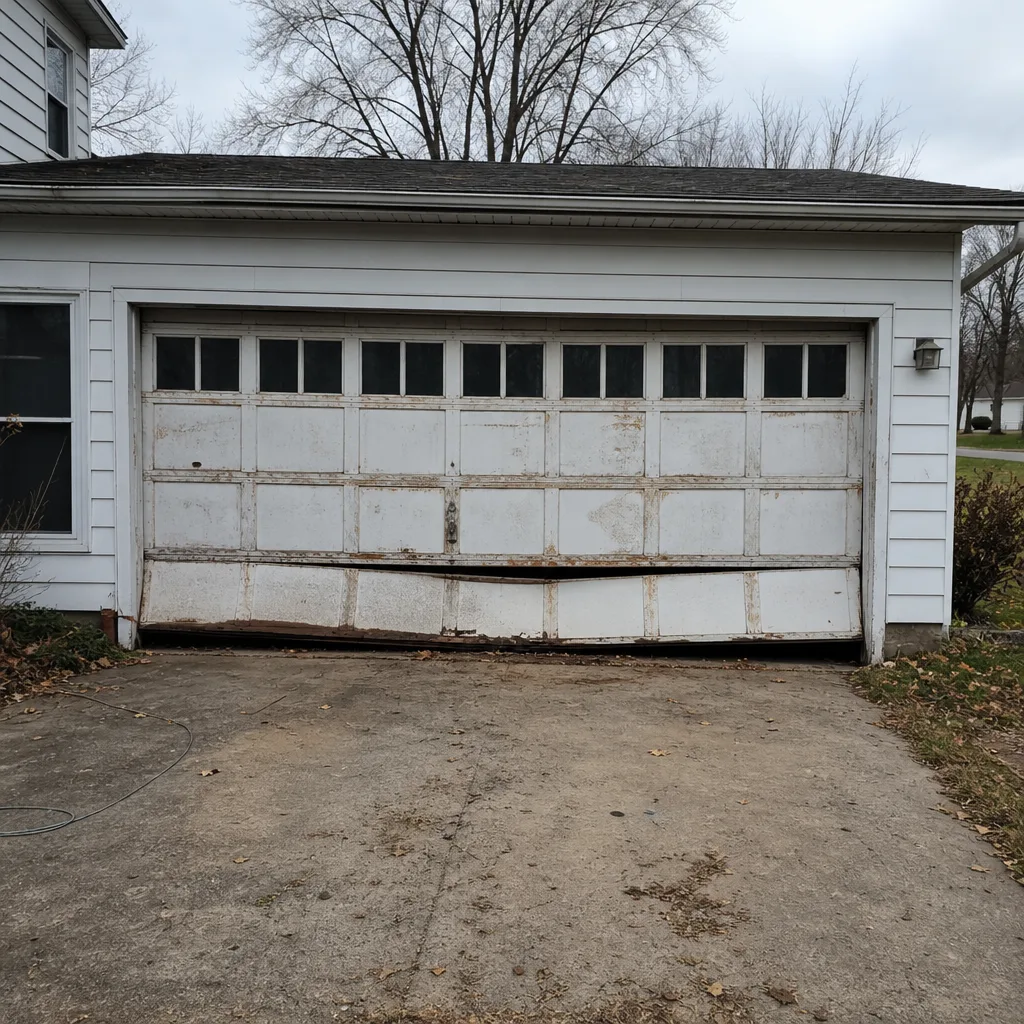
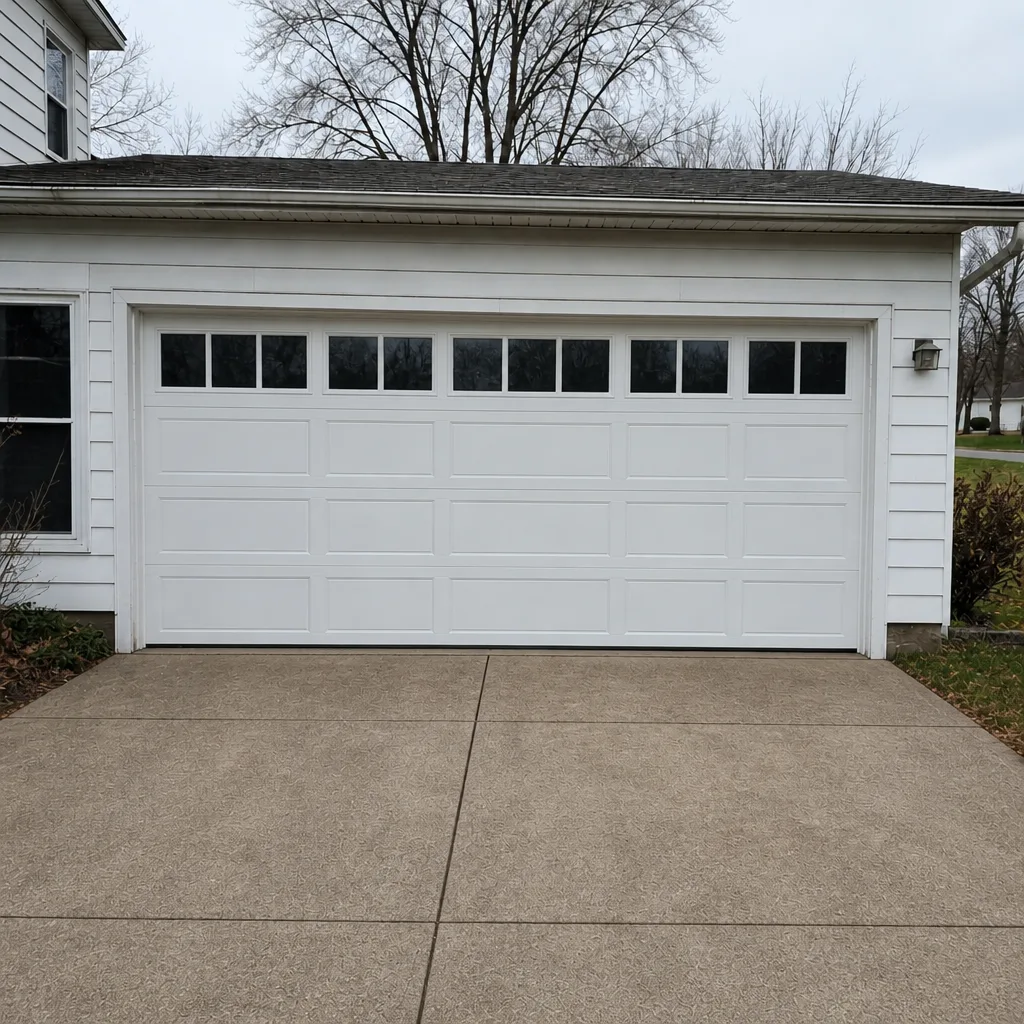
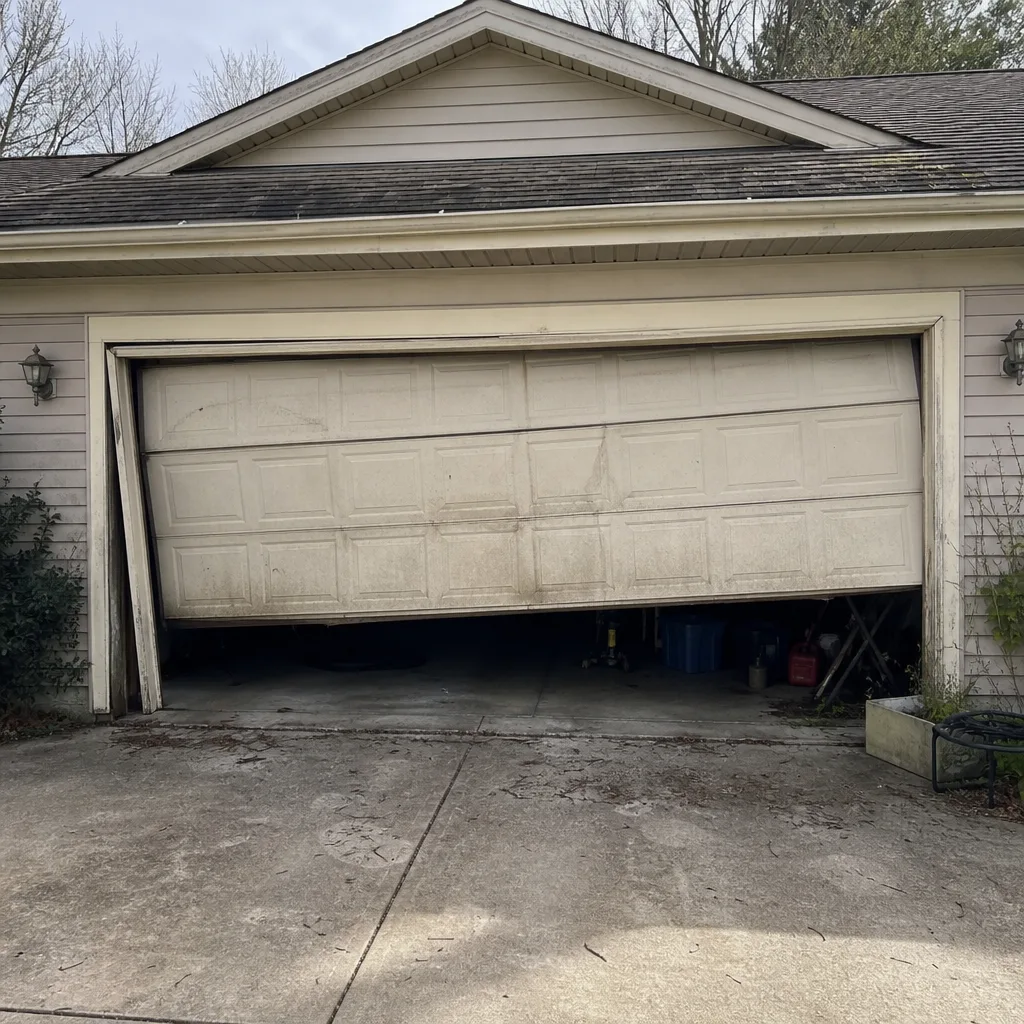
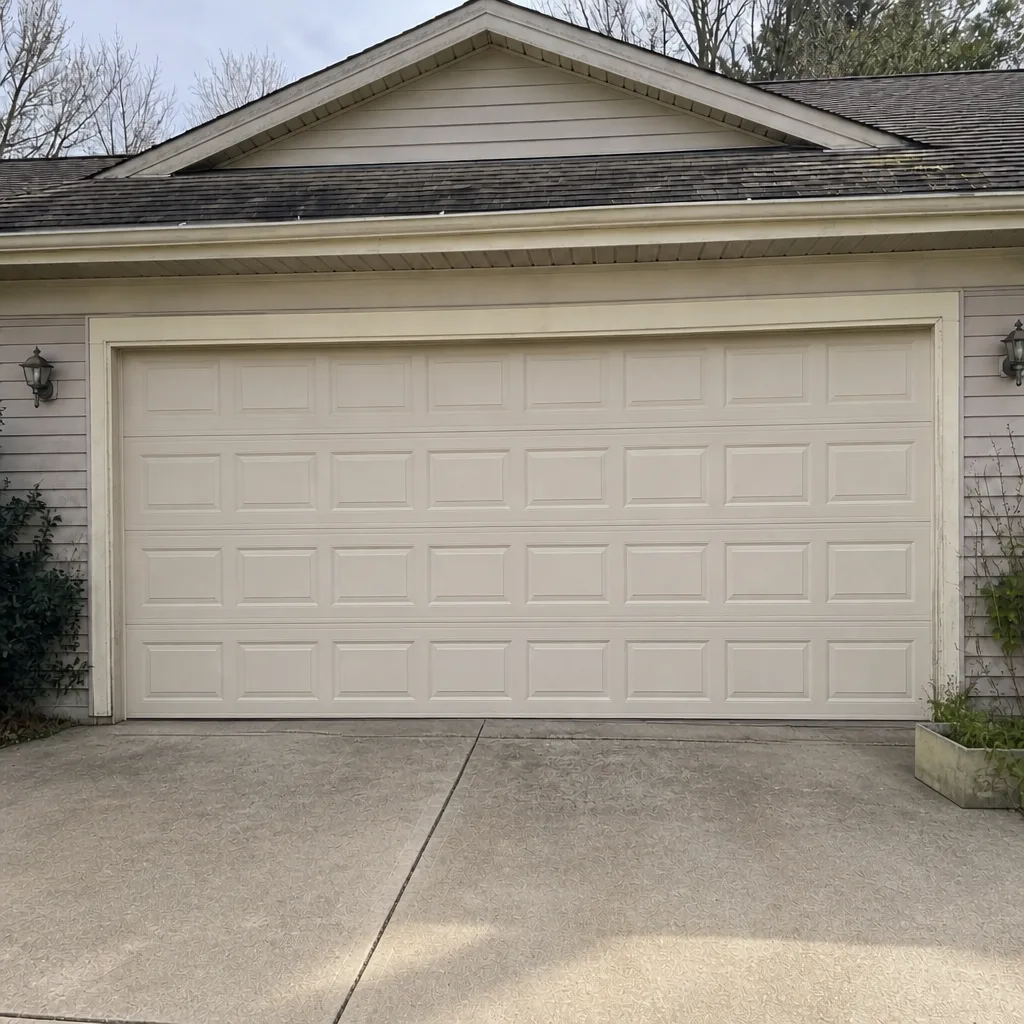
See the difference
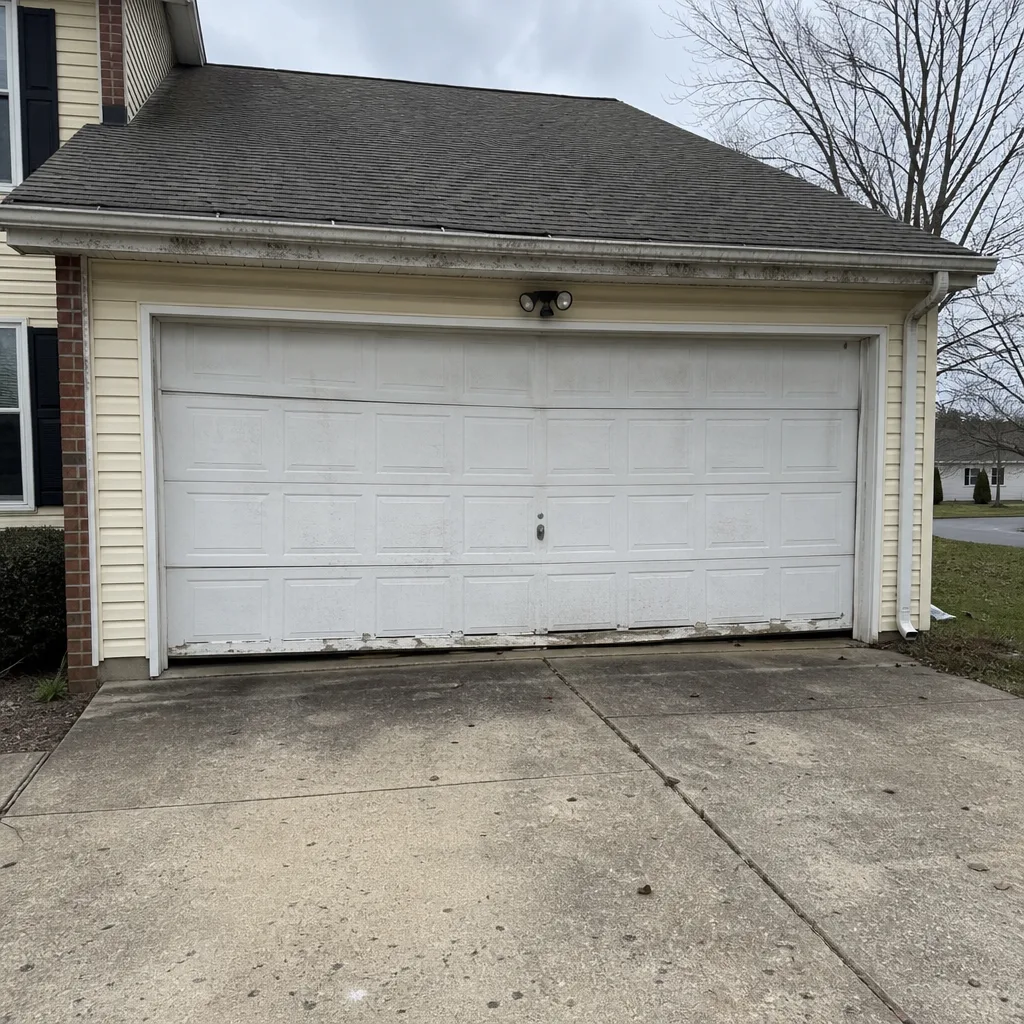 Before
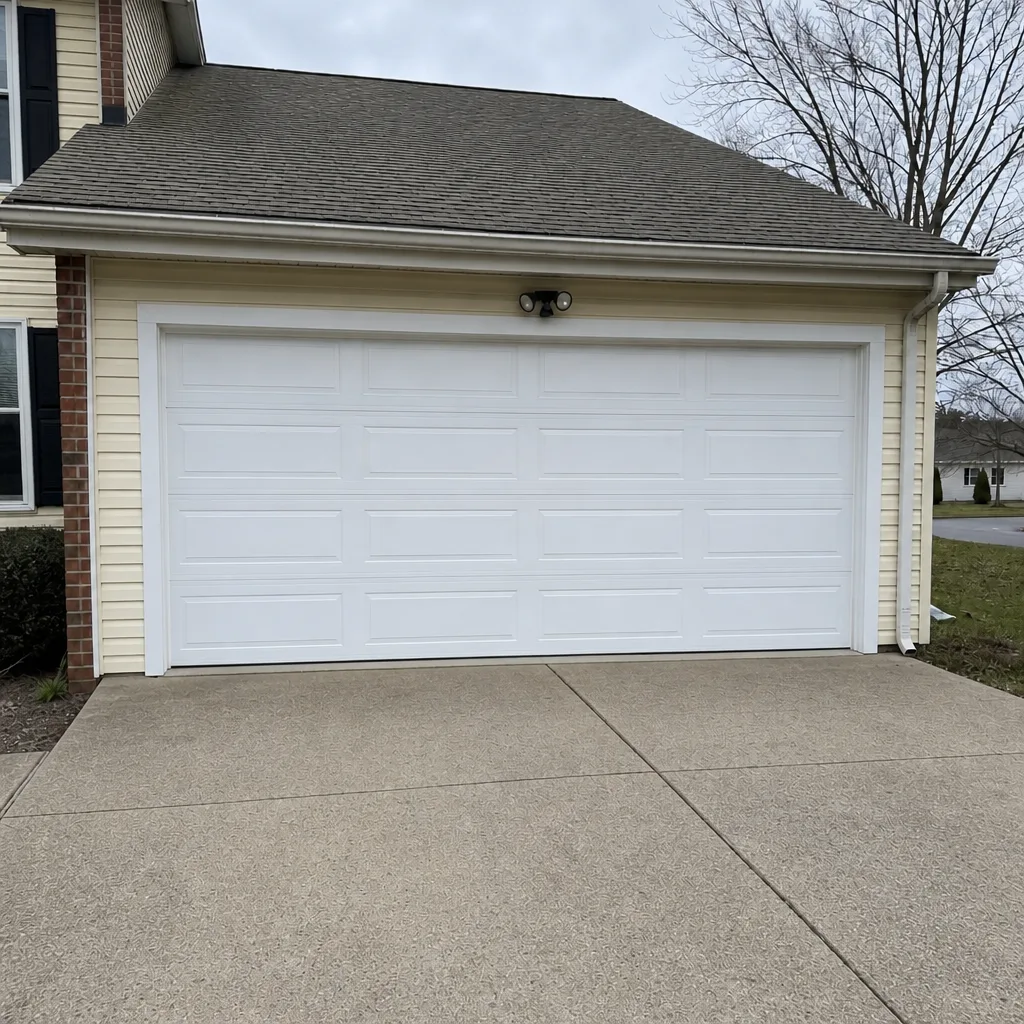 After
 Before
 After
 Before
 After
When to Call a Professional
Some garage door problems are obvious. A door that won’t move at all, a spring that has visibly snapped, a door that reverses halfway down, or an opener that runs but won’t lift anything: those need a technician, not a weekend experiment. Less obvious situations deserve a call too. A door that’s getting harder to lift, a grinding noise from the opener, or a door that’s reached the end of its reliable life and needs replacement all get better outcomes from someone trained on the system. If the door is stuck open and your home is exposed, the urgency is higher. Garage Door Repair Cedonia offers free estimates in Cedonia, and when a door fails, call (844) 918-2827. Our technicians have up to 14 years of experience, and we work on the brands already in your garage.
Frequently Asked Questions
Maryland does not require a specialty license for garage door work, so there’s no state credential to check for this trade. That’s why the hiring decision should rest on operational signals like brand fluency, itemized written estimates, stated warranty terms, and verified local work history instead. Ask those questions directly. Call (844) 918-2827 if you want a qualified assessment before you decide.
A proper quote itemizes parts separately from labor, names the specific part and type, states the warranty term, and sets the final price before work begins. A flat-rate number with no breakdown can hide either value or padding, and you can’t tell which without the detail. Call (844) 918-2827 for a free written estimate in Cedonia.
Ask where the technician is coming from and whether the same company does both the repair and the installation. A real local operation answers specifically. A lead aggregator routes your request to a subcontractor and often can’t answer specifics about the area. If the answers differ between calls, treat that as a flag. Call (844) 918-2827 and ask ours.
Same-day service exists but it’s inconsistently offered, and plenty of “emergency” claims don’t survive a direct question. Ask whether someone can come out the same day, what happens if you call outside normal hours, and whether the emergency technician is the same team that handles regular repairs. Call (844) 918-2827 to confirm availability for your situation.
Spring repair is priced per spring, and a matched pair replaced together costs about twice a single spring, so ask for the estimate in writing before work starts. The estimate should name the spring type and confirm it matches your door. Call (844) 918-2827 for a free estimate.
An experienced technician should work across the major systems, not just one. We work on LiftMaster, Chamberlain, Genie, Clopay, Amarr, Wayne Dalton, Craftsman, and Raynor doors and openers, which covers most residential setups. If you’re unsure which brand you have, call (844) 918-2827 and we can walk you through identifying it.
The Bottom Line
Hiring a garage door contractor in Cedonia comes down to signals, not credentials. Maryland doesn’t issue a specialty license for this work, so ask about brand fluency across makers like LiftMaster and Chamberlain, demand an itemized written estimate that separates parts from labor and states the warranty, verify the company actually serves the area rather than dispatching from elsewhere, and confirm emergency availability directly. Watch for vague part sourcing, missing warranty terms, and pressure to decide before an assessment. Spring work carries real risk and deserves extra scrutiny. When you’re ready, Garage Door Repair Cedonia is here to help. Call (844) 918-2827 for a free estimate, and we’ll get your door back to working order today.
Written by the team at Garage Door Repair Cedonia.