Last updated November 21, 2026
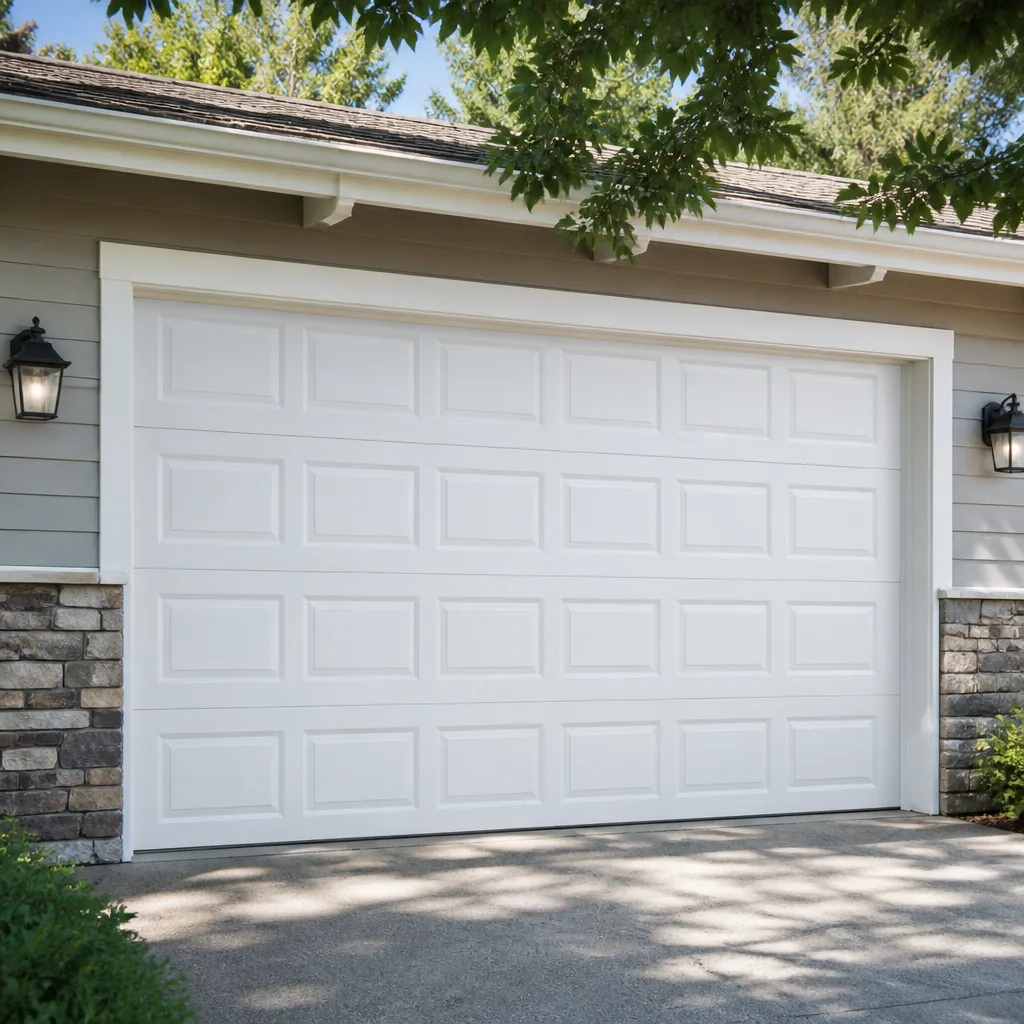 Raised-panel steel
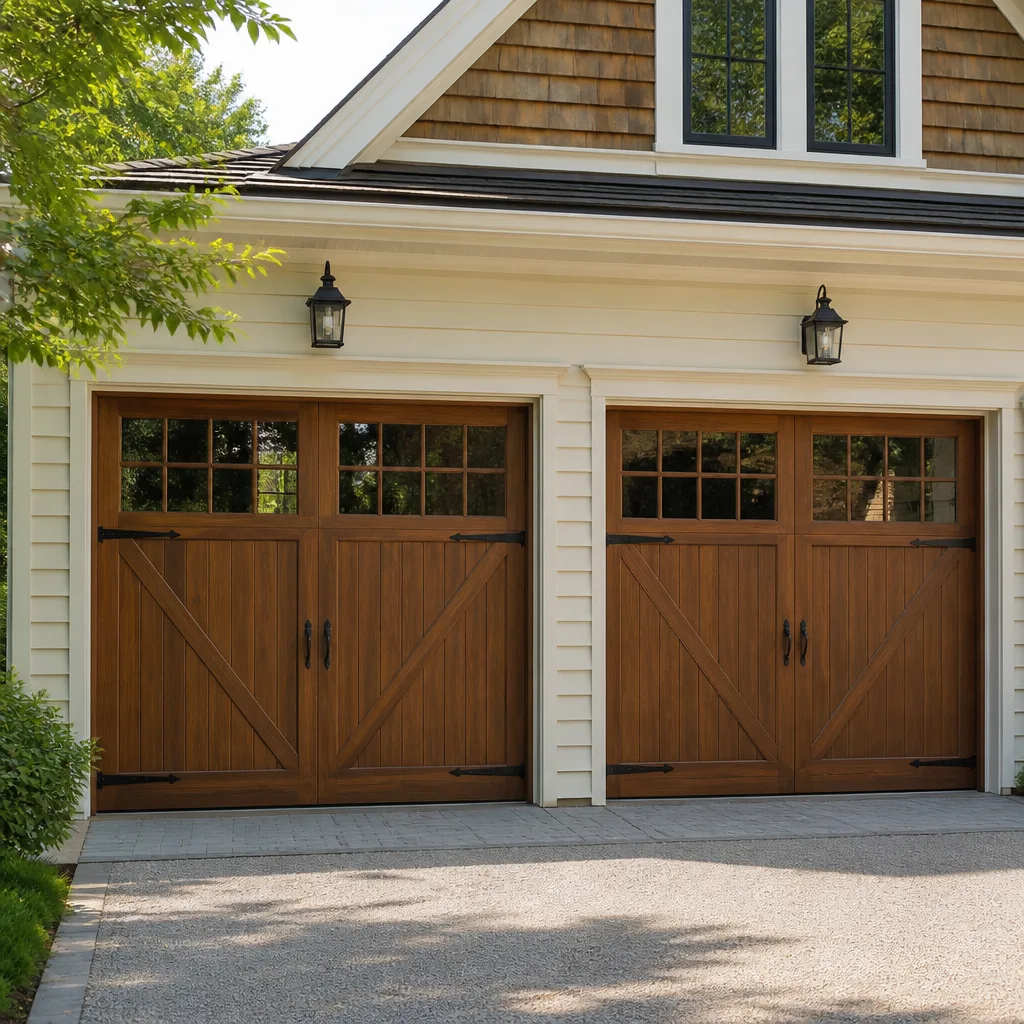 Carriage house
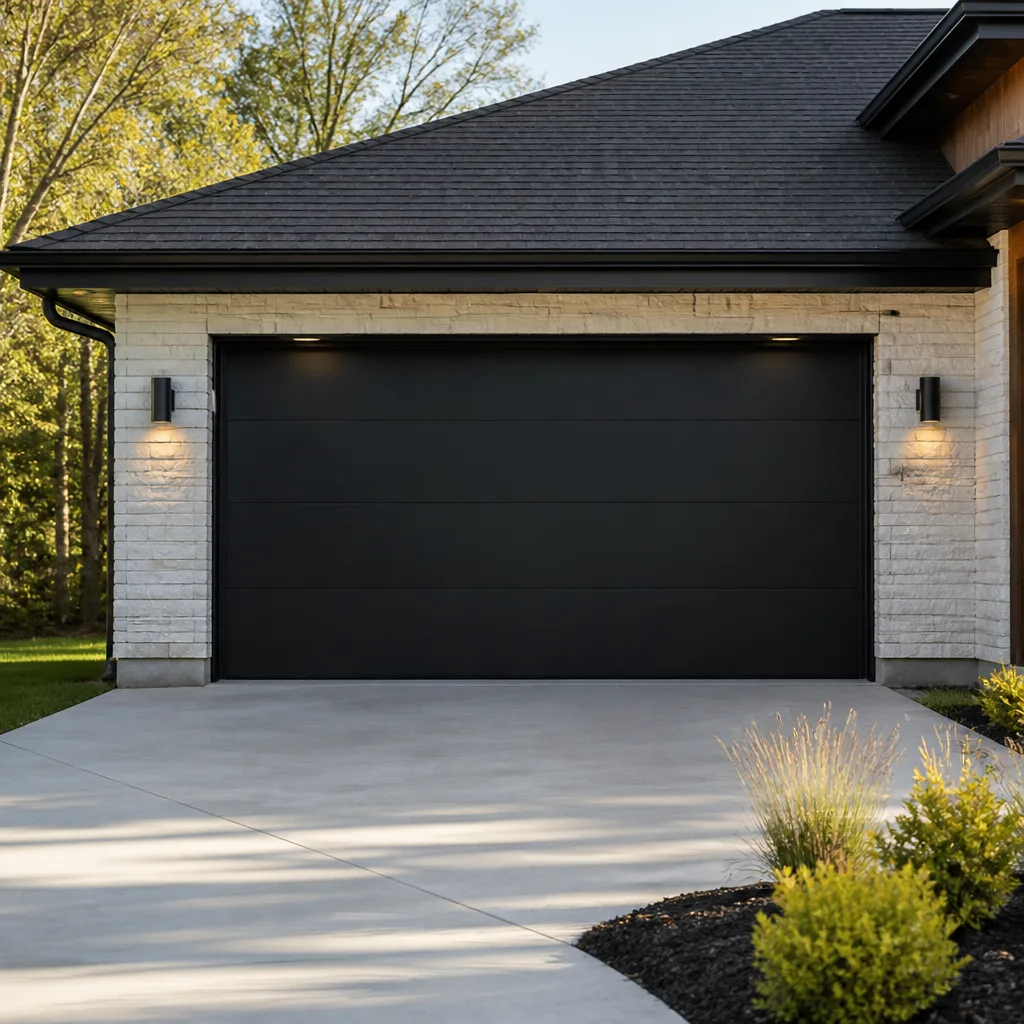 Modern flush
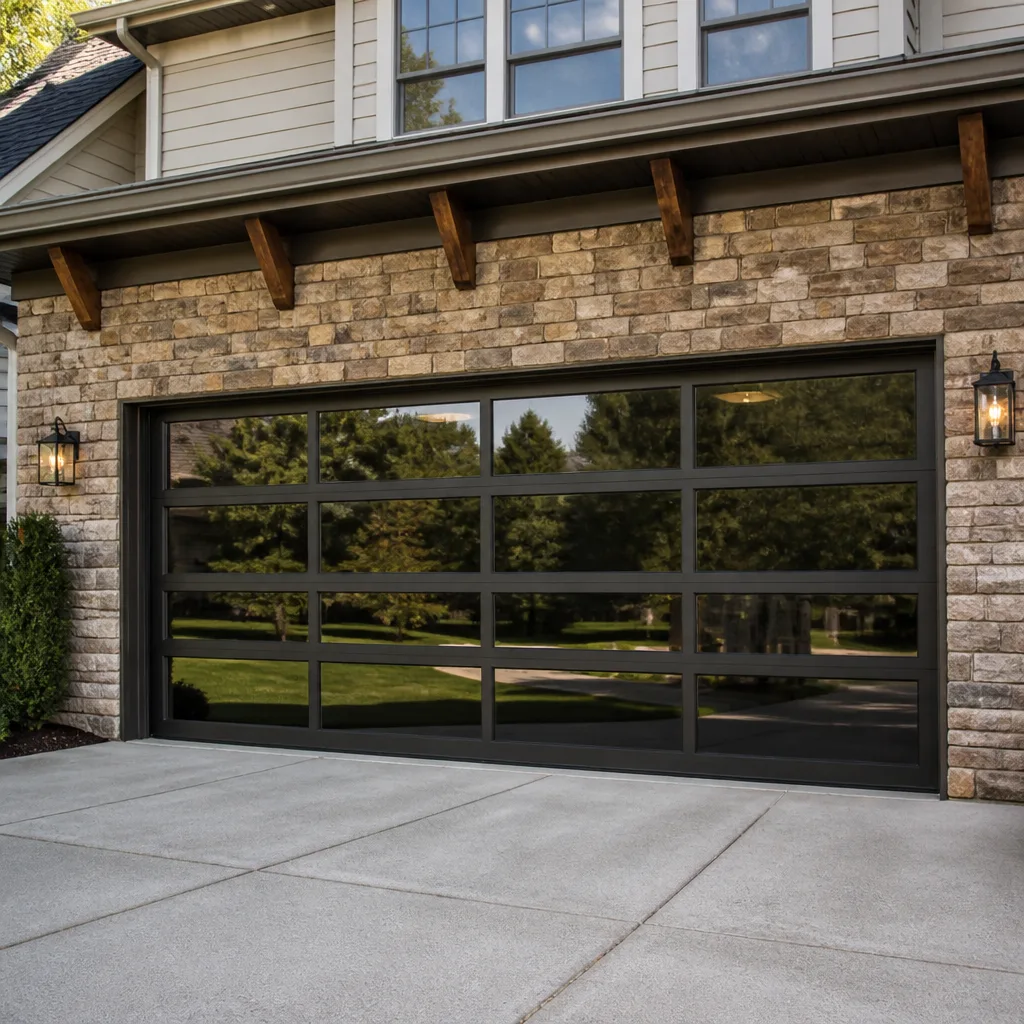 Full-view glass
 LiftMaster openers
 Chamberlain openers
Full 25-point door and opener safety check with every visit - springs, cables, rollers, tracks, and your LiftMaster or Chamberlain opener included
You get a price before we start. It does not change when the pro arrives.
Get your free estimateGarage Door Permits, Codes & Inspections in Cedonia, MD: What You Need to Know
Most Cedonia homeowners assume a garage door replacement is a simple swap: the old door comes down, a new one goes up, and nobody from the county ever needs to know. That assumption is wrong more often than people expect. A full replacement can fall on the permit side of the line under Baltimore County code, and repair work usually doesn’t. Knowing which side of that line your project sits on is the difference between a clean sale later and a correction you’ll pay for. In this guide we walk through when a permit is required in Cedonia, what the Maryland Residential Code asks of garage doors, what an inspection actually checks, and how to deal with work that was already done without one. You’ll finish knowing what to ask your contractor and your city’s building department before anyone touches your door.
Quick Answer
A full garage door replacement in Cedonia and the rest of Baltimore County may require a building permit, while like-for-like repairs (springs, openers, cables, tracks, panels) typically do not. The permit threshold turns on whether the work changes the door’s size, opening, or structure versus swapping a same-size door into an existing opening. Confirm the specifics with Baltimore County’s building department before the job starts, because code interpretation and permit requirements vary and change. Unpermitted structural work can complicate an appraisal, a home sale, or an insurance claim later.
Styles & brands we work with
- Raised-panel steel
- Carriage house
- Modern flush
- Full-view glass
- LiftMaster openers
- Chamberlain openers
Table of Contents
- When does a garage door replacement need a permit in Baltimore County?
- Like-for-like replacement vs. a structural alteration
- What the Maryland Residential Code says about garage doors
- How the inspection process works in Cedonia
- The homeowner’s liability exposure on fire-rated doors
- How to retroactively permit work already completed
- What a contractor should hand you for the permit file
- Common mistakes to avoid
When Does a Garage Door Replacement Need a Permit in Baltimore County?
Here’s the short version we give homeowners in Cedonia: repairs almost never need a permit, and a full replacement may, depending on what the work involves. Baltimore County, like most jurisdictions in Maryland, ties the permit decision to whether you’re changing the structure of the opening or simply replacing a component of the same size and type. If the door is the same width, same height, same headroom requirement, and gets hung on the existing tracks and brackets, the project usually reads as a maintenance swap. If you’re widening the opening, changing the header, altering the framing, or upgrading to a heavier door that loads the structure differently, the county generally treats it as construction work and wants to review it before you build.
Why the ambiguity? Because the county’s code doesn’t say “garage door” in a single clean line. It says building work that alters structure needs a permit, and the door replacement goes through that filter. That’s why the honest answer is “it depends, so call the building department,” and why we tell Cedonia homeowners to get the answer from the county in writing rather than from a contractor who might be guessing.
Practically speaking, here’s how to sort your project:
- Same-size replacement into existing framing: often treated as ordinary repair or maintenance. Ask the county to confirm.
- Opening change (wider, taller, different headroom): structural work. Pull the permit before anything is ordered.
- Header or framing modification: structural. Needs review and likely an engineer’s involvement.
- Upgrade to a heavier door: get the county’s read on structural loading first.
- Springs, cables, rollers, opener, tracks, single panel: repair. Not a permit item in most cases.
One Cedonia-specific wrinkle: our older housing stock around the Cedonia and Hamilton neighborhoods tends to have garages built to older framing conventions. When a homeowner replaces a door that’s been hanging since a much earlier era, the opening isn’t always square, and a door the same nominal size may need some framing adjustment to fit properly. Those adjustments are where a project can slide from “swap” into “alteration.” Plan to mention this to the county when you call, and mention it to whoever you hire. If you want to talk through whether your project reads as a repair or replacement, our team covers it under garage door repair and can look at the opening with you.
Get the permit answer nailed down first. Everything else in this guide builds on that one decision.
Like-for-Like Replacement vs. a Structural Alteration
The line that matters most to Cedonia homeowners is between “like-for-like” replacement and a structural alteration. Like-for-like means you’re putting a new door of the same size into the same opening, hung on the same structural framing, with the same clearances. A structural alteration means you’re changing something the building was designed around: the opening dimensions, the header over the door, the framing that carries the load, or the door’s weight class in a way that loads the structure differently.
Here’s a checklist to help you self-assess before you call the county:
- Measure the opening. Width and height. If the new door matches, you’re in like-for-like territory as long as the framing stays untouched.
- Compare the door’s weight class. A modern insulated door is often heavier than a lightweight door from decades ago. Same size doesn’t automatically mean same load. Mention the weight difference to the county.
- Check the framing. Rot, sagging, or poorly built framing needs correction. Correction means structural work.
- Check the headroom and lift requirements. Changing from a standard-lift to a higher-lift or low-clearance system can move the door into a different hardware category.
- Check whether the opening itself needs adjustment. If the door has to be resized to fit, the opening is changing.
In our experience across Cedonia, most replacements are genuinely like-for-like: the homeowner is simply putting a better door into the existing opening because the old one has worn out. When that’s true, the county is more likely to treat it as a maintenance replacement. When it isn’t, you want a permit, because the county is going to look at the framing and the header anyway if you ever sell.
If you’re considering a full replacement, we handle the door side under garage door installation and can measure the opening with you so you know exactly what you’re asking the county to review.
What the Maryland Residential Code Says About Garage Doors
Maryland’s residential code is built on the International Residential Code (IRC), and it addresses garage doors under two main headings: safety and structural attachment. The code doesn’t say “buy this specific door.” It sets the safety and performance criteria a door has to meet, and it’s the county’s job to check that the door you’re installing satisfies them.
The areas of the code that come up most often on garage door projects in this region:
- Wind load rating. Garage doors are large, and they’re an exterior envelope element. The code requires doors rated for the wind pressures in the region they’re installed. In the Baltimore region, that means a published design pressure rating from the manufacturer that meets or exceeds the local requirement. The door’s label and the manufacturer’s documentation are how the county verifies this.
- Impact resistance. Impact requirements apply in some parts of Maryland more than others. If your door is on an exterior envelope, the county will tell you whether impact-rated glazing or panels apply to your installation.
- Attachment and anchorage. The code cares about how the door and its tracks are anchored to the structure, especially the header. It’s less about the door and more about whether the building can carry it.
- The garage-to-house door. The code also governs the door between the garage and the living space: its fire rating, self-closing, and separation from the house. That’s a separate element from your overhead door, but it comes up in the same inspections.
- Opener safety. If you’re replacing or installing an opener, the code’s safety requirements (photoelectric eyes, auto-reverse, entrapment protection) apply. Most UL-listed openers built today satisfy them out of the box, but they still have to be installed and adjusted correctly.
We work on the opener brand already in your garage – LiftMaster, Wayne Dalton, Raynor, Craftsman, and the other major names – which means we know what the manufacturer’s documentation looks like and can point you to the rating pages the county will want to see. On the door side, the manufacturer’s published design pressure and installation instructions are exactly what an inspector asks for.
One thing to be clear about: the code sets the criteria, but the county’s building department interprets how they apply to your specific project. If you’re not sure which requirements apply to your Cedonia installation, ask them directly. They’d rather answer a question up front than review a project after the fact.
How the Inspection Process Works in Cedonia
Here’s what most Cedonia homeowners don’t know until they’re in the middle of it: the inspection is often the easy part. Scheduling it and getting the paperwork right is the part that takes attention. Once the county is on site, a typical garage door inspection is short. The inspector looks at the elements we described above, checks the door’s label and documentation against the approved plan, walks the opening, and moves on.
Here’s the sequence to expect:
- Permit application. Submit the application with your scope of work, the door’s specifications, and whatever drawings the county asks for. For like-for-like work the county may ask for very little. For a structural change, expect the county to want more detail, possibly engineer-signed drawings.
- Approval. The county reviews and issues the permit. There’s a review time; ask how long the current queue is so you can plan.
- Work. The door is installed per the approved plan. Don’t change the plan mid-job without calling the county.
- Inspection request. When the work is complete, the county is called for inspection. Some jurisdictions allow the final inspection to cover the whole job. Others want a rough inspection while the framing is exposed. Ask which your project requires.
- The inspection itself. The inspector checks the door and opening against the plan: door label and rating, anchor conditions, tracks and brackets, the garage-to-house door if included, the opener’s safety features if replaced, and that the installation follows the manufacturer’s instructions.
- Pass or correction notice. A pass closes the permit. A correction notice means specific items need attention, and the inspection is rebooked after they’re resolved.
A failed inspection usually means the work isn’t wrong, just incomplete on paper. The door might need its rating label photographed and submitted, or an anchor pattern might need to be documented. A genuine correction item, like missing documentation or an anchoring detail the inspector wants addressed, is the cue to call whoever did the work and have them correct it. If the correction touches the door or opener, our team handles both through garage door repair and garage door opener repair. It’s a straightforward callback, not a rebuild.
Most of the friction in an inspection comes from paperwork gaps and the garage-to-house door, which we explain below.
The Homeowner’s Liability Exposure on Fire-Rated Doors
This is the part that surprises Cedonia homeowners most: the door between your attached garage and your living space is a fire-rated door, and the code takes it seriously. The reason is simple. A fire in a garage is one of the most common places a house fire starts, and that door is the barrier that buys the people inside time to get out.
The code’s requirements on that door are specific:
- A fire rating appropriate to the separation, and the door has to actually hold it (a hollow-core interior door doesn’t).
- Self-closing hardware, so the door doesn’t stand open in normal use.
- Correct perimeter sealing and no through-holes that undermine the rating.
- For homes with a garage under a bedroom or other sleeping area, additional separation requirements may apply.
Where does liability come in? If your overhead door project involved removing or altering the wall between your garage and your house, and the work wasn’t permitted, the county can’t confirm the fire separation at that location. That matters in two places:
- An insurance claim after a fire. If the fire spread through an unmaintained or improperly installed fire door, your insurer may dispute coverage. That’s not a hypothetical; it’s a normal part of claims review. What you want is a permit and an inspection that shows the work was done correctly.
- A home sale. Appraisers and buyer inspectors look for unpermitted structural changes, and a garage-to-house alteration without a permit is exactly the kind of thing that gets flagged. The fix is retroactive, which is more work than the permit would have been.
Our team has walked through enough Cedonia garages to know that this is often the only unpermitted structural element in an otherwise neat house. If you’re unsure whether your garage separation is intact, a licensed inspector can tell you, and a door specialist can help you correct it. That’s a professional conversation, not a DIY fix.
How to Retroactively Permit Work Already Completed
You’ve had a garage door replaced, no permit was pulled, and now the county wants it or a sale does. Here’s the honest answer: it’s fixable, and it’s more work than pulling the permit up front, but it’s a straightforward process with the right documentation.
Here’s the sequence:
- Call the building department and explain the situation. Be specific about what was done: door size, whether the framing or opening changed, what brand and model was installed, whether the opener was replaced. The county will tell you what it needs to close the work under a permit.
- Gather the documentation. This is the part that matters: the door’s manufacturer spec sheet (with the design pressure and ratings), the installation instructions, the original purchase or install invoice if you have it, and the door’s label photo. If the door is a Wayne Dalton, Raynor, Clopay, or one of the other major brands, the manufacturer’s published documentation is easy to find.
- Get the paperwork to the county. Submit what they ask for. Some counties allow this as a fresh permit, sometimes called a “permit for existing work.” Others want a written narrative and photographs of the existing installation.
- Expect an inspection. The county will inspect the existing installation, not the way it was built. If something fails, the correction is usually anchored in the door and opener, which is the part we handle.
- Close the permit. Once the inspection passes, the permit closes, and you have the paper trail for your records and any future sale.
What a contractor needs to provide you with is essentially the paper he should have handed you at the end of the original job: the manufacturer’s specifications, the installer’s documentation, and a statement of the work performed. If your installer didn’t provide that, request it now, in writing. Our team can provide documentation for any door or opener we installed, and for existing installations we can help you assemble what the county will want.
If you’re not the original installer and you’re inheriting the job, say that to the county. They deal with it often. The goal is a permit and an inspection on file, and that’s achievable.
What a Contractor Should Hand You for the Permit File
The single best way to avoid the retroactive mess is to know what your contractor owes you before the work starts. For a garage door job in Cedonia, a competent contractor should be able to put the following in your hands:
- A written scope of work describing exactly what’s being changed: door model, size, opener model, and whether any framing or opening work is involved.
- The door’s manufacturer spec sheet, including its design pressure and the ratings the county cares about. Ask for the page, not a summary.
- The installation instructions for the door. If the county audits the installation, the inspector compares the install against these.
- A statement of whether the contractor considers the job permit-required, and the reason. If they’re unsure, they should be calling the county, not you.
- A completed permit application, if the contractor pulls the permit. In Maryland, either the homeowner or the contractor can usually pull it. Ask which is expected before work starts.
- The inspection paperwork and a copy of the final passed inspection, at the end of the job.
Our team provides all of the above on every replacement, and we’re explicit about which side of the permit line your project falls on. If you’re comparing contractors, ask each one to explain the permit requirement for your specific door. If they can’t, or if they brush it aside, that’s a strong signal.
We also handle the repair side – garage door repair on springs, cables, tracks and panels – and springs are the repair we see most often done unpermitted and unsafe. Springs are dangerous. Leave them to the trained pro; a door and its spring system are a matched, load-balanced assembly, and getting it wrong is how people get hurt.
Common Mistakes to Avoid
- Assuming “replacement” always equals “no permit.” A like-for-like swap usually doesn’t need one, but an opening change does. Ask the county.
- Skipping the permit because the contractor didn’t mention it. The permit responsibility is shared. Ask before work starts, and get the answer in writing.
- Ignoring the garage-to-house door. It’s fire-rated for a reason. If your project touched that separation, the county needs to see it, and your insurer will care after a fire.
- Changing the plan mid-job. If the installer discovers the opening isn’t square and needs framing adjustment, that’s a scope change. Call the county before continuing.
- Failing to keep the inspection paperwork. The final passed inspection is the document that protects your sale. Keep a copy with your home records.
- Assuming the county won’t notice. Appraisers and buyer inspectors look at permit records, and garage alterations are a common flag. Retroactive permitting works, but it’s easier to do it right the first time.
- Calling a handyman for work that needs a permit or a specialist. Spring work and structural changes both sit outside a general handyman’s scope, and an unpermitted spring repair is a safety issue, not just a paperwork one.
See the difference
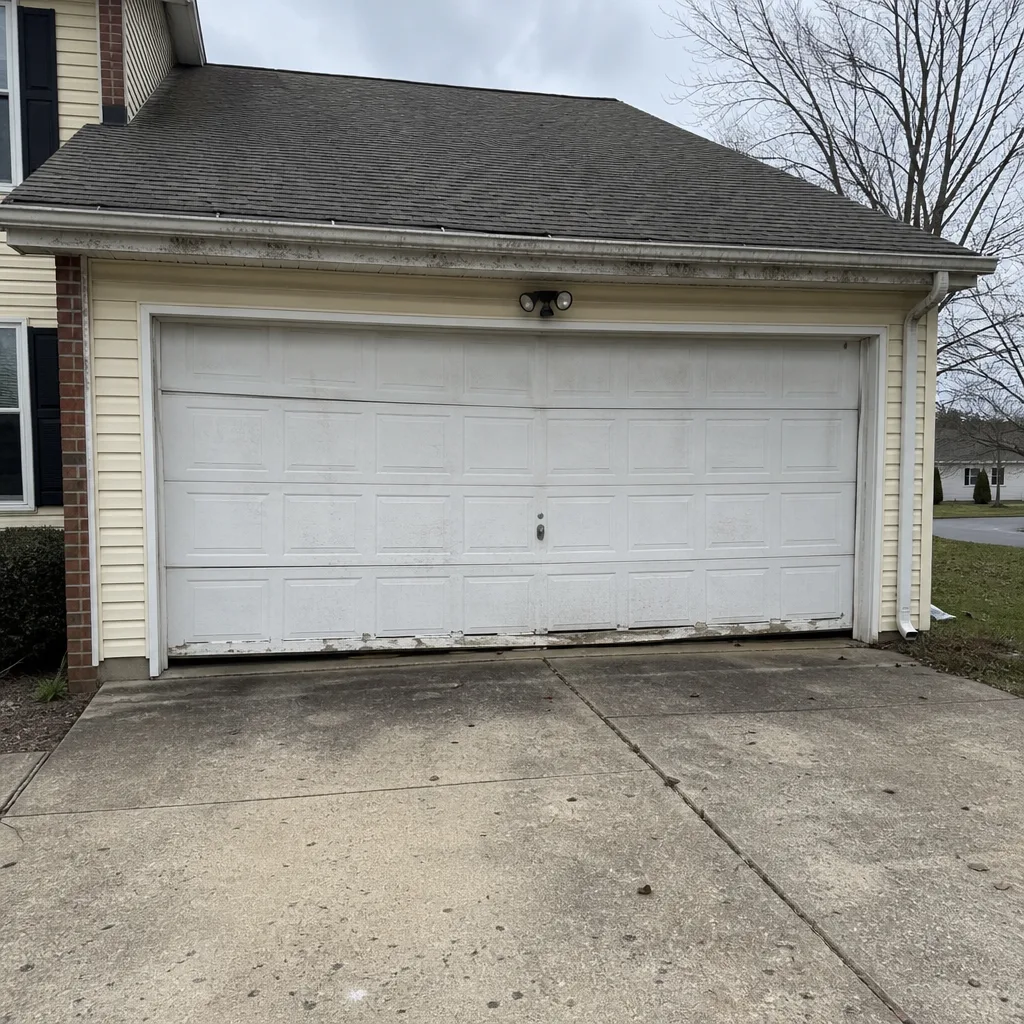 Before
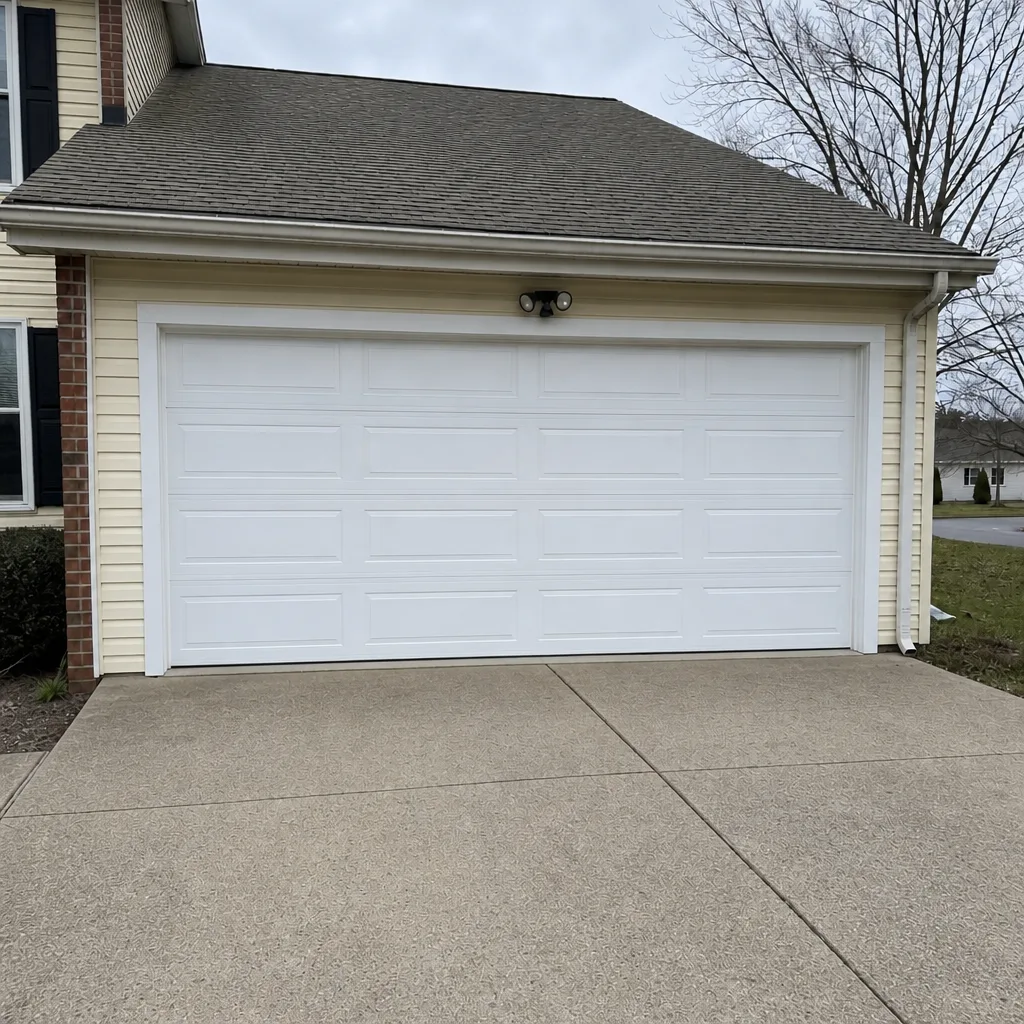 After
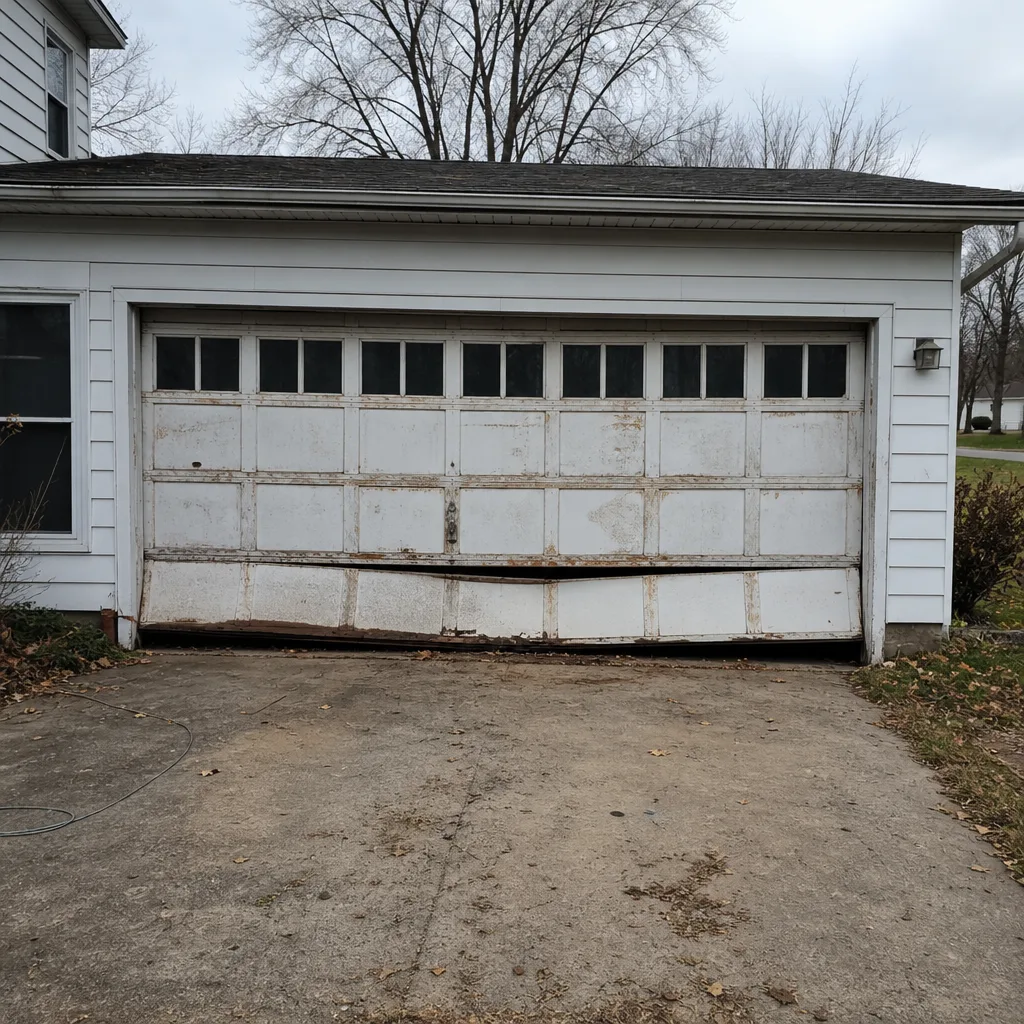 Before
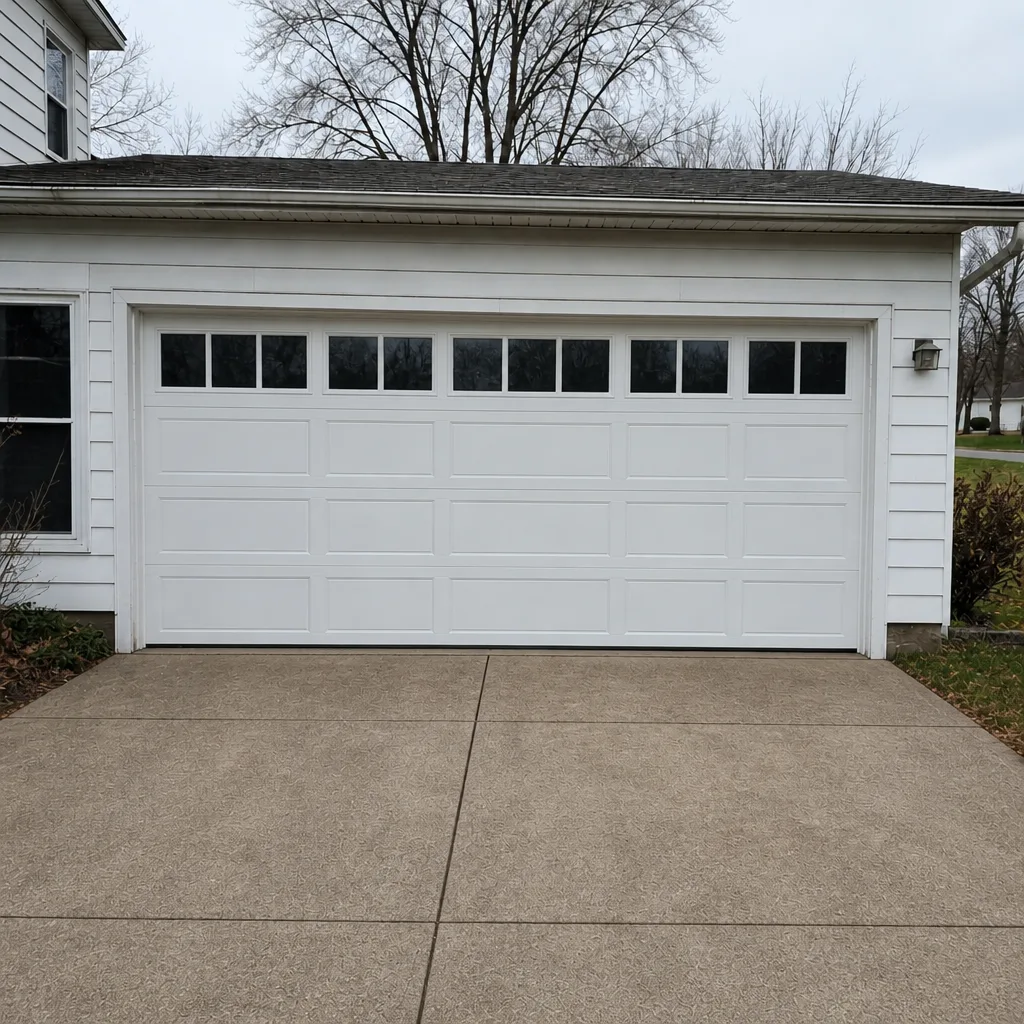 After
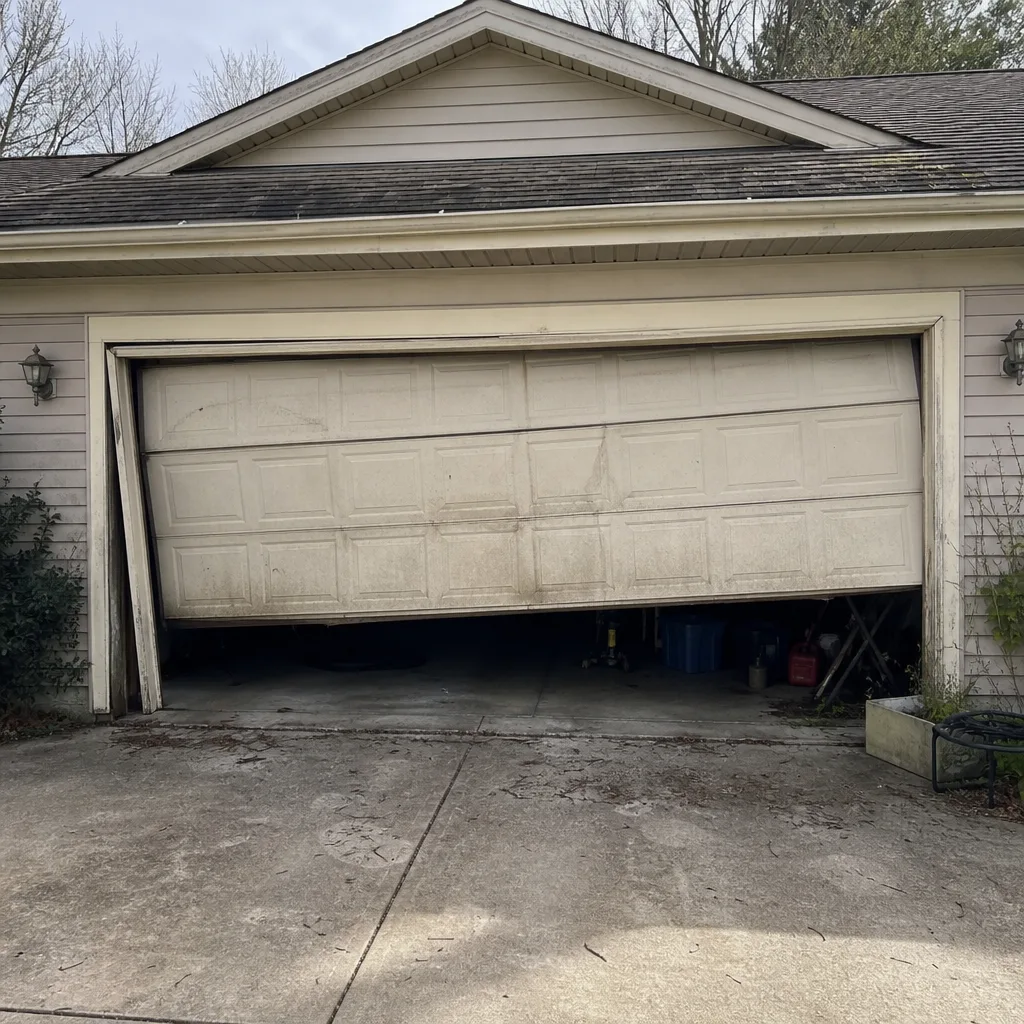 Before
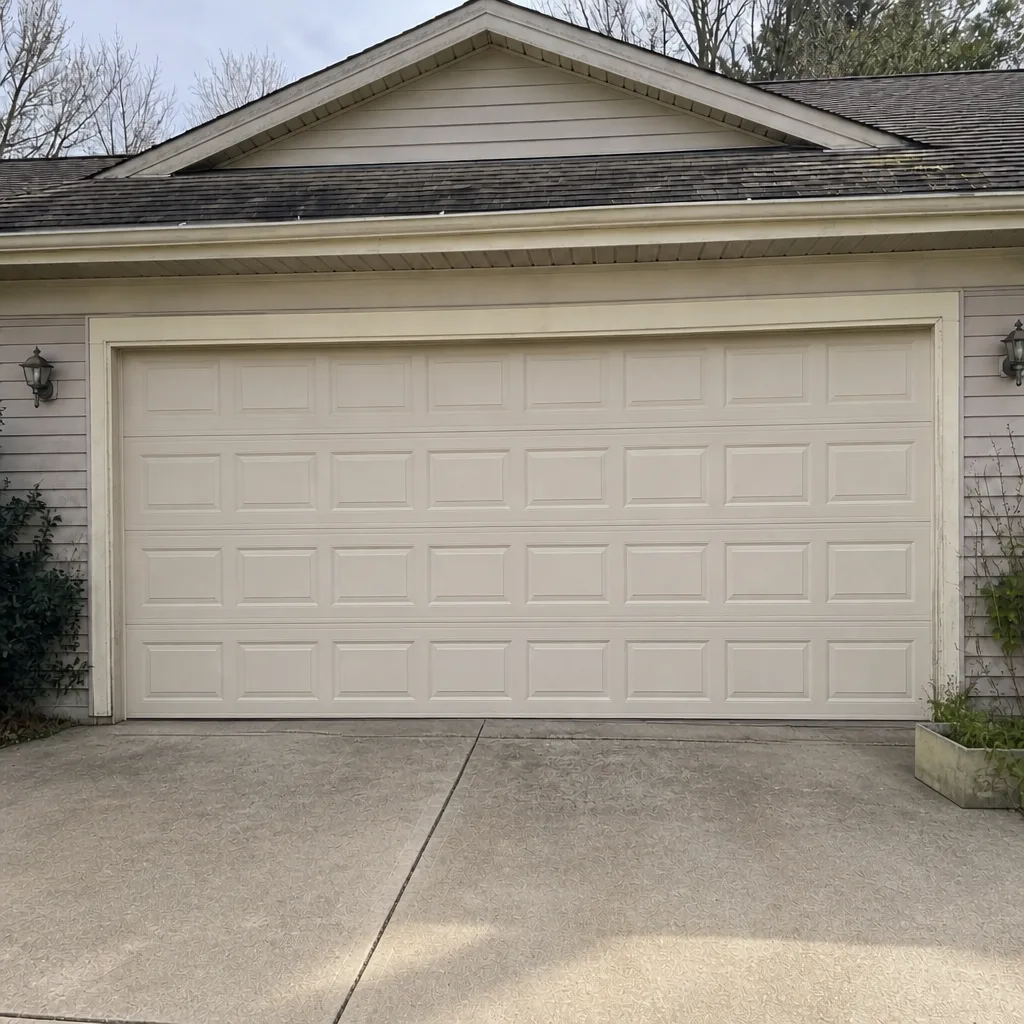 After
When to Call a Professional
Some of this work is paperwork and some of it is genuinely hands-on. You need a professional when:
- You’re replacing the door and want a clear answer on whether the county will require a permit.
- The opening or framing needs modification, not just a same-size swap.
- You’ve inherited an unpermitted installation and need to assemble the documentation the county will accept.
- Your springs, cables, or opener are failing and the door won’t operate safely.
- You’re selling and need a permit and inspection closed before the buyer’s inspector flags it.
- The garage-to-house door’s fire separation needs correction.
Garage Door Repair Cedonia offers free estimates in Cedonia – call (844) 918-2827. We’ll look at your door and opening, tell you plainly whether the county will likely require a permit, and quote the work before anything starts. Our technicians have up to 14 years of experience, and we work on LiftMaster, Chamberlain, Genie, Clopay, Amarr, Wayne Dalton, Craftsman, and Raynor systems – the brand already in your garage.
Frequently Asked Questions
Possibly. A like-for-like replacement (same size, same opening, same framing) is often treated as maintenance and may not require a permit, while a replacement that changes the opening, the header, or the door’s weight class generally does. Confirm the requirement with Baltimore County’s building department before the job starts. If you’re unsure which side of the line your project falls on, call (844) 918-2827 for a free estimate – we’ll tell you what we see.
Usually not. Spring repair is maintenance work on an existing door, and like most repairs it isn’t a permit item. Springs are also one of the most dangerous parts of the door to work on, so it needs a trained specialist, not a permit. Call (844) 918-2827 for spring repair – estimates are free.
The buyer’s inspector or appraiser may flag it, and the county can require you to close it out retroactively before or after the sale. The fix is achievable: you submit the manufacturer’s documentation, the door’s label, and whatever the county asks for, then the county inspects. It’s more work than pulling the permit up front. Call (844) 918-2827 and we can help you assemble what the county will need.
Permit fees are set by the county and vary by project scope, so we don’t quote them. The fee is a separate line from the door itself, and the written estimate you get from us covers the door, opener, and labor – not the county’s fee. Call your county’s building department for the current fee schedule, and call (844) 918-2827 for a free estimate on the work itself.
The inspection itself is usually short – an inspector checks the door’s rating label, the anchoring, the tracks and brackets, and the garage-to-house door if it’s part of the scope. Scheduling and paperwork take longer than the visit. If corrections come up, they’re usually documentation or anchoring details, not a rebuild. Call (844) 918-2827 if your inspection flagged something on the door or opener.
In Maryland, either the homeowner or the contractor can usually pull the permit, depending on the project and the county’s preference. Ask your contractor up front which they expect, and get the answer before work starts. Our team handles permit-required replacements on the door side and provides all the documentation the county will ask for. Call (844) 918-2827 – estimates are free.
The Bottom Line
The permit question for garage doors in Cedonia comes down to a single distinction: like-for-like replacement usually reads as maintenance, and structural alteration reads as construction. Repair work, including springs, openers, and tracks, is not a permit item – but it is specialist work, and one of the most dangerous parts of the door. When the county needs to be involved, the process is straightforward if you start with the building department, get the answer in writing, and hand the paperwork to a contractor who documents the installation. Skipping the permit is the shortcut that costs more later, especially at a sale or after a fire. Our team covers the full lifecycle – Garage Door Repair Cedonia, spring repair, opener repair, and installation – and we’ll tell you plainly which side of the permit line your project sits on. Call (844) 918-2827 for a free estimate; the written price is the price, quoted and agreed before any work starts.
Written by the team at Garage Door Repair Cedonia.