Last updated November 21, 2026
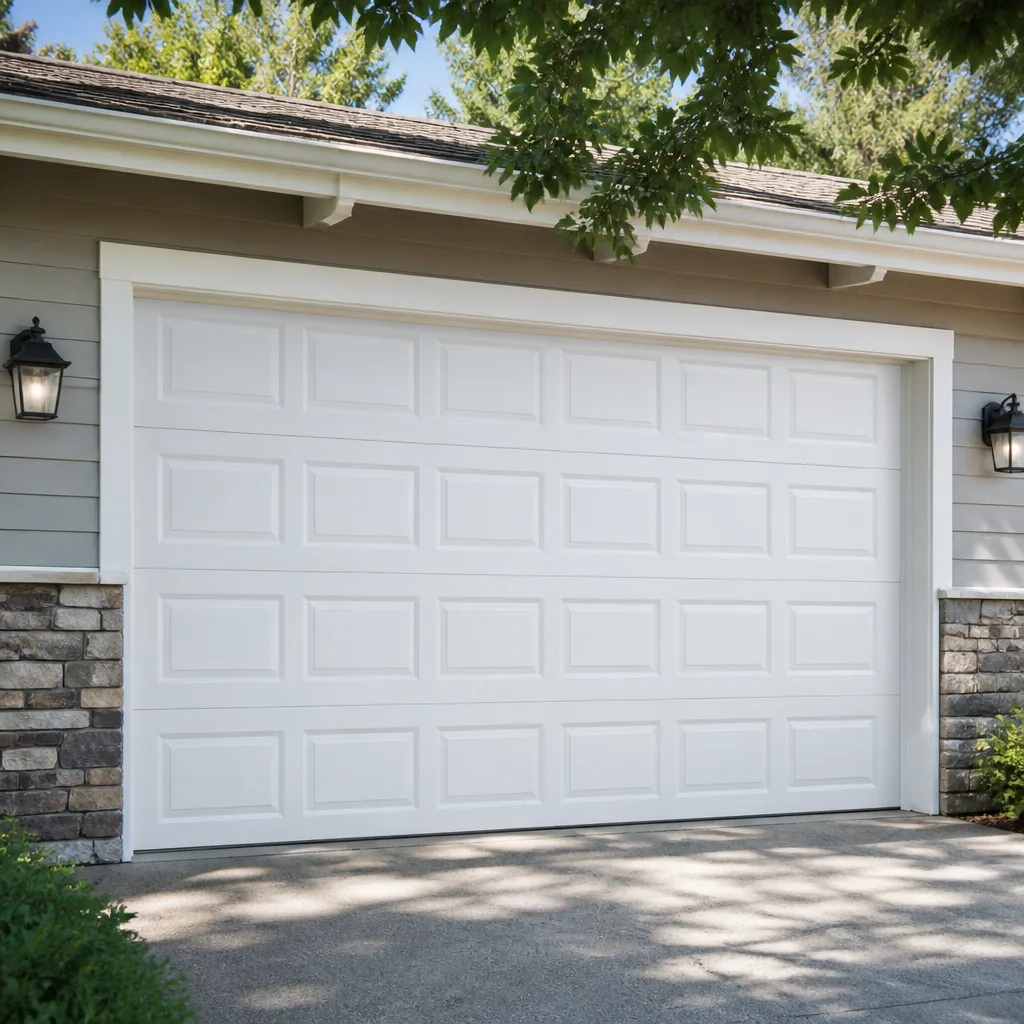 Raised-panel steel
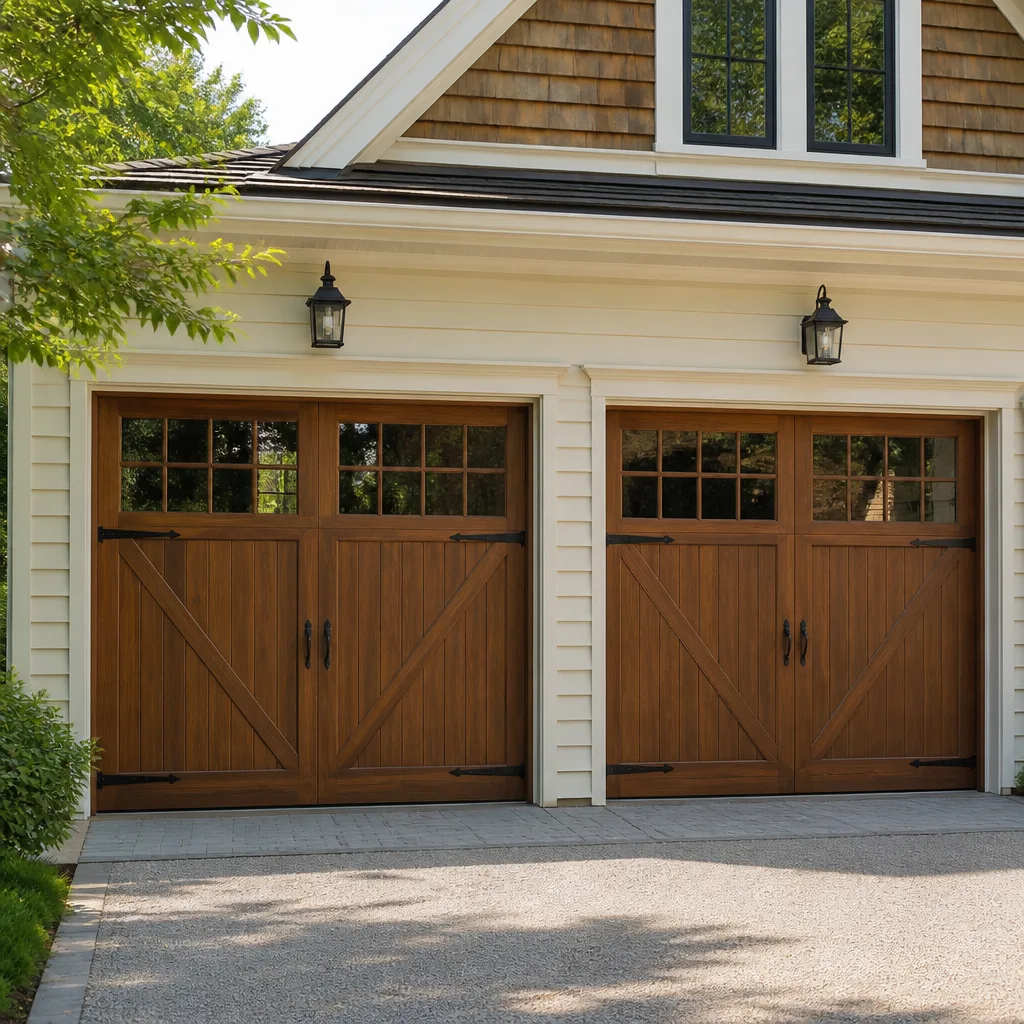 Carriage house
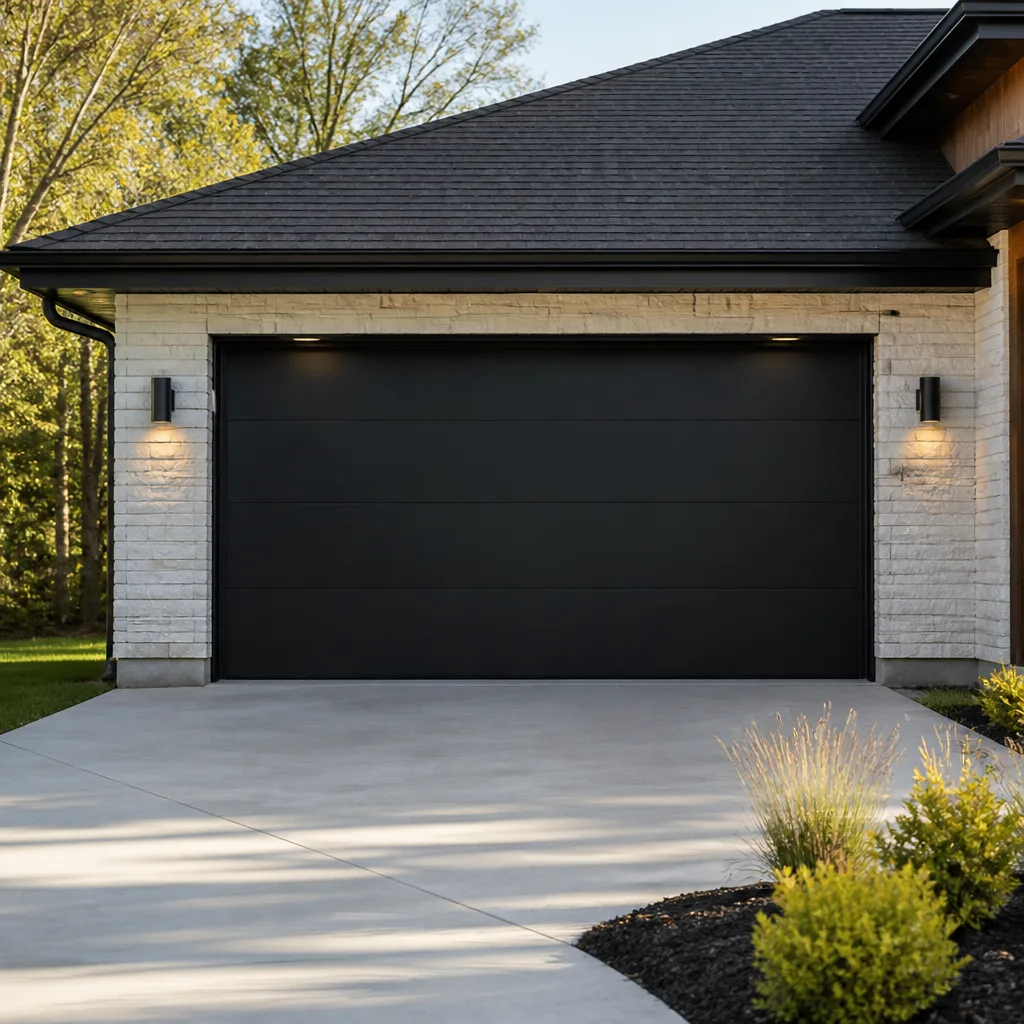 Modern flush
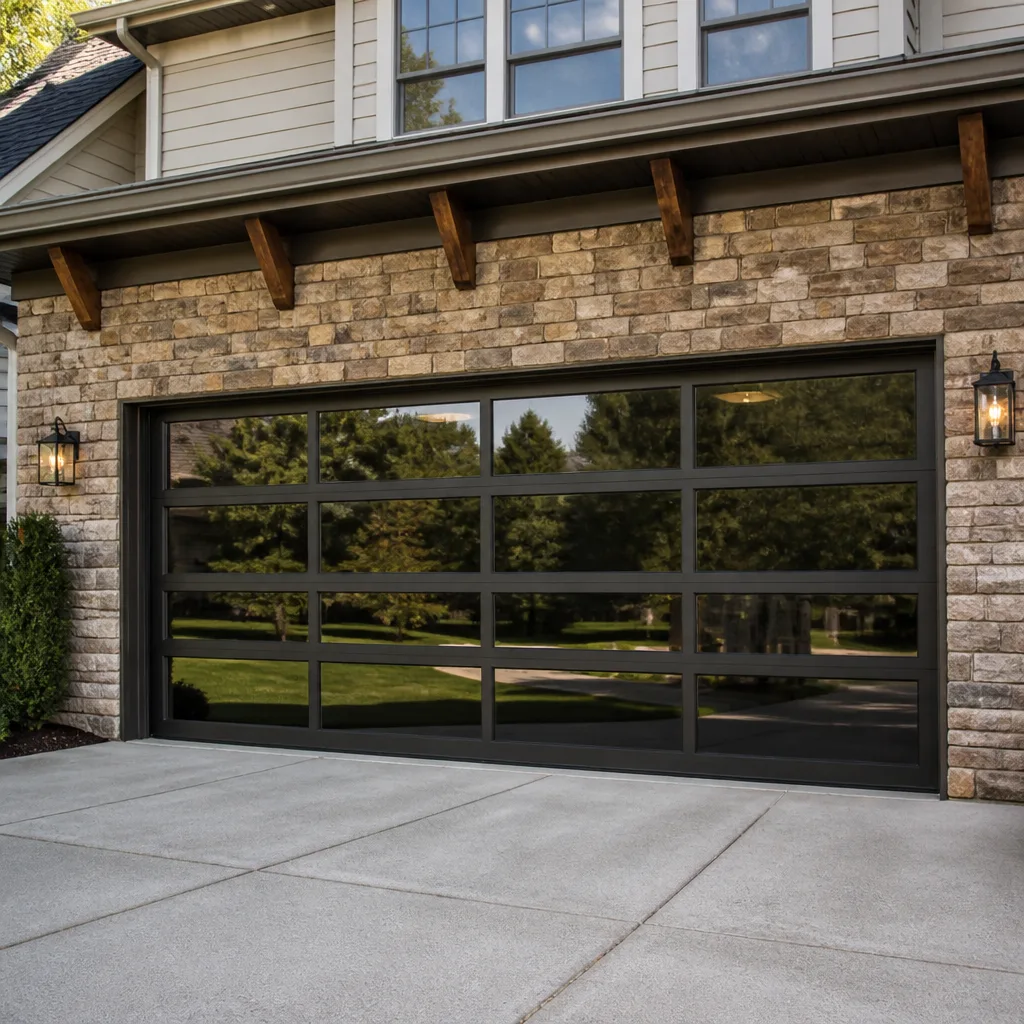 Full-view glass
 LiftMaster openers
 Chamberlain openers
Full 25-point door and opener safety check with every visit - springs, cables, rollers, tracks, and your LiftMaster or Chamberlain opener included
You get a price before we start. It does not change when the pro arrives.
Get your free estimateGarage Door Emergency Preparedness Guide for Cedonia Homes
Most Cedonia homeowners assume their garage door will fail the way it does in movies – slowly, with a dramatic groan and plenty of warning. In practice, the door that traps your car on a Tuesday morning gives you no notice at all. A torsion spring snaps, a cable jumps its drum, or the power cuts out mid-cycle and suddenly the largest moving object in your house is stuck. The part almost nobody prepares for is the manual release. Pull it at the wrong moment on a door with a broken spring and the door comes down hard. This guide walks through the four most common emergencies Cedonia homes face, the exact sequence to follow for each, and what to have ready before you call anyone.
Quick Answer
If your garage door won’t move, your first job is to decide whether it’s a repair-today problem or a do-not-operate problem. A door that’s off its tracks, hanging unevenly, or attached to a snapped spring should stay exactly where it is until a technician sees it. A dead opener, a power outage, or a door that reverses immediately usually means a repair you can schedule the same day. Never force a compromised door, and never pull the manual release on a door with a broken spring.
Styles & brands we work with
- Raised-panel steel
- Carriage house
- Modern flush
- Full-view glass
- LiftMaster openers
- Chamberlain openers
Table of Contents
- How the Manual Release Works – and When Not to Pull It
- What to Do When Your Door Comes Off Its Tracks
- Power Outages and Dead Openers: The Cedonia Response
- Storm Damage: Assessing Your Door After a Baltimore County Wind Event
- Repair-Today vs. Do-Not-Operate: Sorting the Urgency
- What to Have Ready Before You Call an Emergency Technician
- Why Springs Are the Emergency You Prepare For, Not Fix Yourself
- Preventive Checks That Keep Cedonia Doors Out of the Emergency Column
How the Manual Release Works – and When Not to Pull It
Every standard sectional door with an automatic opener has a manual release: a cord, usually red, hanging from the trolley that rides along the opener rail. Pulling it disconnects the door from the opener so you can lift it by hand. That’s the theory. The reality depends entirely on the condition of the springs.
On a door with working springs, the manual release does exactly what it’s designed to do. The springs carry most of the door’s weight, so a homeowner can raise the door with one hand. On a door with a broken spring, though, every pound of that door is unsupported. Pull the release and the door can drop fast and hard. That’s the single most dangerous mistake we hear about, and it’s why the manual release instruction is the first thing to get straight.
How to Operate It Safely
- Check the door’s position and condition first. Look for a visible gap in a spring, a sagging panel, or a door sitting crooked in the opening.
- If the door looks level and intact, stand clear of the door’s path and pull the release cord straight down with one firm motion.
- Lift the door slowly by hand. It should feel balanced – roughly the same effort to lift as to lower.
- If the door feels heavy, won’t stay up, or slams down, stop and leave it in the closed position. Do not attempt to use it manually.
One more thing worth knowing: on a door with a Wayne Dalton or Raynor opener system, the release mechanism varies slightly by model, and some older trolleys need a light pull rather than a hard yank. If you’re not sure which system you have, that’s information worth identifying now, before you need it.
When Not to Pull the Release
- A torsion spring above the door has visibly snapped or separated.
- The door is crooked in the opening or a panel is buckled.
- A cable is loose, dangling, or wrapped oddly around its drum.
- The door has come off one or both tracks.
- You hear the opener running but the door doesn’t move at all (the trolley may be jammed).
In any of those cases, the door stays closed, and you call a technician. Call (844) 918-2827 and we’ll walk you through what to do while you wait.
What to Do When Your Door Comes Off Its Tracks
A door that jumps its tracks is one of the most dangerous situations in a garage. The door’s weight is no longer controlled by the track system, and the panels can shift, bind, or fall with almost no warning. This is a do-not-operate situation, full stop. Your goal shifts from “get the door working” to “secure the opening and get a technician there.”
The Response Sequence
- Don’t touch the door. Don’t push it, lift it, or try to walk it back onto the tracks. That’s how people get injured and how panels get destroyed.
- Disconnect the opener at the wall control if you can do so safely. This prevents anyone from trying to run the door while it’s compromised.
- Secure the opening. If the door is partially up and the garage is exposed, use a bar or a piece of lumber placed across the inside of the track to hold it in place – never your body.
- Clear the area. Keep kids, pets, and vehicles away from the door until a technician arrives.
- Call for service. Explain exactly where the door came off – top track, bottom track, one side or both – because that changes the tools and parts needed.
Here in Cedonia, we see a lot of doors jump tracks after a spring failure on one side – the door drops unevenly and the roller pops out on the loaded side. That’s a symptom, not a cause. The spring is the repair; the track displacement is the consequence. A technician has to fix both. If the door is jammed and you can’t secure the opening, call (844) 918-2827 – our emergency service isn’t limited to daytime appointments.
Power Outages and Dead Openers: The Cedonia Response
Here’s the scenario we hear about most. A storm knocks out power in Cedonia overnight, and by morning the opener won’t respond. The homeowner finds the release cord, pulls it, and either can’t lift the door or lifts it and can’t get it down again. Both outcomes are avoidable with a little preparation.
The manual release exists for exactly this. On a healthy door, you pull the cord, lift the door by hand, drive out, lower it, and re-engage the trolley when power returns. A few homeowners don’t realize the trolley has to be re-engaged – usually by running the opener once and letting the carriage click back in. If the opener doesn’t re-engage, that’s a service call, not a rebuild of the door.
A dead opener with power in the house is a different problem. Before assuming the worst:
- Check that the wall outlet the opener is plugged into still has power.
- Test the wall control and a remote – if one works, the receiver isn’t the problem.
- Look for a blinking diagnostic light on the opener body. LiftMaster and Craftsman units blink in specific patterns and those codes point technicians to the failing component.
If those checks don’t resolve it, garage door opener repair is usually a same-day fix. Older Craftsman logic boards are the most common failure we see, and the parts are widely available, which shortens the wait.
Storm Damage: Assessing Your Door After a Baltimore County Wind Event
Baltimore County wind events are the most common cause of garage door damage in Cedonia. A sectional door is essentially a large flat sail, and a direct gust against an open or partially open door can bow panels, pop rollers, or fold the bottom section. Hail is uncommon in this area, so impact damage tends to come from wind-driven debris, not ice from the sky.
How to Assess Before You Operate
- Look at the door from outside first. Check for panels that are bowed inward, a bottom section that’s separating from its stiles, or a door sitting unevenly in the frame.
- Look at the tracks from inside. A dent or a kink in the vertical track is a sign the door took a hit.
- Check the cables and springs. Dangling cable or a spring with an obvious gap means the door stays shut.
- Test the balance by hand if it looks intact. Lift the door about a foot and let go. A healthy door holds its position. A damaged one falls or floats up.
If the door passed those checks, run it once with the opener and watch the whole cycle. Any hesitation, popping sound, or reversed travel means stop and call. Storm-damaged panels are repairable up to a point, but a bent track left alone will destroy rollers and cables within a few cycles. That’s the difference between a repair and a replacement. For panel or section damage that’s beyond repair, garage door installation is where the conversation heads – and that’s a measured, scheduled job, not a same-day one.
Repair-Today vs. Do-Not-Operate: Sorting the Urgency
The single most useful skill in a garage door emergency is knowing which category you’re in. Getting this right saves money, prevents injury, and keeps a small problem from becoming a large one.
Repair-Today Situations
- Opener runs but the door doesn’t move (trolley or logic board issue).
- Door opens but won’t close, or reverses immediately (safety sensor misalignment).
- Opener is dead but the door moves fine by hand.
- Remote or wall control stopped working but the motor runs.
- Door is noisy, jerky, or moving unevenly but stays on its tracks.
Do-Not-Operate Situations
- Any visible spring break.
- Door off its tracks, in any position.
- A cable that’s off its drum or visibly loose.
- Door hanging crooked or with a visibly bent track.
- Door fell from the open position, or slammed shut.
Repair-today work means garage door repair scheduled as soon as possible – usually the same day. Do-not-operate means the door stays put until a technician diagnoses it. That distinction matters because it’s the difference between a service call and a safety hazard. When you call us, describe the symptom accurately and we’ll tell you which category you’re in before anyone is dispatched.
What to Have Ready Before You Call an Emergency Technician
An emergency call goes faster when the technician already knows what they’re walking into. The best-prepared Cedonia homeowners have three pieces of information at hand: the door’s condition, the opener’s make and model, and how the door is currently sitting.
Before You Call
- Locate the opener’s model plate. It’s usually on the back or side of the motor housing. The brand and model matter – LiftMaster and Genie units fail in different typical ways, and parts availability varies between them.
- Write down the symptom in plain words. “Door goes up three inches then reverses” is more useful than “it’s broken.” “Opener hums but the door doesn’t move” points straight at a stripped gear or a bound trolley.
- Describe the door’s position. Fully closed, fully open, halfway, crooked, or off the tracks.
- Note whether you’ve pulled the manual release. This changes the diagnosis.
- Have your address and a callback number ready.
With that information, we can give you a realistic response window and tell you whether the parts needed are widely available or need to be ordered. That’s usually the difference between a same-day fix and a longer wait. Call (844) 918-2827 with those details and we’ll give you the straight answer.
Why Springs Are the Emergency You Prepare For, Not Fix Yourself
Torsion and extension springs carry the entire weight of the door, and they’re under constant tension. When one breaks, it releases that stored energy in an instant. This is why spring repair is a service many general handymen decline, and why it should never be a homeowner’s DIY project. The injury risk is real and immediate, and there’s no safe workaround for the repair itself.
What you can do is recognize the warning signs before a break happens:
- A visible gap in the torsion spring coil above the door.
- A door that lifts easily in one direction and feels heavy in the other.
- A loud bang from the garage that no one is present to explain.
- A door that’s suddenly hard to lift by hand when it used to be easy.
- Uneven lifting on one side.
If you spot any of those, stop using the opener and schedule a service call. Our technicians are trained specifically on spring repair and have up to 14 years of experience working with the systems installed in Cedonia homes. When a spring does break, we handle both the broken spring and the matched pair – springs are usually replaced together because a new spring against an aged partner rarely balances. When we quote, we quote per spring, and we always tell you whether a pair replacement is what makes sense.
Preventive Checks That Keep Cedonia Doors Out of the Emergency Column
Most emergencies have a warning phase. A quick monthly walkaround catches the majority of them before they become a call.
The Five-Minute Check
- Listen. Run the door once and listen. Grinding, popping, or scraping sounds are early signs of roller or track wear.
- Watch the movement. The door should travel smoothly and evenly on both sides. Jerky motion or visible wobble points at a worn roller or a roller that’s popped.
- Test the balance. With the door closed and the release pulled, lift it about a foot and let go. It should hold position. If not, the springs or tension need attention.
- Check the weather seal and bottom section. A worn seal lets water and debris in and can cause panel damage. It’s a cheap fix now.
- Test the safety sensors and the door’s auto-reverse. Place a piece of wood in the door’s path and confirm the door reverses. If it doesn’t, that’s a safety call, not a repair you schedule next month.
The last one matters more than people realize. A door that doesn’t reverse may close on whatever’s in its path, and a door that doesn’t stop is a hazard in a house with kids or pets. If the door fails the reverse test, fix that before anything else.
Common Mistakes to Avoid
- Pulling the manual release on a door with a broken spring. The door has no weight support and can drop hard. Check the springs first – always.
- Forcing a door that’s off its tracks. Cycling a displaced door binds the rollers, bends the tracks, and can destroy panels that were otherwise salvageable.
- Repeatedly hitting the opener on a jammed door. Every cycle stresses the gear and the trolley. One try, then stop.
- Assuming a dead opener means a replacement. Diagnostic lights on most modern units point to a specific part, and many failures are a logic board, a capacitor, or a safety sensor – not a new opener.
- Watching the door with your body under it. If the door has to be observed during a cycle, watch from the side, clear of the path. Never stand under a door that’s moving or compromised.
- Lifting the door with the opener engaged. Pull the release first. Lifting against a locked trolley damages the opener.
- Delaying a spring replacement when only one has broken. The second spring is under the same load and usually fails soon after. Replacing one spring and waiting for the other is a repeat service call.
See the difference
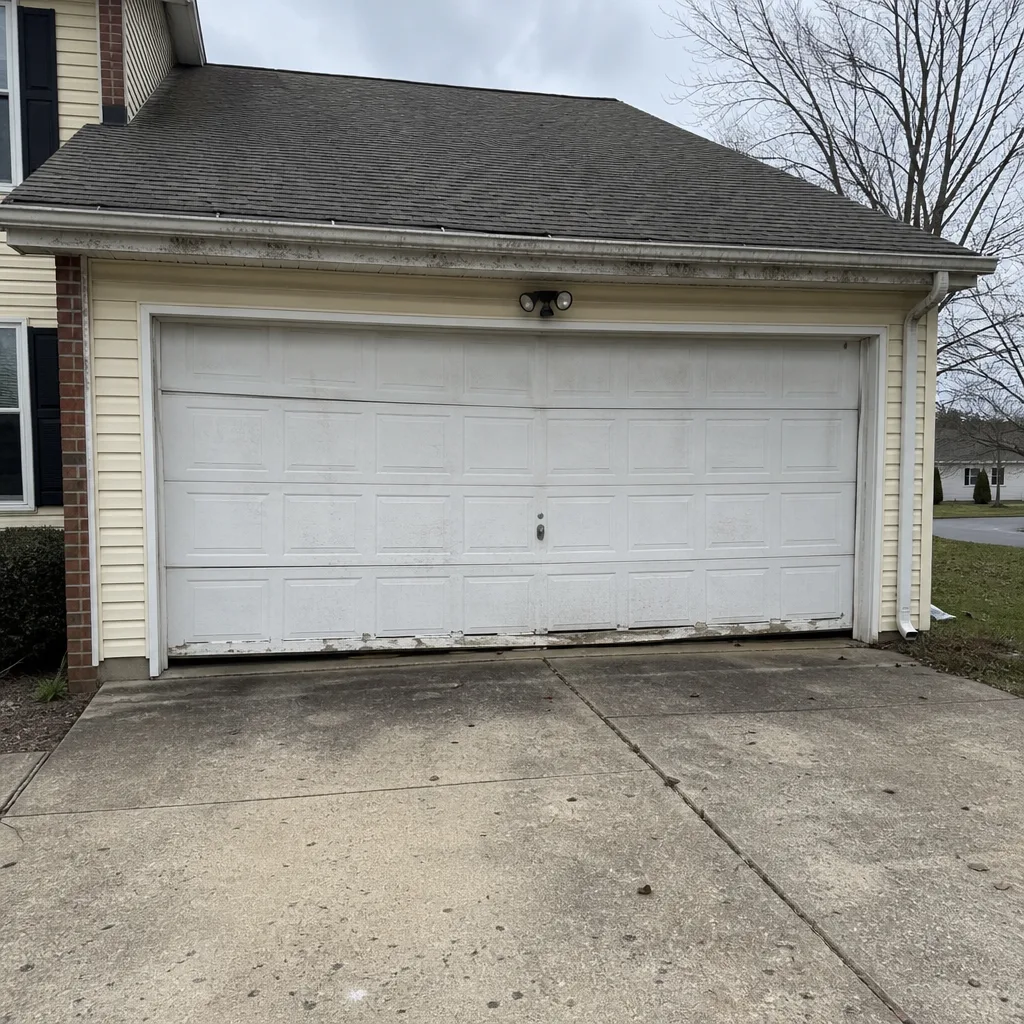 Before
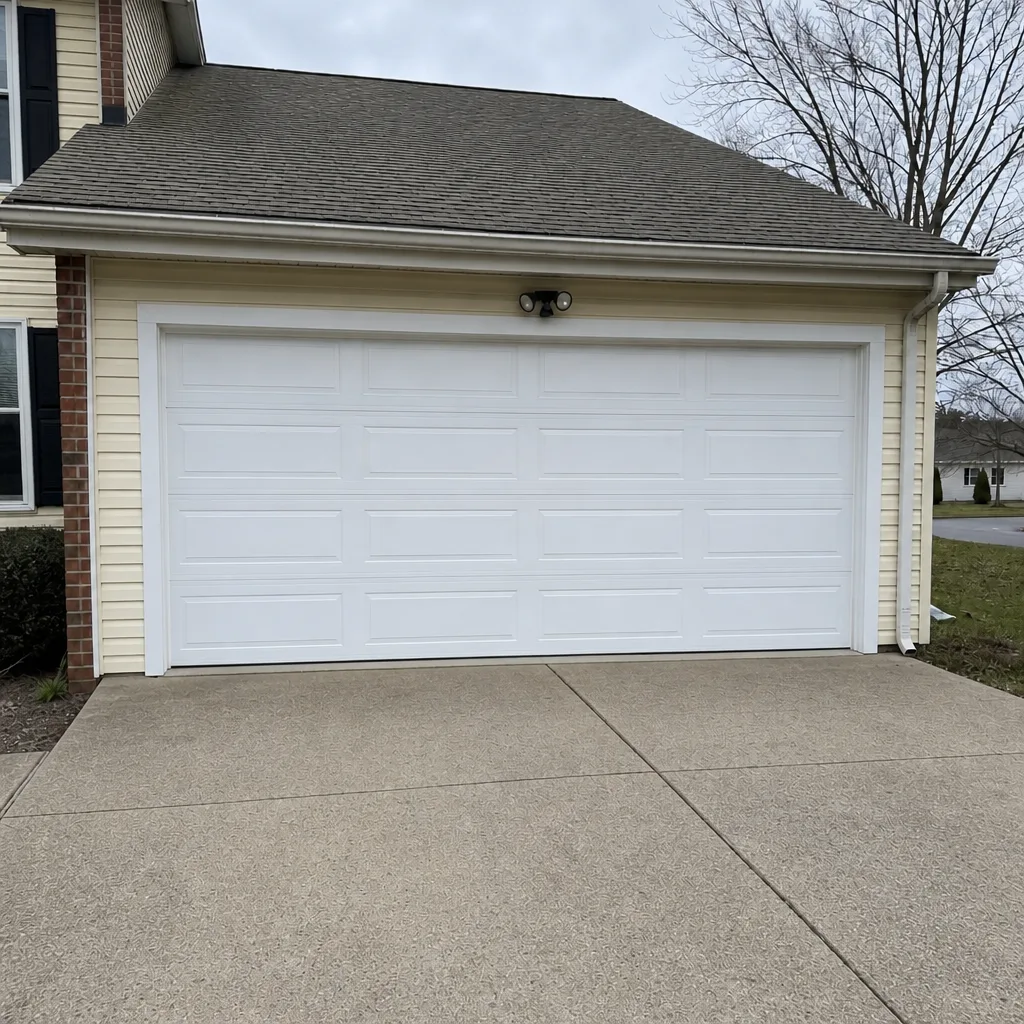 After
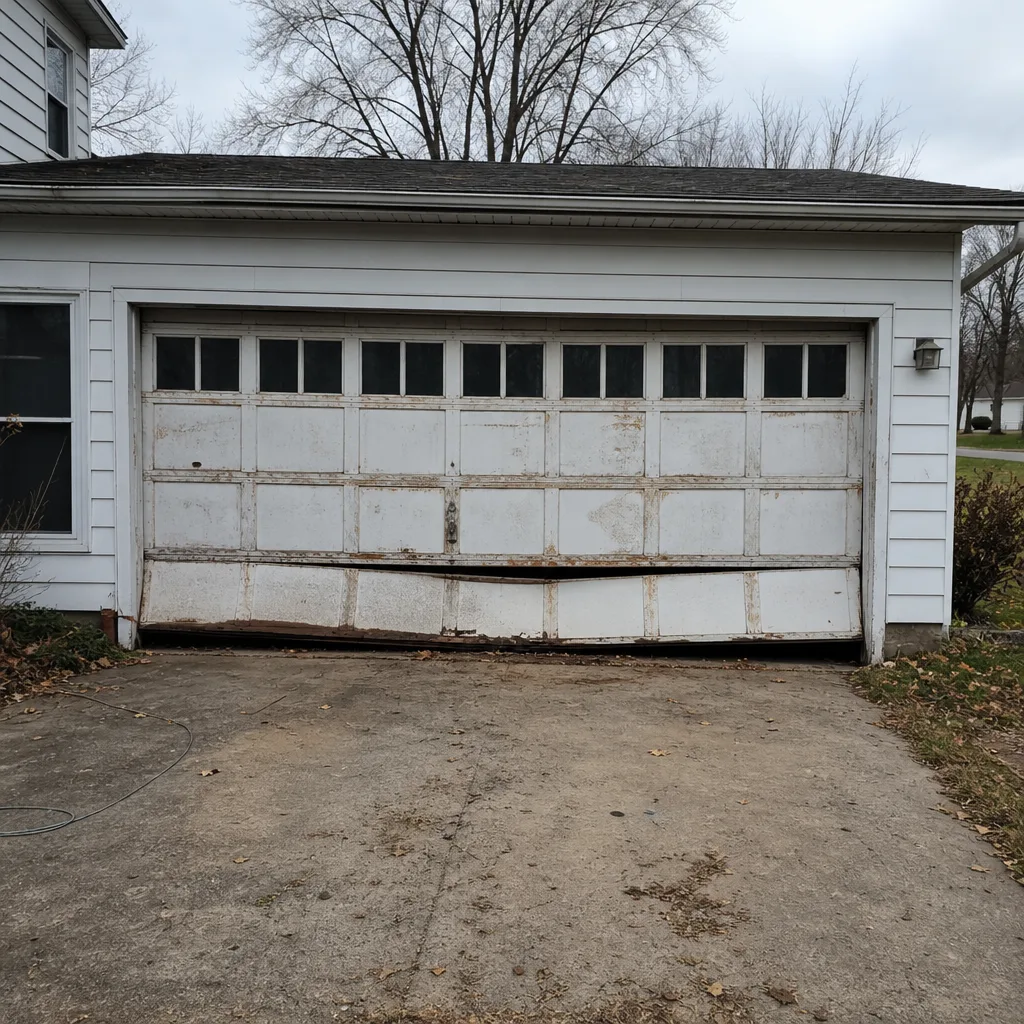 Before
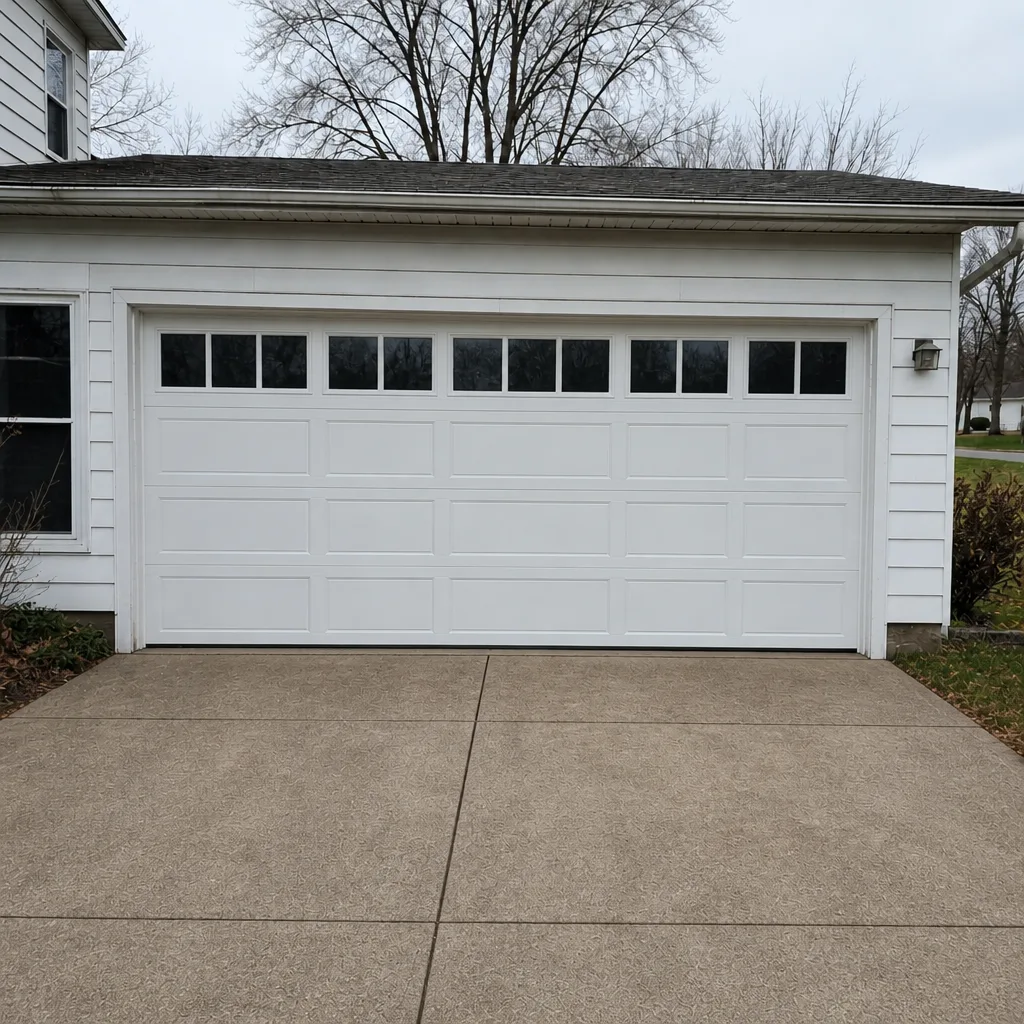 After
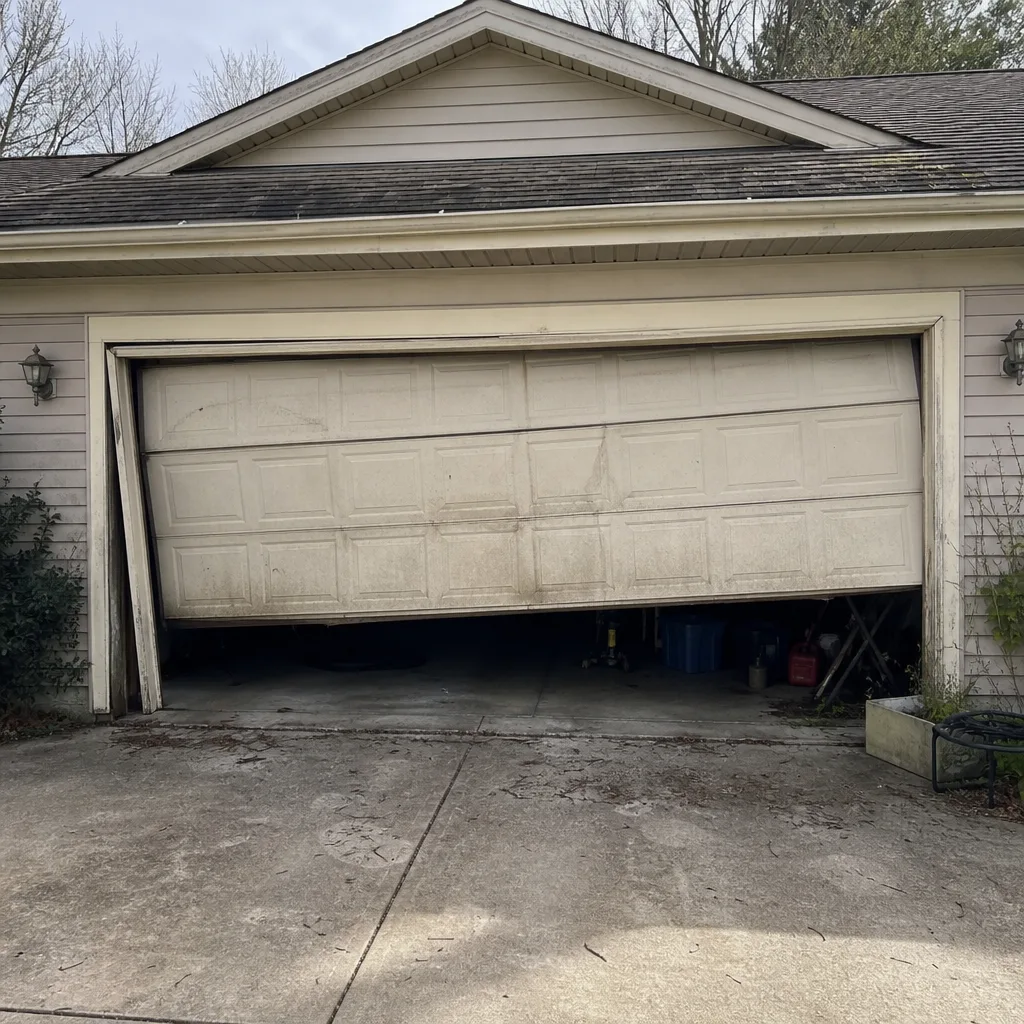 Before
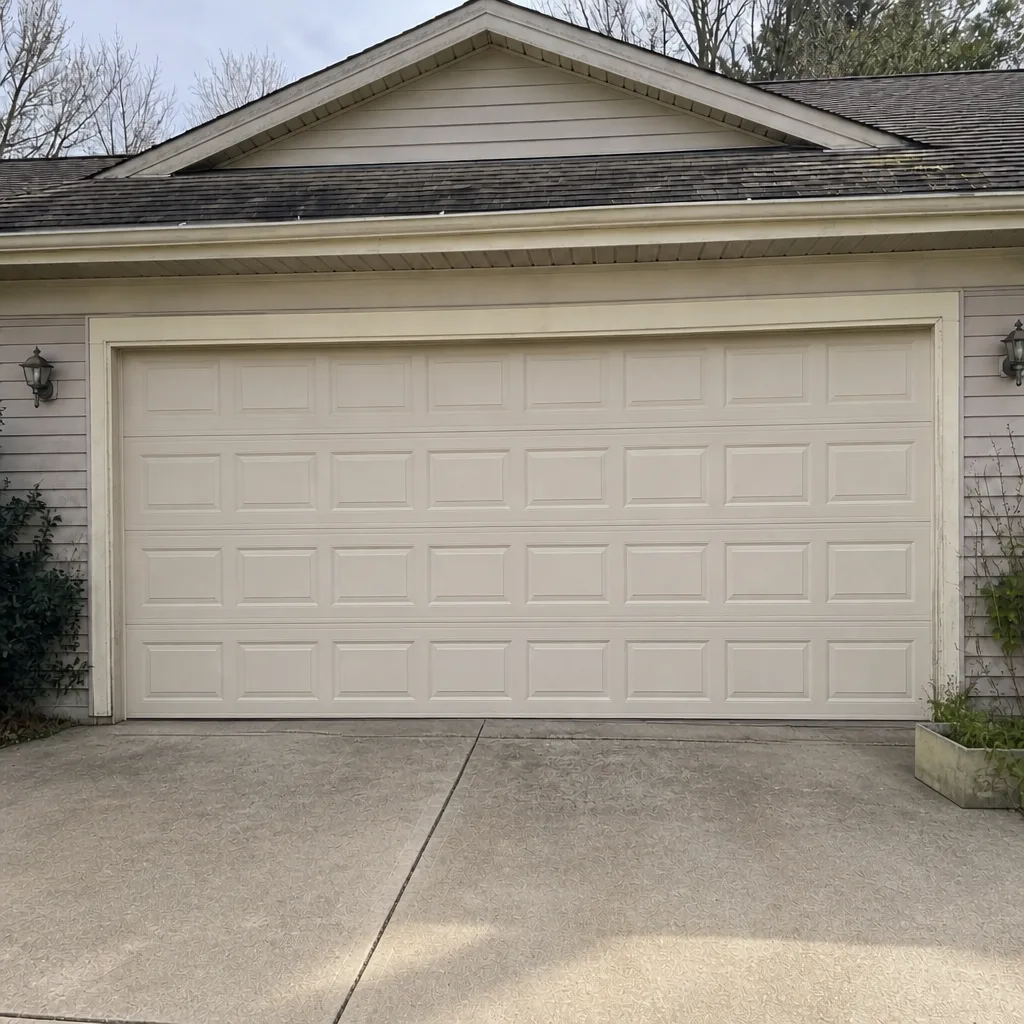 After
When to Call a Professional
Call a professional the moment the door is off its tracks, a spring is broken, or a cable is loose. Those aren’t decisions to defer, and Cedonia homeowners don’t have to wait for hours to get one. For a door that runs but doesn’t open, a door that reverses, or an opener that’s dead but the door moves by hand, the call is a repair-today booking rather than a stop-everything emergency. If you haven’t yet secured a service call, Garage Door Repair Cedonia handles all of it. We work on the brand already in your garage – including LiftMaster, Chamberlain, Genie, Clopay, Amarr, Wayne Dalton, Craftsman, and Raynor systems. Springs, openers, panels, tracks: one call covers it all. Garage Door Repair Cedonia offers free estimates in Cedonia. Call (844) 918-2827 and we’ll get you scheduled or walk you through securing the door.
Frequently Asked Questions
Find the manual release cord – usually red, hanging from the trolley – and pull it down with one firm motion. Then lift the door by hand. It should feel balanced and easy. If it feels heavy or slams down, the springs are compromised and the door stays closed until a technician arrives. Call (844) 918-2827 if the door won’t cooperate and we’ll walk you through the next steps.
Yes, for most situations. A door that’s off its tracks, a broken spring, or a jammed opener is usually addressable the same day, and our emergency service isn’t limited to daytime appointments. Response windows vary, so call early if you can. Call (844) 918-2827 and describe the door’s position and the symptom – that gets you the most accurate answer on timing.
No. The quote you get is the price you pay, agreed before any work begins. Emergencies can be more complex than they sound on the phone, so we tell you upfront if a diagnosis points at a different repair. If the estimate changes, it changes because we talked about it first. Call (844) 918-2827 for an exact quote – estimates are free.
Most single-spring repairs in Cedonia run in the $180 to $340 range, and a matched pair costs roughly twice that. The written estimate you receive is the final price. Call (844) 918-2827 and we’ll schedule a look.
Yes. The local professional we send out is licensed and insured as their state requires. Our technicians have up to 14 years of experience, and spring repair and opener diagnostics are specialties. Call (844) 918-2827 with any questions before you book.
We work on all eight of the major garage door and opener brands installed in North America: LiftMaster, Chamberlain, Genie, Clopay, Amarr, Wayne Dalton, Craftsman, and Raynor. That covers nearly every system found in Cedonia driveways. If you’re unsure what you have, the model plate on the opener will tell us. Call (844) 918-2827 and we’ll confirm before we come out.
The Bottom Line
The best garage door emergency plan is the one you never have to use. Find your manual release cord today. Identify your opener’s model. Know the difference between a door that needs a same-day repair and a door that needs a professional to even touch it. Those three things turn a panic moment in a Cedonia garage into a controlled call. If a door is off its tracks, a spring has snapped, a cable is loose, or the opener won’t respond to anything, call (844) 918-2827 for a free estimate. We’ll tell you honestly whether it’s a same-day appointment or a “leave the door closed” situation.
Written by the team at Garage Door Repair Cedonia.