Last updated November 21, 2026
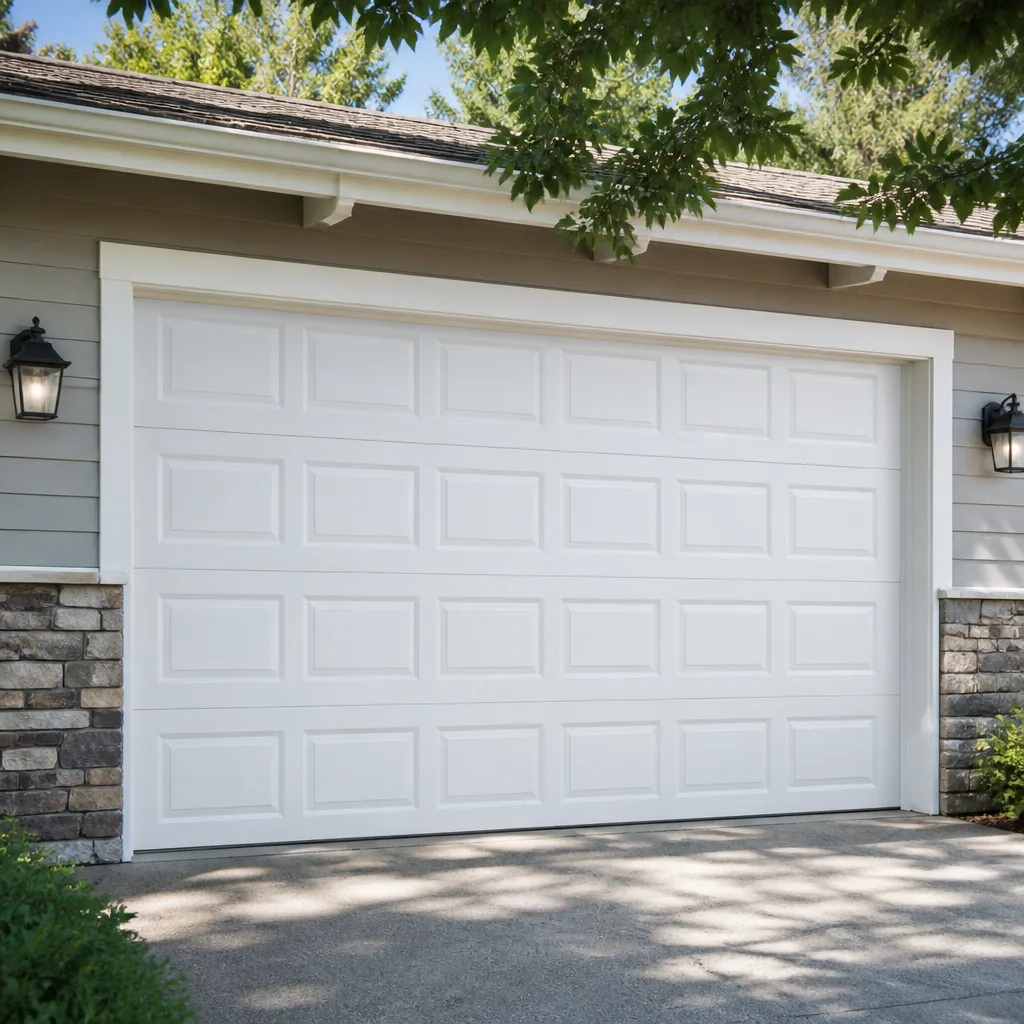 Raised-panel steel
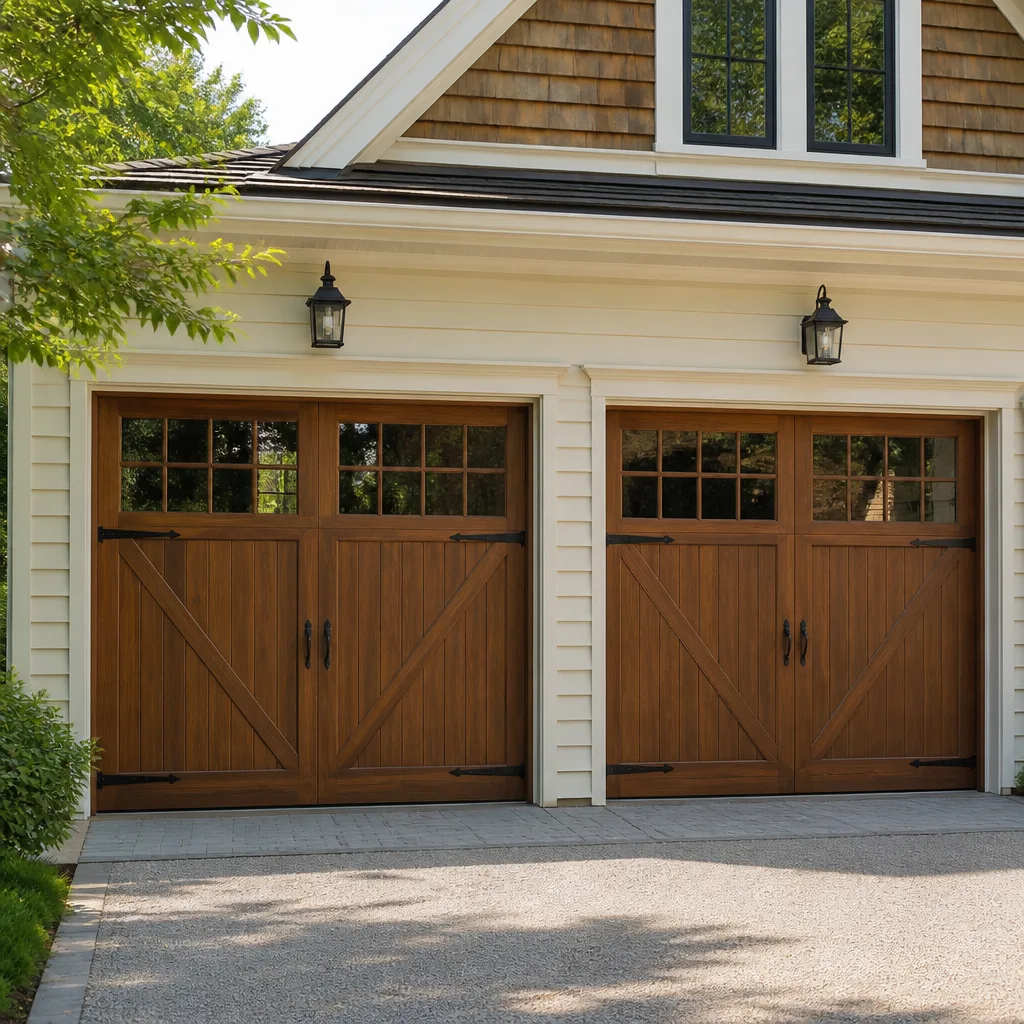 Carriage house
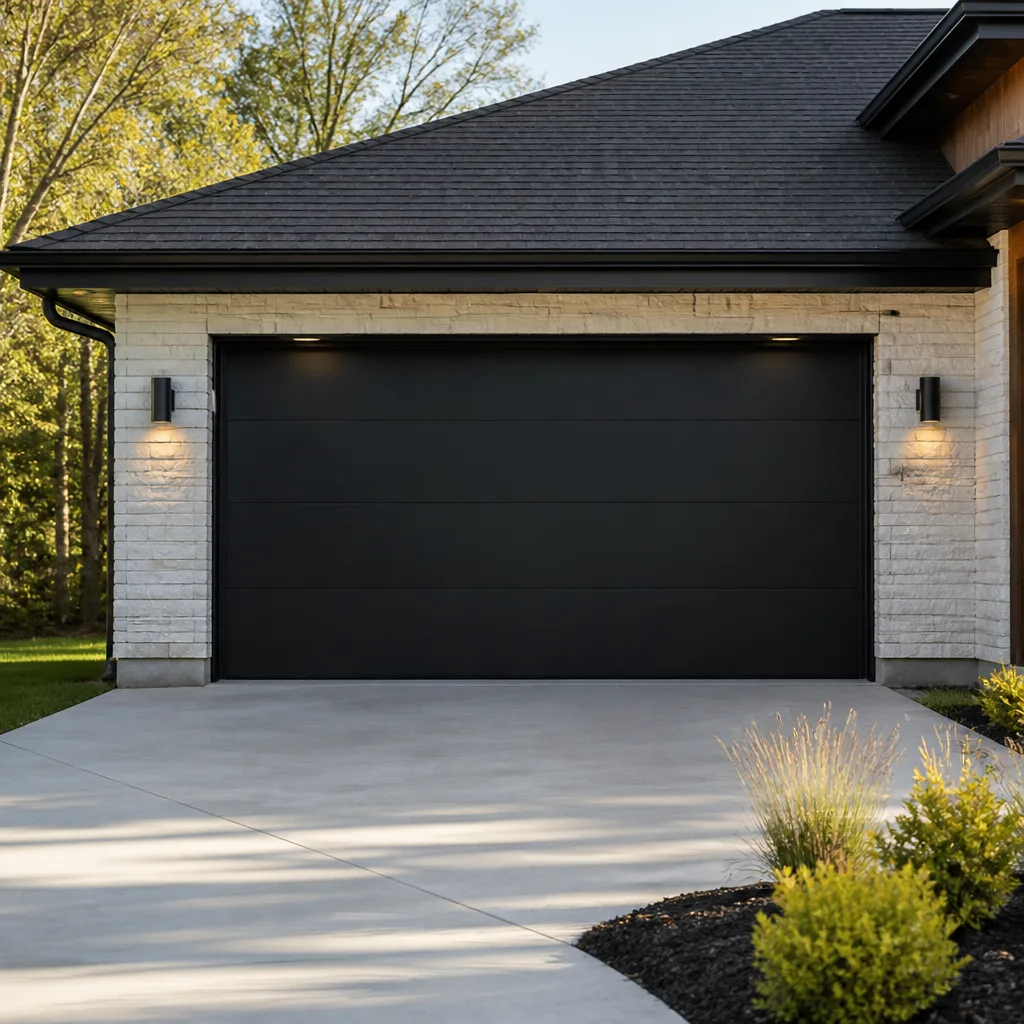 Modern flush
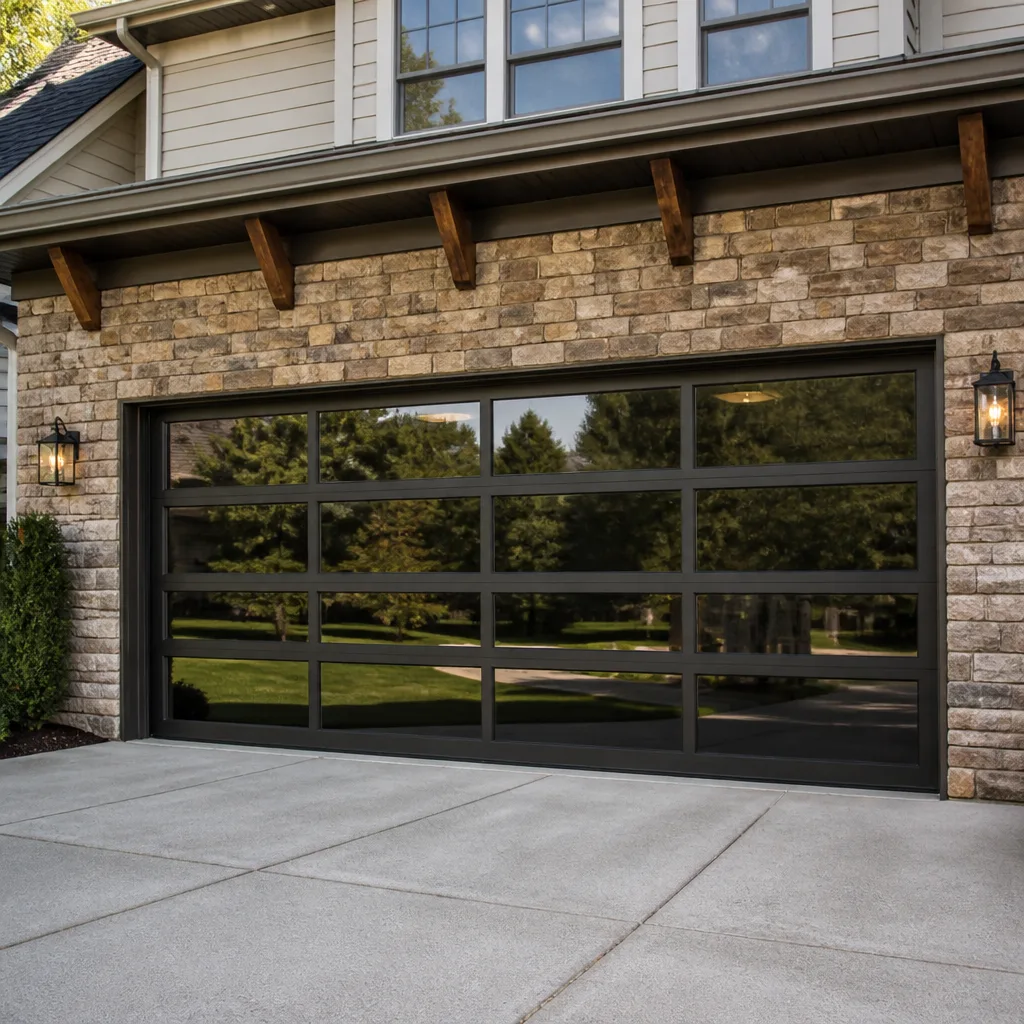 Full-view glass
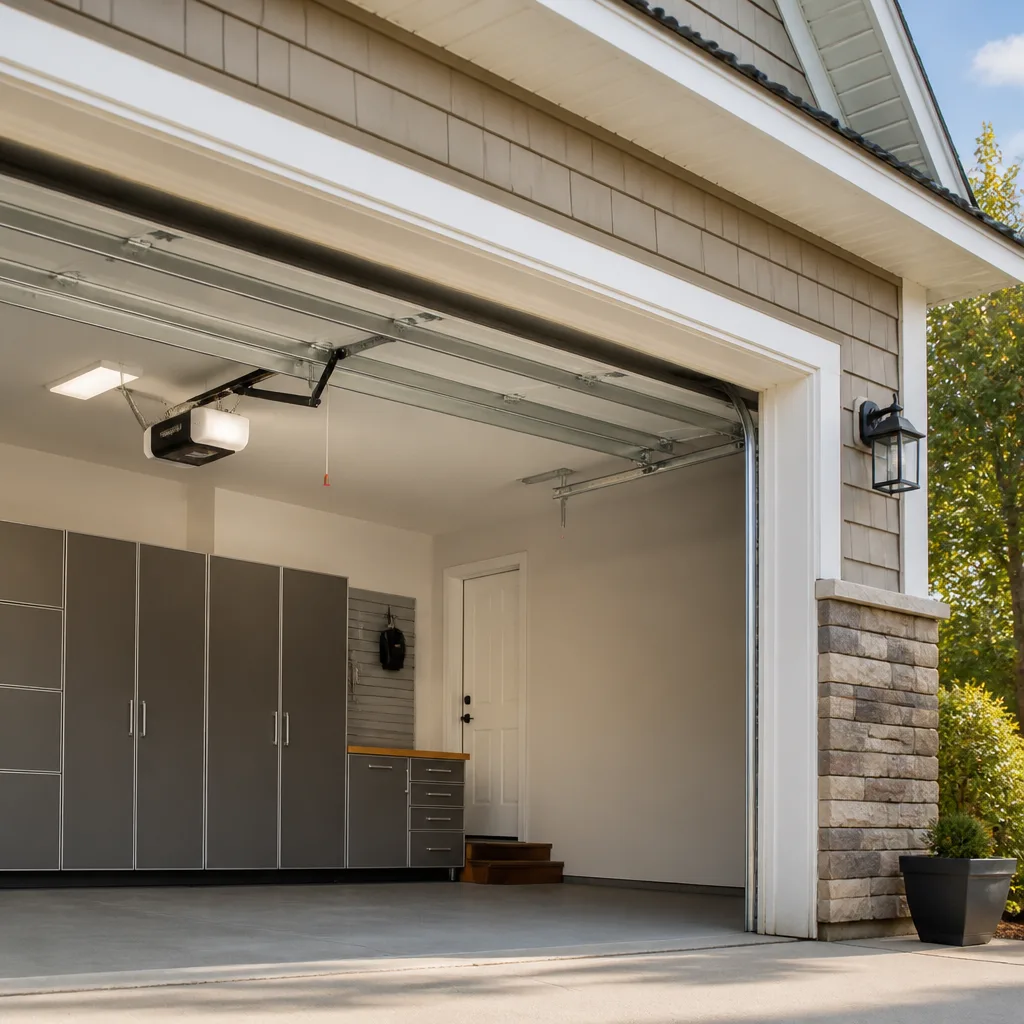 LiftMaster openers
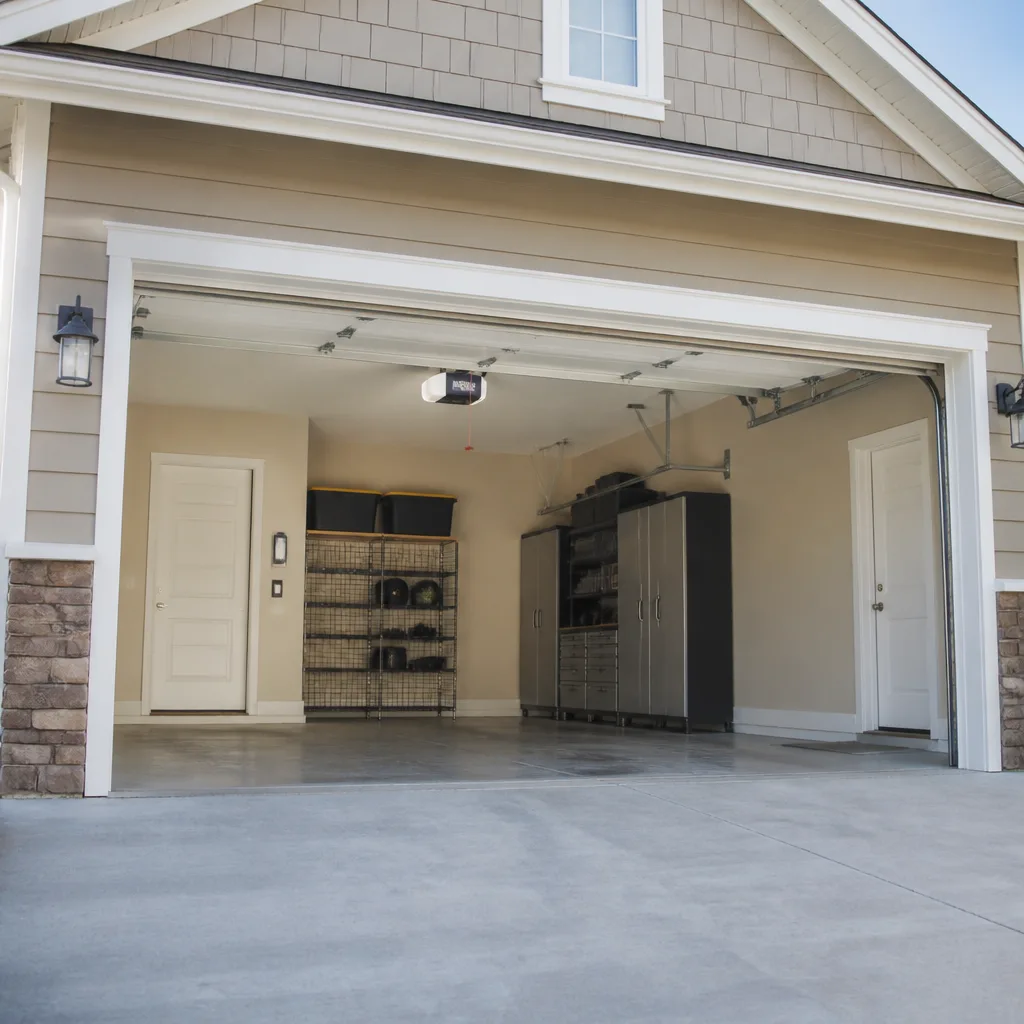 Chamberlain openers
Full 25-point door and opener safety check with every visit - springs, cables, rollers, tracks, and your LiftMaster or Chamberlain opener included
You get a price before we start. It does not change when the pro arrives.
Get your free estimateDIY vs Professional Garage Door: The Cedonia Homeowner’s Decision Guide
Most garage door advice treats DIY versus professional as a question of confidence. That’s the wrong frame. A torsion spring under tension holds enough stored energy to cause permanent injury in a fraction of a second, and no amount of YouTube research changes that physics. About a third of the repairs homeowners ask us about fall into that category. The rest – weatherstripping, sensor alignment, lubrication, a dented panel – are jobs a careful homeowner can absolutely handle. This guide draws a hard line between the two, explains the cost math honestly, and shows you how to diagnose your own door in Cedonia before you decide which side of the line your problem sits on.
Quick Answer
Roughly two-thirds of common garage door problems are safe to handle yourself: lubricating tracks and rollers, aligning safety sensors, replacing weatherstripping, and minor cosmetic fixes. The remaining third – torsion springs, extension springs, cables, and anything involving the counterbalance system – should go to a trained technician because those parts store lethal energy and a single mistake can release it instantly. If your door won’t open, hangs crooked, or makes a loud bang, that’s the professional side of the line.
Styles & brands we work with
- Raised-panel steel
- Carriage house
- Modern flush
- Full-view glass
- LiftMaster openers
- Chamberlain openers
Table of Contents
- Where the DIY Line Actually Falls
- What’s Genuinely Safe to Do Yourself
- Why Spring Work Is a Hazard, Not a Skill Gap
- The Cost Math: When Professional Service Is Cheaper
- How to Diagnose Your Door Before You Call
- The One DIY Repair We See Done Wrong Most Often
- What Cedonia Weather Does to Your Door
- When to Call a Professional
- Frequently Asked Questions
Where the DIY Line Actually Falls
The garage door is the largest moving object in most homes, and it’s built around a counterbalance system that makes the whole thing weigh almost nothing in your hand. That system is the dividing line. Anything that touches the springs, cables, drums, or bottom brackets sits on the dangerous side. Everything else – the door as a shell, the opener as a motor, the sensors as electronics – is fair game for a careful homeowner.
Think of it this way: a garage door is a lightweight panel on a heavy-duty balancing act. The panels, hinges, rollers, seals, and tracks carry the door. The springs and cables carry the weight. When something on the “carrying” side fails or needs adjustment, the stored energy is live even with the door closed and the opener unplugged. That’s the part that changes the DIY calculus entirely.
In our experience across Cedonia, homeowners are generally accurate about what they can handle. The gap is usually around cables. A frayed cable looks like a maintenance item, so people tug at it or try to rewind it onto the drum. It’s not a maintenance item. It’s a tension member, and it fails without warning.
Three tests help you decide which side you’re on:
- Does the repair involve anything attached to a spring, cable, or drum? Professional.
- Does the door still open and close under opener power, even if it’s noisy or uneven? Likely DIY.
- Did the door make a loud bang, stop moving, or drop suddenly? Stop. Call Garage Door Repair Cedonia before you touch anything.
What’s Genuinely Safe to Do Yourself
A solid half of routine garage door upkeep is safe, straightforward, and worth doing yourself. That includes anything mounted to the door’s frame or to the opener rail that doesn’t involve counterbalance tension. If a job is on this list, you don’t need a technician. You need a screwdriver, some lubricant, and twenty minutes.
- Replace the bottom weather seal. The rubber strip along the bottom of the door is a wear item. It pushes into a channel or is nailed to the bottom retainer. Sliding a new seal in is a pull-and-push job.
- Align the safety sensors. The two small eyes near the floor should line up with each other so the beam passes cleanly. Loosen the wing nut, aim, and tighten. A sensor knocked out of alignment is the most common cause of a door that opens but won’t close.
- Lubricate tracks, rollers, hinges, and the opener rail. Use a garage-door-rated lubricant, not WD-40. Apply to the hinge pivots and roller stems, not the track surface itself. Do this once or twice a year and the door gets noticeably quieter.
- Balance-test the door. Disconnect the opener using the manual release, lift the door to about waist height, and let go. A balanced door stays put. One that drops or climbs tells you the springs are out of adjustment – and that’s a professional call.
- Fix a minor dent. A single dented steel panel can often be eased out from behind with a rubber mallet. Cosmetic only. If a panel has creased or separated from its hinge, don’t try to bend it back.
- Tighten loose hinge and bracket bolts. Vibration loosens hardware over time. A socket wrench and a quick pass of the door’s exposed bolts is fine.
- Reprogram a remote or keypad. This is opener electronics, and it’s covered in your opener manual. It requires no tools and no risk.
If you’re in Cedonia and your opener alone seems to be the problem – beeping, flashing lights, running but not moving the door – that’s usually a job for garage door opener repair, not a spring replacement. Diagnosing that correctly saves real money.
Why Spring Work Is a Hazard, Not a Skill Gap
Spring work isn’t a matter of learning the technique. It’s a matter of stored energy. A torsion spring mounted above the door converts a small amount of your hand tension into enough force to lift a 200-pound door plus keep the door suspended in a fall. Release that energy in a fraction of a second and it moves through metal, skin, and bone with the same indifference. That’s why injury statistics from garage door spring failures are so consistent, and why general handymen routinely decline the job.
Two spring systems exist, and both are professional work:
Torsion Springs
These mount horizontally on a shaft above the door and wind into tight coils. They’re adjusted with a pair of steel winding bars and a specific number of quarter-turns. Get the count wrong by a couple of turns, or let a bar slip, and the spring unloads – the door collapses and the bar becomes a projectile. There is no safe homeowner version of this. Even experienced technicians use two bars at a time deliberately: one to wind, one to hold.
Extension Springs
These mount along the horizontal tracks on either side of the door and stretch. They’re older and, if uncontained, fail by flying across the garage. Extension springs are supposed to run through a safety containment cable for exactly that reason. If yours don’t have one, that’s a professional upgrade worth doing. Even swapping a matched pair of extension springs requires unloading the door safely and re-balancing – the stretch is not a straight pull.
Cables and Drums
Cables sit at high tension right beside the springs and often fail from fraying or drum slippage. Lifting a cable back onto a drum or trying to re-crimp a frayed end with pliers is a common first instinct and one of the more dangerous moves in the entire door assembly. Cables carry the door’s weight directly. This is never a DIY job.
Our technicians are trained specifically on spring repair, which is a high-risk service many general handymen simply refuse. If you’re not certain whether your problem is a spring or a cable, that’s exactly the point at which to stop. Call us for a free estimate. We’d rather tell you it’s a $90 adjustment than have you find out the hard way.
The Cost Math: When Professional Service Is Cheaper
The instinct is that DIY saves money. Sometimes it does. But the calculation has more lines than the cost of a part, and once you add up tools, time, and the odds of making the problem worse, the totals flip fast. This is where a lot of Cedonia homeowners land after the first DIY attempt goes sideways.
The biggest hidden cost is tools. A proper spring winding bar set, a torque wrench rated for the job, a cable tensioning kit, and spring replacement of the matched pair underneath add up quickly. For a job you’ll do once and never again, that tool investment can cost more than the service call.
The second hidden cost is compounding damage. A door that’s been forced open, run on a broken spring, or had a cable unhooked incorrectly can bend panels, twist the center bearing plate, or strip the opener’s gear. What would have been a straightforward spring repair becomes a spring repair plus opener repair plus a new panel.
The third hidden cost is time. A typical homeowner taking on a spring swap is looking at most of a day on the project when it includes the learning curve, the parts runs, and the re-balancing. A trained technician knows the door model and does it in a single visit.
- Simple DIY-worthy fixes (weatherstripping, sensor alignment, lubrication): the part cost alone. Few dollars, twenty minutes.
- Spring replacement: professional service is usually the cheaper total once you count tool cost and the risk of a second failure.
- Opener replacement: DIY is possible but usually slower and can leave the door out of balance with a brand-new motor straining against it.
- Panel replacement or door replacement: professional every time. Exterior door weight, threshold alignment, and track mounting make this a two-person install with real measurements.
When the total starts favoring a professional, we’ll be honest about it. If you’re seeing sag, uneven travel, or a door that shudders going up, garage door repair usually resolves those in a single visit for less than a full DIY parts-and-tools run.
How to Diagnose Your Door Before You Call
You don’t need to fix your own door to save money on the repair. You just need to know what’s wrong before you pick up the phone. A clear diagnosis shortens the service call, sharpens the quote, and prevents the classic scenario where a technician arrives, finds something the homeowner didn’t mention, and the job takes twice as long. Here’s how to run the diagnostic yourself, safely.
- Watch and listen. Open the door once, from outside the door’s path. Does it move evenly? Is the noise a squeal (lubrication), a scrape (track or hinge), or a grunt (opener strain)? Write down what you hear.
- Check the opener lights. A flashing LED on the opener is a code, and the code is in your owner’s manual. Note the pattern. This alone tells a technician which system – LiftMaster, Chamberlain, Genie, Craftsman, or another – is misbehaving before anyone opens the panel.
- Balance-test with the opener disengaged. Pull the manual release to disconnect the door from the opener and lift to waist height. If the door stays put, it’s balanced. If it drops or climbs, the springs are the issue.
- Look for cable condition. With a flashlight and from a safe distance, look at the cables running down either side of the door. Frayed strands, kinks, or a cable off its drum are stop signs. Do not touch them.
- Check the door’s edges. Run a hand (carefully) along the bottom seal and side seals. Cracking, gaps, or daylight under the seal is a weatherstripping job, not a spring job.
- Test the safety sensors. Block the beam with an object. The door should reverse on close. If it doesn’t, the sensor needs attention.
This diagnostic works because it separates symptoms by system. If a homeowner tells us the opener flashes a specific code and the door won’t move, we may know what’s wrong before we arrive. That kind of pre-diagnosis is exactly what shortens the Cedonia service call and gives you confidence in the quote.
The One DIY Repair We See Done Wrong Most Often
If we had to name a single repair homeowners routinely get wrong, it’s the bottom weather seal. This sounds harmless, and it usually is – until the mistakes start creating a secondary problem within a few months. The seal goes wrong in three ways, and all three are preventable.
The wrong-size seal. Weather seals come in different profiles and channel widths. A seal that’s too narrow won’t sit in the retainer and will pull out the first time the door hits the floor hard. A seal that’s too thick will jam the door’s travel and force the opener to work harder. Measure the retainer, not the door.
Tightening the bottom bracket. When a homeowner is at the bottom of the door replacing the seal, the bracket and bottom hinge are right there. It’s tempting to “snug everything up.” The bottom bracket holds the cable under tension. Tightening it, loosening it, or bumping it is the fastest way to dislodge a cable. Leave bottom brackets alone.
Skipping the side and top seals. Most homeowners replace the bottom seal and stop. In our experience, the side and top seals under-perform for months and then a homeowner notices cold air, dust, or (in Cedonia’s humid summers) moisture creeping in. A complete seal set handles all three edges at once, and doing them together saves the second trip.
We’ve seen this fail as a “new seal, still cold” service call more than any other minor repair. If you’re going to do this one yourself, measure twice, buy once, and leave the brackets alone. A local technician can also confirm the right profile from your door model (Amarr, Wayne Dalton, and Raynor each use slightly different retainers), which is worth the call if you’re uncertain.
What Cedonia Weather Does to Your Door
Cedonia’s mix of humid summers and cold winters is harder on a garage door than it looks. Heat softens the bottom seal and stresses the opener’s motor windings during repeated cycles. Cold contracts the seal, opens small gaps at the threshold, and makes the metal panels less forgiving of impact. The spring steel itself is affected by temperature swings too – a door balanced in July can feel slightly stiff in January, and that’s normal, not a failure.
Some local context worth knowing:
- Extreme temperature swings loosen hinge bolts and rail brackets faster than a stable climate would. An annual tightening pass handles most of it.
- Humidity works on the bottom seal and door edges. Seals crack more readily here than in drier regions, which is why the weatherstripping task matters in Cedonia specifically.
- Seasonal pollen and dust collect on tracks and rollers, mixing with lubricant and turning into grit. Wipe and re-lubricate the tracks once a year.
- Winter cold is the harshest test for a tired spring. If your door struggled last winter, expect it to struggle again unless the spring gets attention first.
None of this changes the DIY line. It just means the DIY-safe tasks (seals, lubrication, tightening) should happen on a schedule here, not “when I get to it.” A little seasonal upkeep goes a long way in Cedonia.
Common Mistakes to Avoid
- Trying to unwind a torsion spring without winding bars. Two reasons this is fatal: a screwdriver won’t hold the tension, and the second you slip, the spring releases and the tool becomes the projectile. No exceptions, no YouTube workarounds.
- Unhooking or re-hooking a cable. Cables carry the door’s weight directly. Bumping one with pliers or trying to re-seat it on a drum is the second-leading cause of garage door injuries. Leave cables to a professional.
- Disconnecting the opener and forgetting to re-engage it. After the manual release is used for a balance test, the door needs the opener re-connected before normal use. A door that runs on manual can drift or slam.
- Running the door on a broken spring. The opener bears the door’s full weight, which quickly strips the gear and can burn the motor. If the spring is gone, stop using the door and call for garage door installation or repair the spring first.
- Lubricating the track surface. A lubricated track surface lets the rollers slide instead of roll, which actually worsens tracking and noise. Lubricate the roller stems and hinge pivots, not the rails themselves.
- Setting the opener force too high. The force adjustment on an opener is a safety limit, not a convenience setting. Cranking it up to overpower a stiff door hides the real problem and defeats the reverse-on-contact safety feature.
- Skipping the diagnostic step before calling. A vague “my door doesn’t work” makes the service call longer and the quote less precise. Five minutes of observation before the call is the most useful thing a Cedonia homeowner can do.
When to Call a Professional
Call a professional immediately if you hear a loud crack or bang from the door, if either spring is visibly broken or detached, if a cable is frayed or off its drum, if the door hangs crooked or shudders, or if the opener runs but the door won’t move. These are not “I’ll get to it” scenarios. A door with a broken spring or a loose cable can fall without warning, and no home repair is worth that risk.
Call us sooner if the door is your primary entry and it’s currently stuck. Emergency garage door service is a core part of what we do, not an upsell. We work on the brand already in your garage – LiftMaster, Chamberlain, Genie, Clopay, Amarr, Wayne Dalton, Craftsman, and Raynor – so there’s no second call to a different contractor when something else goes wrong.
Garage Door Repair Cedonia offers free estimates in Cedonia – call (844) 918-2827. Our technicians have up to 14 years of experience and the parts and brand knowledge to diagnose your specific door correctly on the first visit. The price is quoted and agreed before any work starts, and the written estimate is the number you pay.
Frequently Asked Questions
No. Replacing a torsion or extension spring is a professional-level job because the springs store lethal energy, and even a small mistake releases it in a fraction of a second. There is no safe homeowner version of spring work. Call (844) 918-2827 for a free estimate – spring repair is one of our core services and our technicians are trained specifically on it.
Weatherstripping, safety sensor alignment, lubrication, minor dent repair, tightening loose hinge bolts, and remote reprogramming are all safe. Anything that touches springs, cables, drums, or bottom brackets is not. If a repair is on the safe list, you can handle it with basic tools in under half an hour.
Most minor repairs – sensor alignment, lubrication, weatherstripping – are in the low hundreds or less, and spring replacement is typically a higher line item because the springs are matched and often replaced as a pair. The written estimate sets the final price, and it’s given before any work starts. Call (844) 918-2827 for an exact quote – estimates are free.
No. At Garage Door Repair Cedonia, the price is quoted and agreed before any work starts, and the written estimate is the number you pay. If we find something additional during the visit, we tell you and quote it separately before touching it. Call (844) 918-2827 to book an estimate.
Yes. The opener bears the full weight of the door when the spring is broken, which strains the motor, strips the drive gear, and can quickly turn a spring repair into an opener repair too. If your spring has failed, stop running the door and call (844) 918-2827 before the damage compounds.
The local professional who performs the work is licensed and insured as their state requires. Our technicians have up to 14 years of experience and are trained on all eight major brands – LiftMaster, Chamberlain, Genie, Clopay, Amarr, Wayne Dalton, Craftsman, and Raynor. Call (844) 918-2827 for a free estimate.
The Bottom Line
The DIY versus professional question on a garage door comes down to one test: does the repair touch the counterbalance system? If it doesn’t, most homeowners in Cedonia can handle it safely in an afternoon. If it touches springs, cables, drums, or bottom brackets, the physics of stored energy wins every time, and no amount of confidence makes the job safer. Run the diagnostic first, do the safe task list on schedule, and call when the door stops moving or makes a sound it shouldn’t. That approach keeps your door working and your tools where they belong. Emergency service matters here too – if your door fails, we’re reachable, not just bookable during business hours. Call (844) 918-2827 for a free estimate in Cedonia.
Written by the team at Garage Door Repair Cedonia.
See the difference
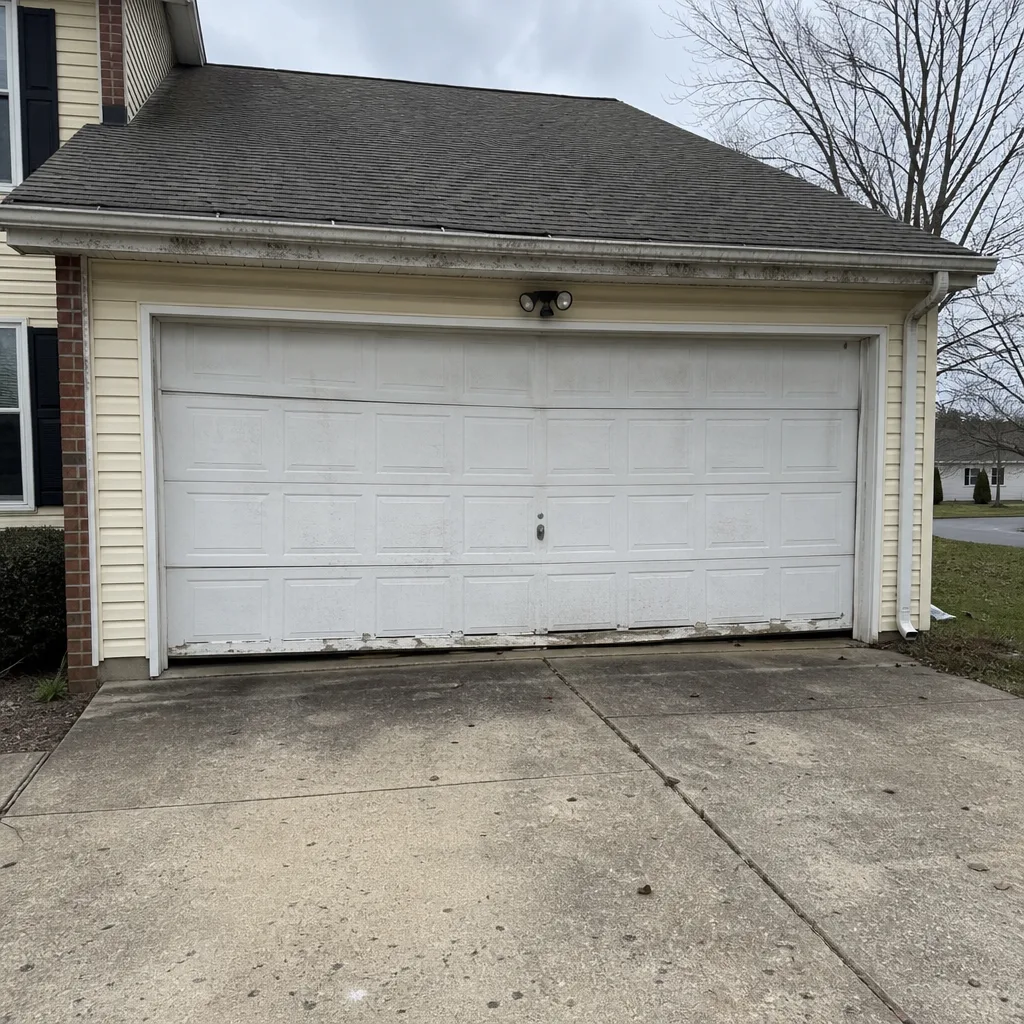 Before
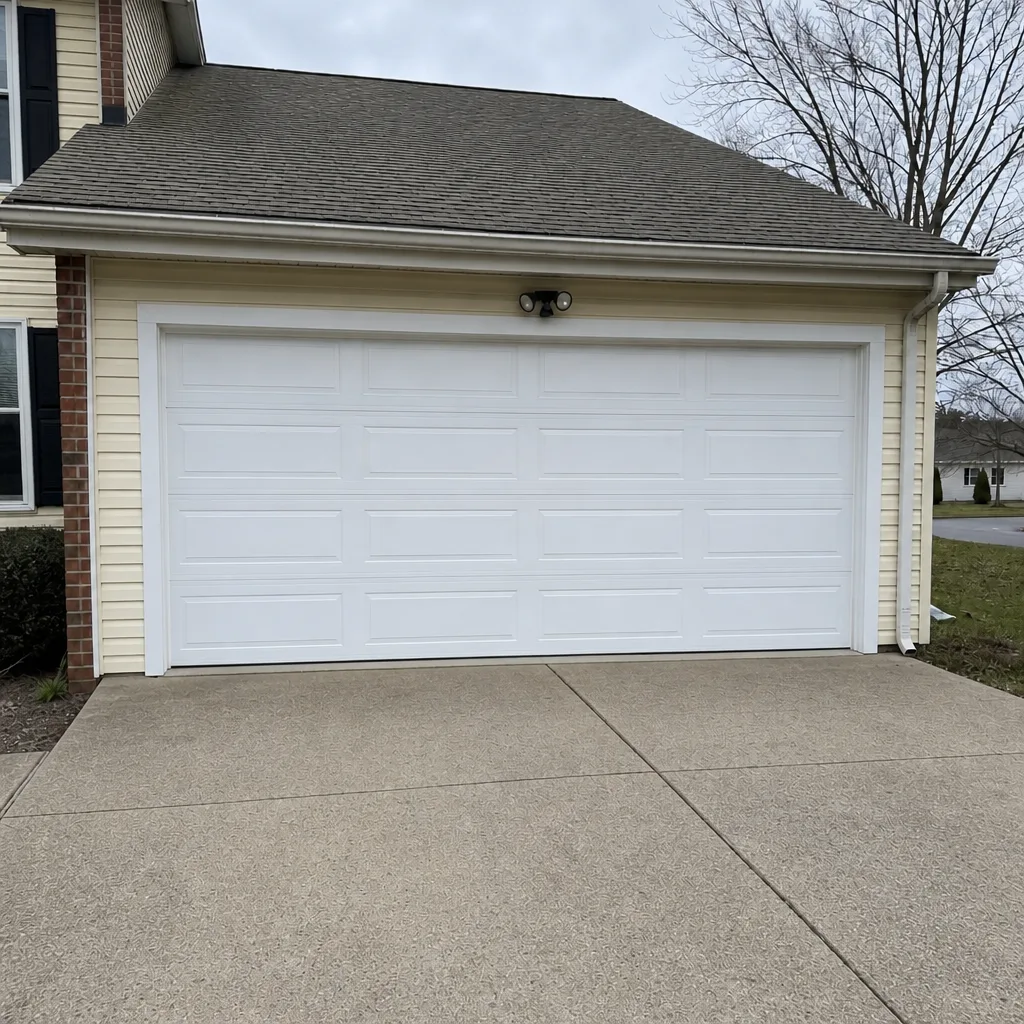 After
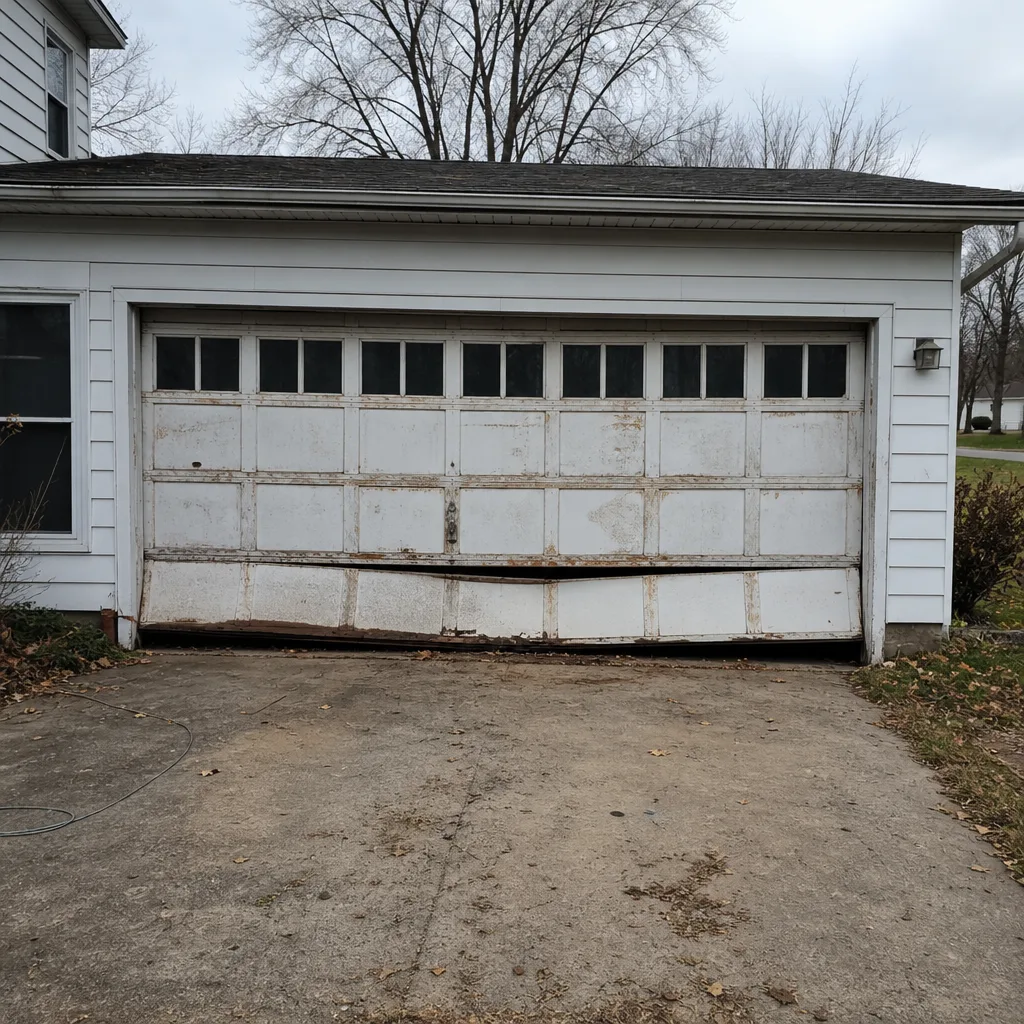 Before
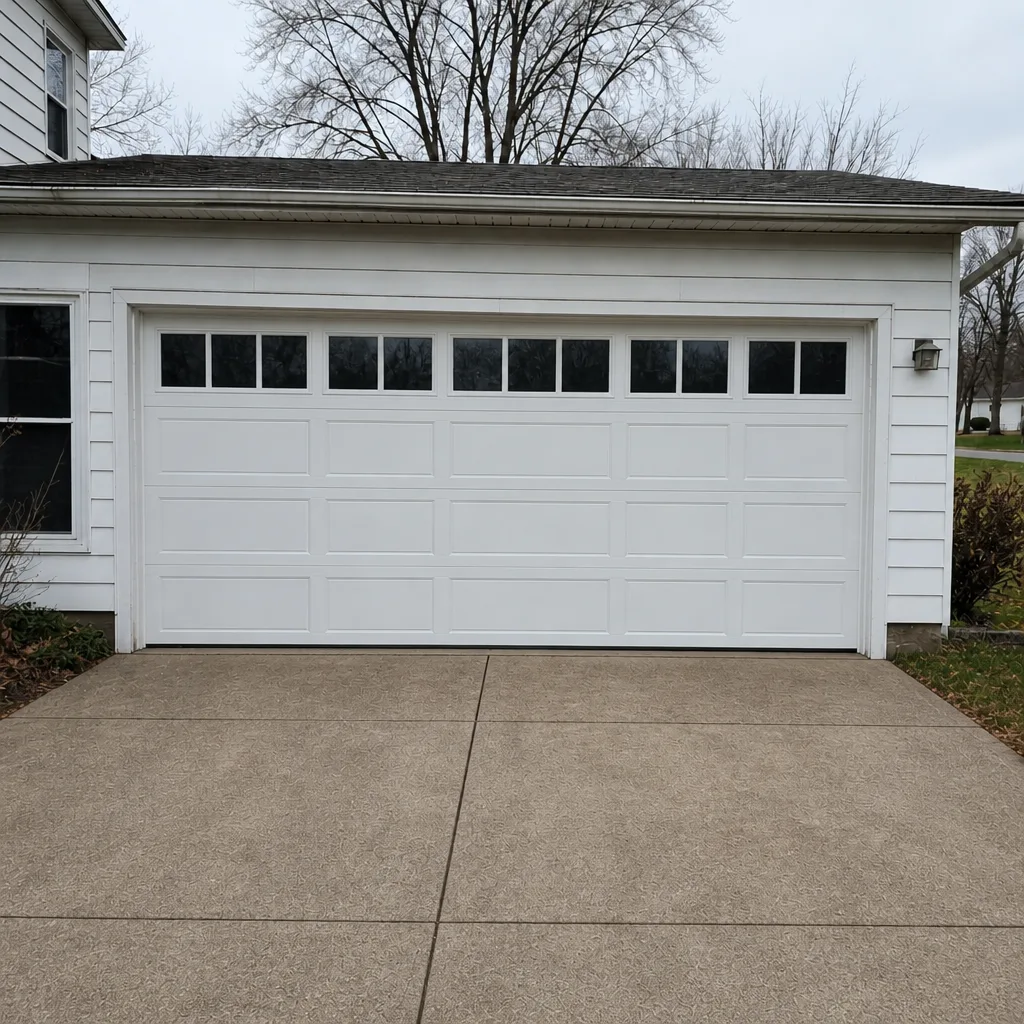 After
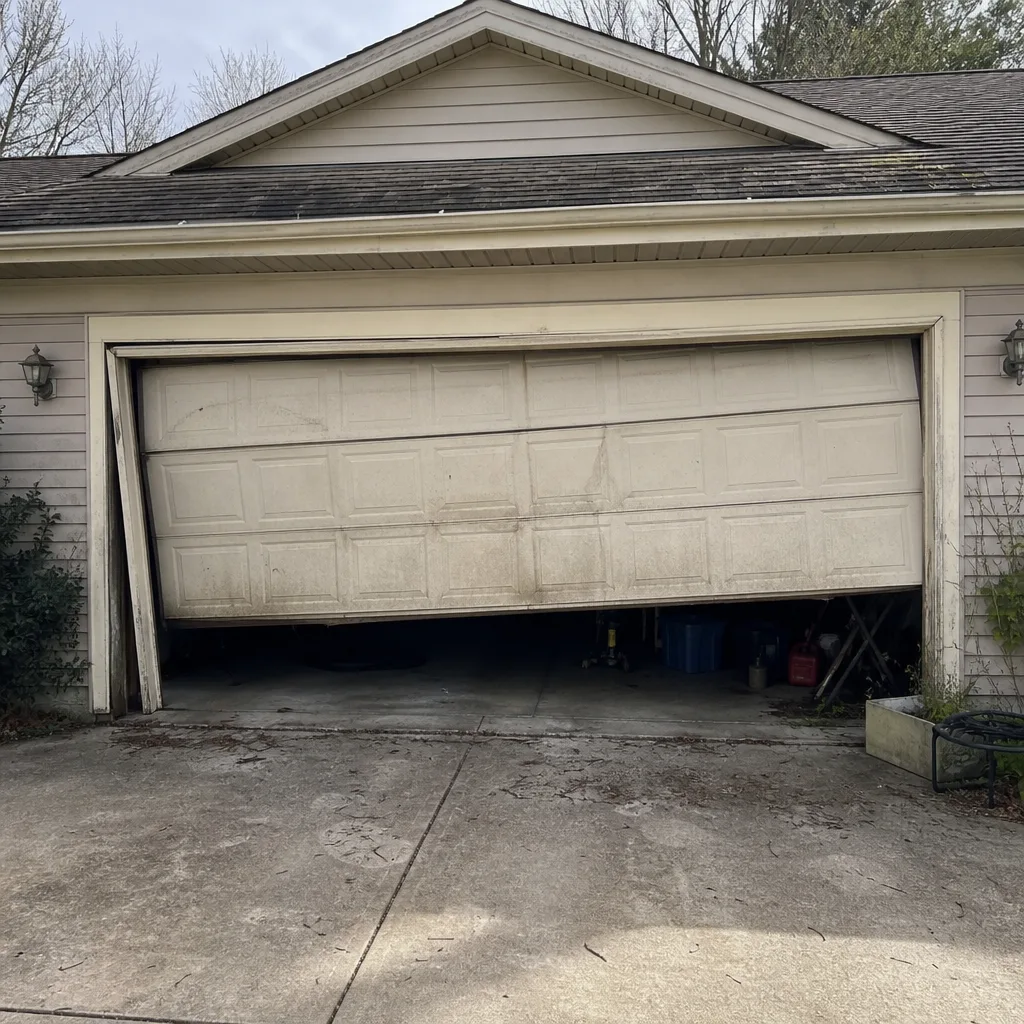 Before
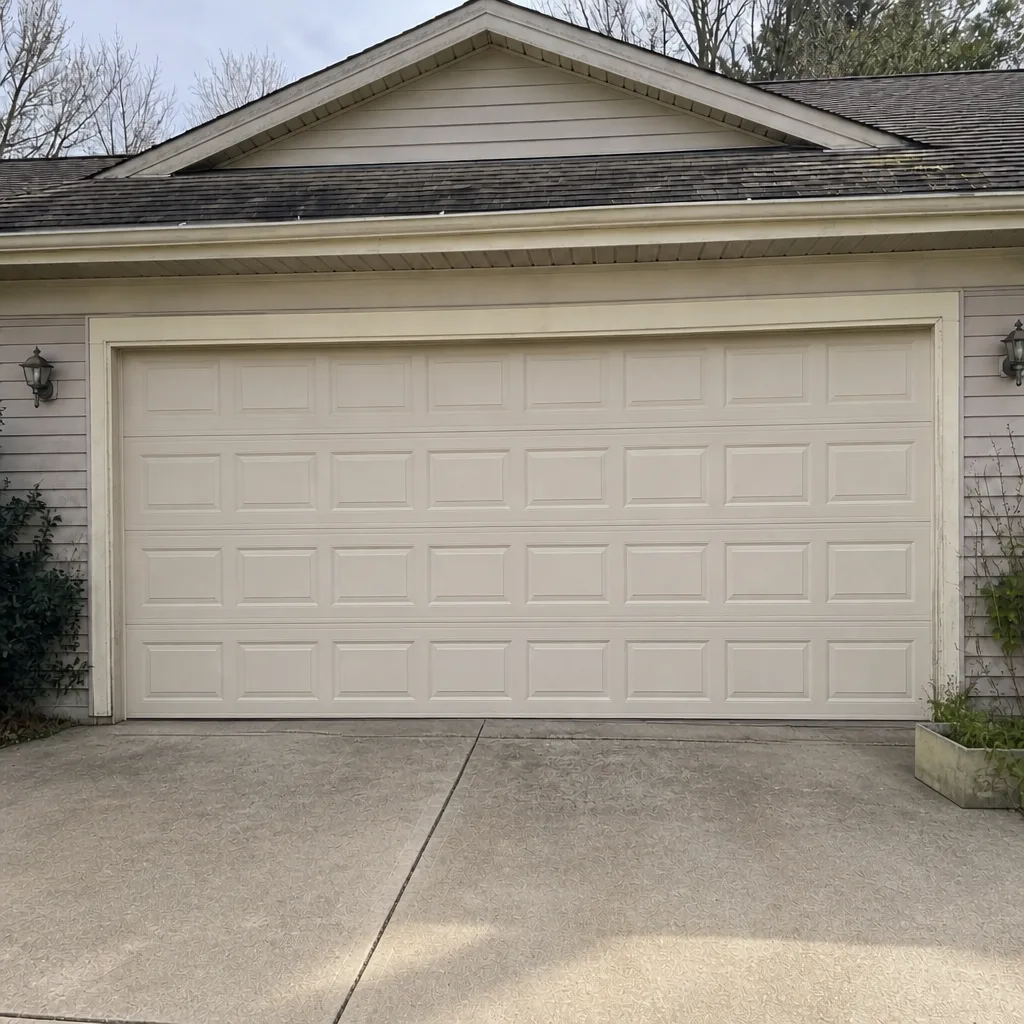 After